
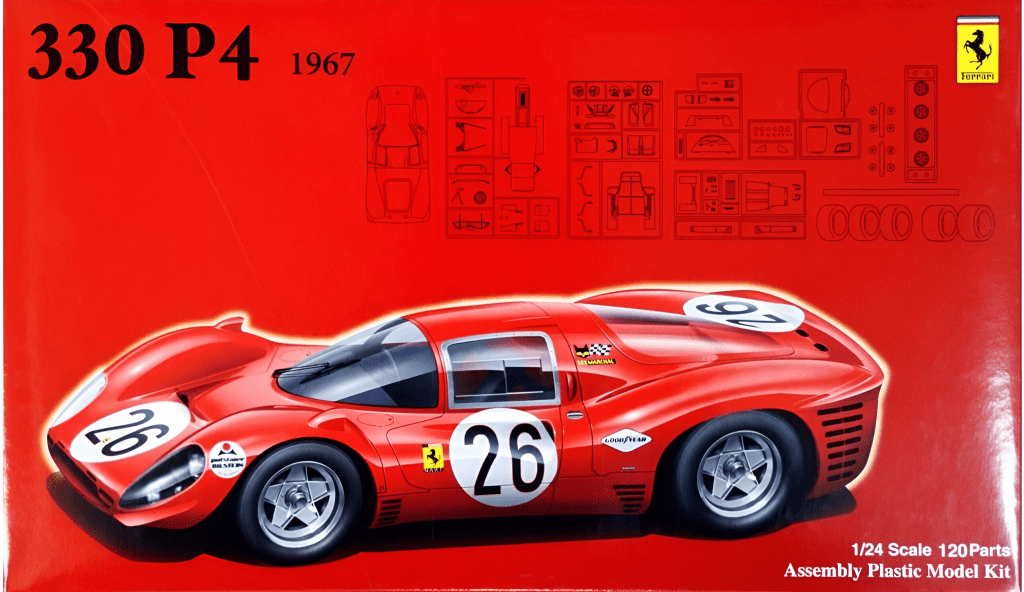
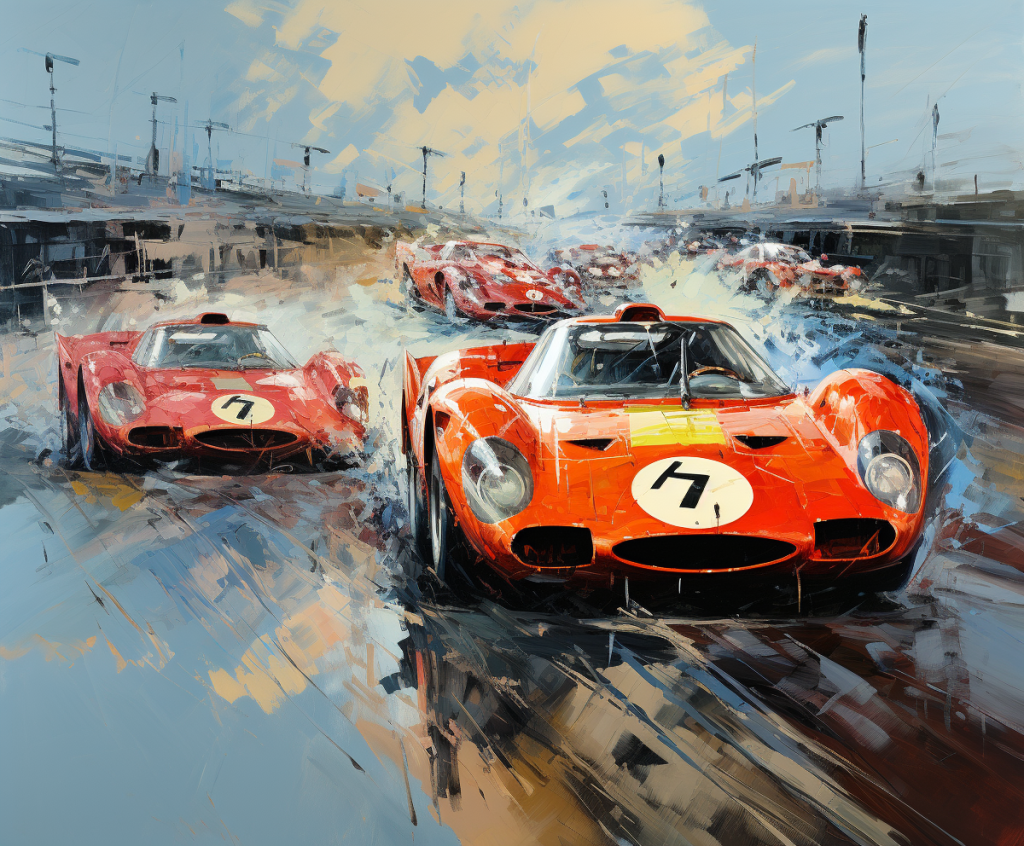
El Ferrari 330 P4, también conocido como P4, fue súper importante en la historia de Ferrari, especialmente por su rivalidad con Ford. Después de que Ferrari perdiera ante Ford en las 24 Horas de Le Mans de 1966, se creó el P4 como respuesta a esa derrota. Este coche fue una versión mejorada del 330 P3, que tenía muchos problemillas como el sobrecalentamiento del motor y cuestiones con la caja de cambios. En cambio, el P4 contaba con un motor más confiable y una nueva transmisión de cinco velocidades, todo desarrollado internamente.

🏁 The Daytona Ferrari revenge 🏁 330 P considerado uno de los prototipos más bellos jamás diseñado.
🏎️ 125S • 1947 🏎️
🏎️ 340 • 1950s 🏎️
• 1960s • 🏎️ 250s & 275s 🏎️
A pesar de no haber logrado eclipsar a los Ford GT40 Mk IV en Le Mans, el desempeño del P4 en Daytona y su contribución a la victoria de Ferrari en el título WSC resaltaron su importancia en la historia de Ferrari. El éxito del P4 no solo fue un testimonio de la habilidad ingenieril de Ferrari, sino también un símbolo de la resiliencia y determinación de la marca frente a la competencia.
• 1970s • 🏎️ Daytona 🏎️
• 1990s • 🏎️ F40 🏎️
• Actual Zeitgeist •
🏎️ Enzo 🏎️ F8 🏎️ LaFerrari 🏎️
En 1967, el P4 hizo su debut oficial en Daytona, donde demostró sus impresionantes habilidades. El P4, junto con otros dos Ferrari, logró un magnífico 1-2-3 en Daytona. Esta victoria representó un momento transcendental en la histórica rivalidad entre Ford y Ferrari, marcando el triunfante regreso de Ferrari después de su previa derrota. El continuo éxito del P4 a lo largo de la temporada contribuyó a la consecución del título de constructores por parte de Ferrari en el Campeonato Mundial de Autos Deportivos (WSC) de ese año.
Un negocio billonario: Hot Wheels • Matchbox • Mattel
La carrera de Daytona de 1967, oficialmente conocida como las 24 Horas de Daytona, marcó un momento significativo en la historia de las carreras de resistencia.

Este fue el año en el que Ferrari, el gigante automovilístico italiano, regresó triunfalmente al círculo de ganadores.
La historia
¿Qué pasó cuando la compañía automovilística más rica de Estados Unidos, que producía muchos miles de coches al año, se enfrentó cara a cara con Ferrari de Italia a mediados de los años 60?
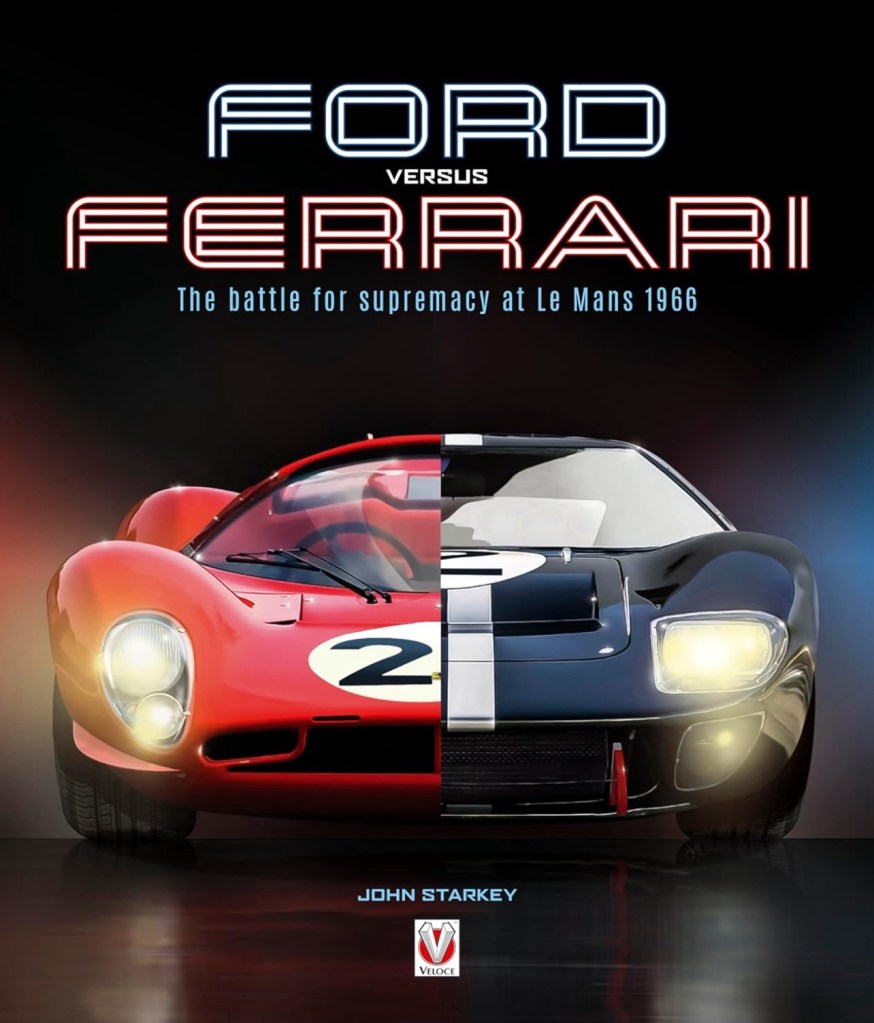
Esta es la historia de una fuerza inamovible que se enfrenta a la terquedad de un objeto inamovible: Ford contra Ferrari.

Enzo Ferrari, cuya empresa producía menos de cuatrocientos coches al año en 1963, no iba a ceder ante Ford después de haber rechazado su oferta de comprar su empresa.
La película

El único lugar que quedaba para competir era en los circuitos de carreras del mundo… y uno en particular: Le Mans ’66.
The 1967 Daytona race was a testament to Ferrari’s resilience and commitment to excellence. It was a reminder that in the world of racing, it’s not always about having the most resources, but about making the most of what you have. This race will forever be remembered as a legendary finish in Ferrari’s history
1967 24 Hours of Daytona
Race Profile – Sports Car Digest.


El telón de fondo

El escenario estaba preparado para una intensa rivalidad entre dos gigantes del automóvil, Ferrari y Ford.

Esta rivalidad nació de la negativa de Ferrari a vender la empresa a Ford en 1963.

Las carreras de resistencia sirvieron de escenario para los numerosos duelos entre estos dos gigantes.
The Backdrop
1967 24 Hours of Daytona
The stage was set for an intense rivalry between two automotive giants, Ferrari and Ford. This rivalry was born out of Ferrari’s refusal to sell the company to Ford in 1963. Endurance races served as the backdrop for the many duels between these two giants.
Race Profile – Sports Car Digest.

La Carrera

En las 24 Horas de Daytona de 1967, Ferrari eligió su nuevo y elegante 330 P4, considerado uno de los prototipos más bellos jamás diseñado.

La estrategia de Ferrari era introducir menos coches pero centrarse en la calidad y la fiabilidad. Esto contrastaba marcadamente con el enfoque de Ford, que consistía en inscribir tantos coches como fuera posible para distribuir sus posibilidades de ganar.

A pesar de las probabilidades, la estrategia de Ferrari dio sus frutos. Tres Ferrari (dos 330 P4 y un 412 P) ocuparon los tres primeros puestos en las 24 Horas de Daytona. El equipo de fábrica de Ferrari ganó la carrera, superando a los equipos Ford GT40.

The Race
1967 4-5 February:
In the 1967 24 Hours of Daytona, Ferrari chose its new, sleek 330 P4, considered one of the most beautiful prototypes ever designed. Ferrari’s strategy was to enter fewer cars but focus on quality and reliability. This was in stark contrast to Ford’s approach, which was to enter as many cars as possible to spread out their winning chances.
Three Ferraris – two 330 P4s and a 412 P take the first three places in the 24 Hours of Daytona

Las secuelas
La victoria de Ferrari por 1-2-3 fue una derrota aplastante para los Ford americanos, campeones del mundo, en la primera de ocho carreras del campeonato de 1967.

Durante las entrevistas posteriores a la carrera, todos tenían una opinión sobre por qué el tan publicitado equipo Ford no logró ganar.

El ganador de la carrera, Chris Amon, consideró que los Ford eran “demasiado pesados”. Esta victoria no se trataba sólo de ganar una carrera; se trataba de restaurar el honor y el orgullo.

Se trataba de demostrar que un pequeño fabricante como Ferrari todavía podía competir y ganarle a un gigante como Ford.
The Aftermath
1967 Ford and Ferrari face off at Daytona and Le Mans
The Ferrari 1-2-3 victory was a crushing defeat to the world-champion American Fords in the first of eight races in the 1967 Championship series. During the post-race interviews, everyone had an opinion as to why the much ballyhooed Ford team failed to win. Race winner Chris Amon felt that the Fords were “too heavy”.

Los conductores
El equipo Ferrari contó con algunos pilotos excepcionales para la carrera de Daytona de 1967. Éstos son algunos de ellos:
🏁 1. #23 Ferrari 330 P3/4 #0846 conducido por Lorenzo Bandini y Chris Amon. 🏎️

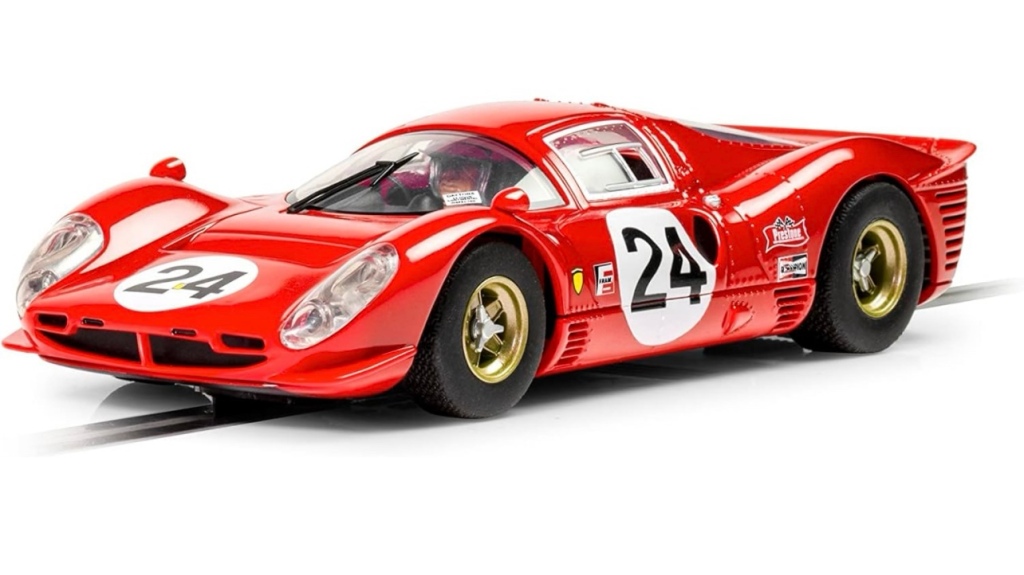
2. Ferrari 330 P4 #0856 #24 conducido por Mike Parkes y Ludovico Scariotti.
🏎️ 3. Ferrari 412 P #0844 #26 conducido por Pedro Rodríguez y Jean Guichet.


The Ferrari team had some exceptional drivers for the 1967 Daytona race. Here are some of them: 🏁 1. Lorenzo Bandini and Chris Amondrove a Ferrari 330P4 🏎️ 2. Mike Parkes and Ludovico Scarfiotti also drove a Ferrari 330P4. 🏎️ 3. Pedro Rodriguez and Jean Guichet drove a Ferrari 330P3.
Conclusión
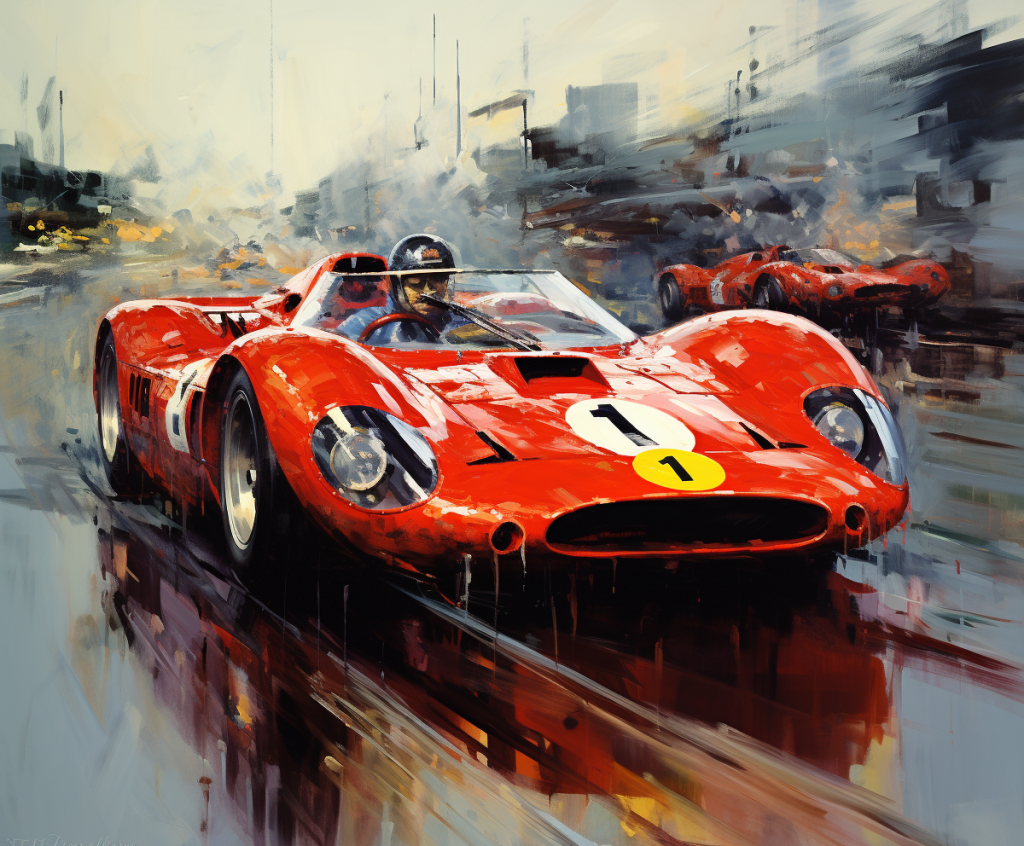
La carrera de Daytona de 1967 fue un testimonio de la resiliencia y el compromiso de Ferrari con la excelencia.

Fue un recordatorio de que en el mundo de las carreras no siempre se trata de tener la mayor cantidad de recursos, sino de aprovechar al máximo lo que tienes. Esta carrera será recordada para siempre como un final legendario en la historia de Ferrari.

Conclusion
In 1967 Ferrari came back stronger
The 1967 Daytona race was a testament to Ferrari’s resilience and commitment to excellence. It was a reminder that in the world of racing, it’s not always about having the most resources, but about making the most of what you have. This race will forever be remembered as a legendary finish in Ferrari’s history.
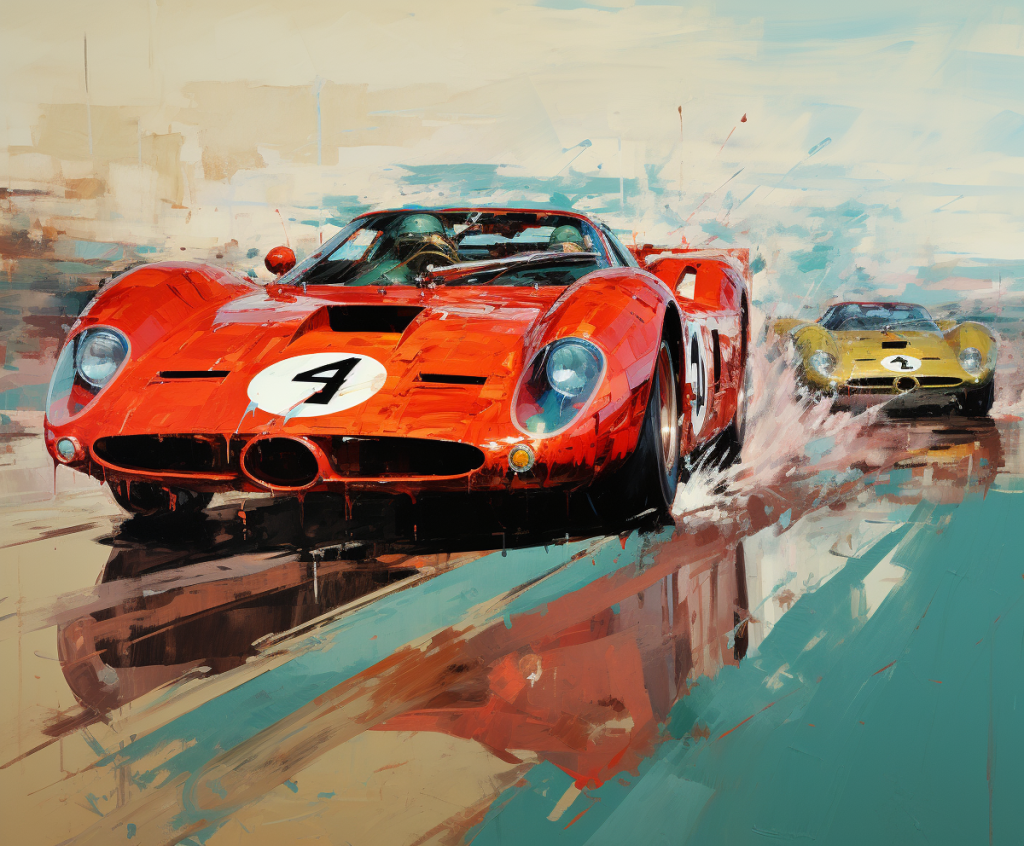
Ferrari: 75 Years provides an inspiring and illuminating look back at this history.
Celebrate 75 years of Ferrari with this complete, fascinating, and stunningly illustrated history highlighting the company’s legendary sports cars and their worldwide influence.

A stellar combination of beauty, engineering, racing success, exclusivity, and Italian flair combine to make Ferrari the world’s most legendary carmaker.

All these traits coalesce in the form of Ferrari’s road cars. No other sports car manufacturer has so consistently set the bar for style and performance. It’s a near unbroken 75-year run of automotive hits:

- The 125S in 1947
- The versatile 340 in the 1950s
- The stunning 250s and 275s of the 1960s
- The Daytona in the 1970s
- The shocking F40 in the 1990s
- The modern era’s outrageous hypercars like the Enzo, F8, and LaFerrari
Ferrari: 75 Years dives deep into Ferrari’s sports car history beginning in 1947, but also examines Enzo Ferrari’s early career with Alfa-Romeo before he launched his legendary company.
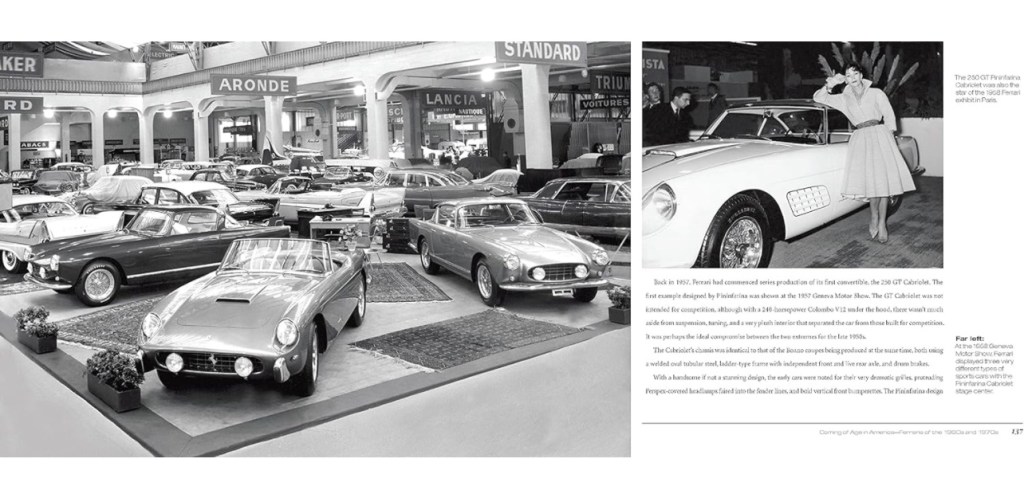
Automotive historian and photographer Dennis Adler offers Ferrari owners and fans a full and fascinating picture of Maranello’s 75 years of sports car manufacturing. Adler’s detailed text is accompanied by his breathtaking photography and supplemented by important historic images.
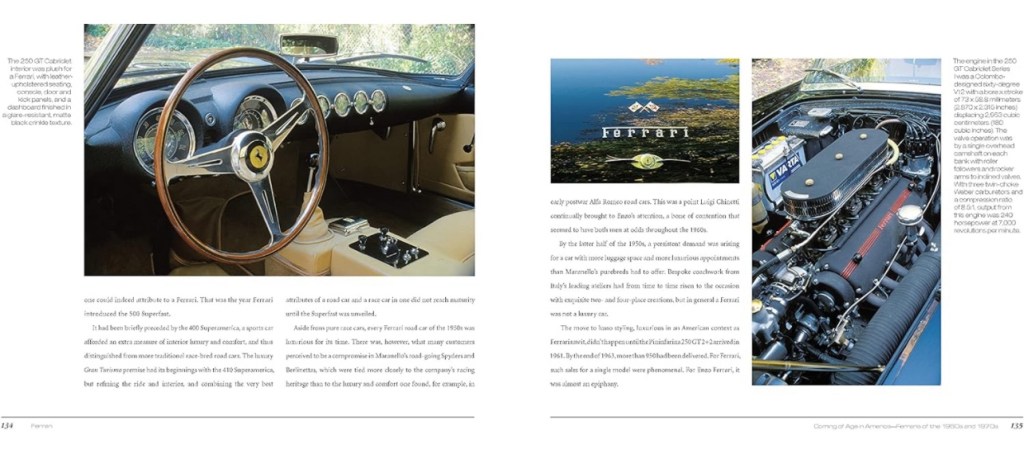
For 75 years, Ferrari has created high-performance automotive works of art to fire the imaginations of car lovers and performance enthusiasts the world over.
Fuentes de Colección
- 1962 Ferrari 250 GTO 1:24 Scale Diecast Model
- Ferrari 250 GTO Kyosho 08431R 1:18 Scale
- Ferrari 250 GTO RCESSD 1:24 Scale
- Ferrari 250 GTO Fujimi 1:24 Scale RS-35
- Ferrari 250 GTO LeStat 1:18 Scale
- Ferrari 250 GTO INSTR 1:24 Scale
- Ferrari 250 Mattel Hot Wheels 1998 1:64 Scale
- Ferrari 250 LM Mattel Hot Wheels 2007 1:64
- Ferrari 250 GTO, LUgez 1:24 Scale
- Ferrari 250 GTO JCAKES 1:24 Scale
- Ferrari 250 GTO NALora 1:24 Scale
- Ferrari 250 GTO HoLiv 1:24 Scale
- Ferrari 250 GTO Hot Wheels 1:64 Scale Collector #117
- Ferrari 250 GTO Hot Wheel 1:64 Scale Collector #866
- Ferrari 250 GTO Hot Wheels 1:64 Scale 2009

#ferrari #ford # nevergiveup #cinema #cars #collections #stories #daytona #history #historydrivesthefuture #lemans #innovation #marketing #advertising #resilience #excellence #racing


 SIGNAL GROUP
Leave a reply to Explorando el Mundo de las Colecciones a Escala: El Fascinante Universo del Ford GT – Signal Group VideoWorld Studios Cancel reply