
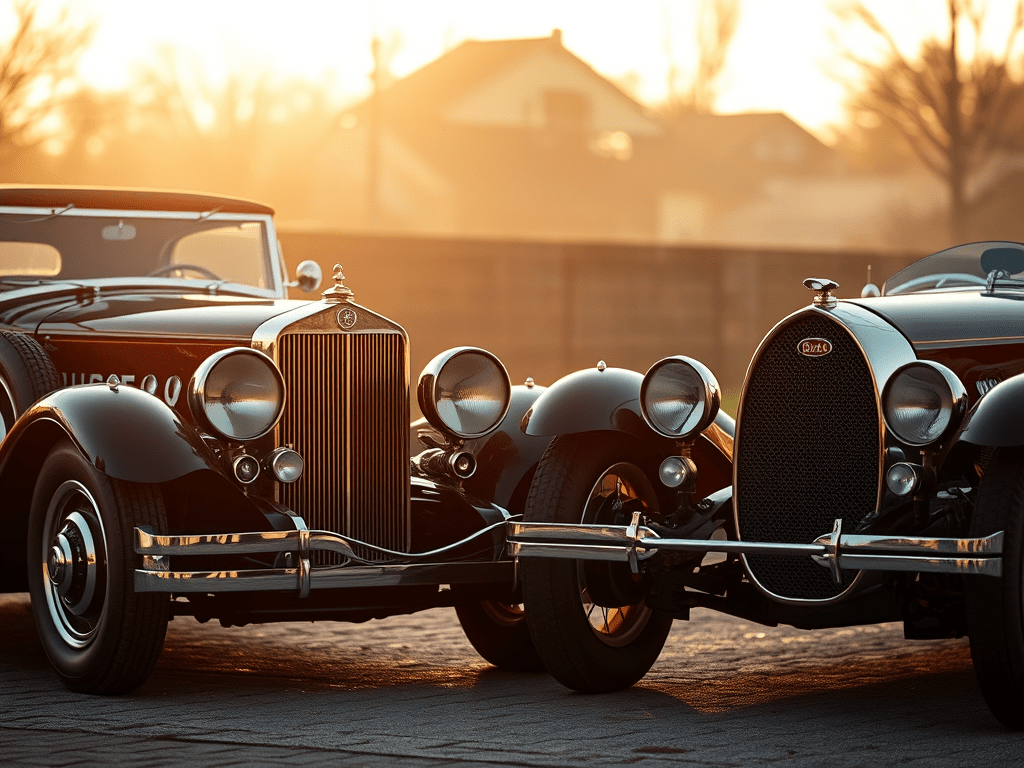
“Luxury is the first casualty of a depression”
Virginia Woolf
Ing. José María Noriega C.A.S
CEO Signal Group
The Roaring Twenties and the Great Depression transformed the automotive industry.

Duesenberg represented American luxury. Bugatti embodied European elegance. These changes emphasized brand identity and cultural change.
Navigating Turbulent Times: The Fabulous Twenties and the Great Depression of the 1930s
The 1920s and 1930s were a remarkable time of innovation and craftsmanship in the automotive world.

This period reflected the passion and dedication that drove progress across the Atlantic.
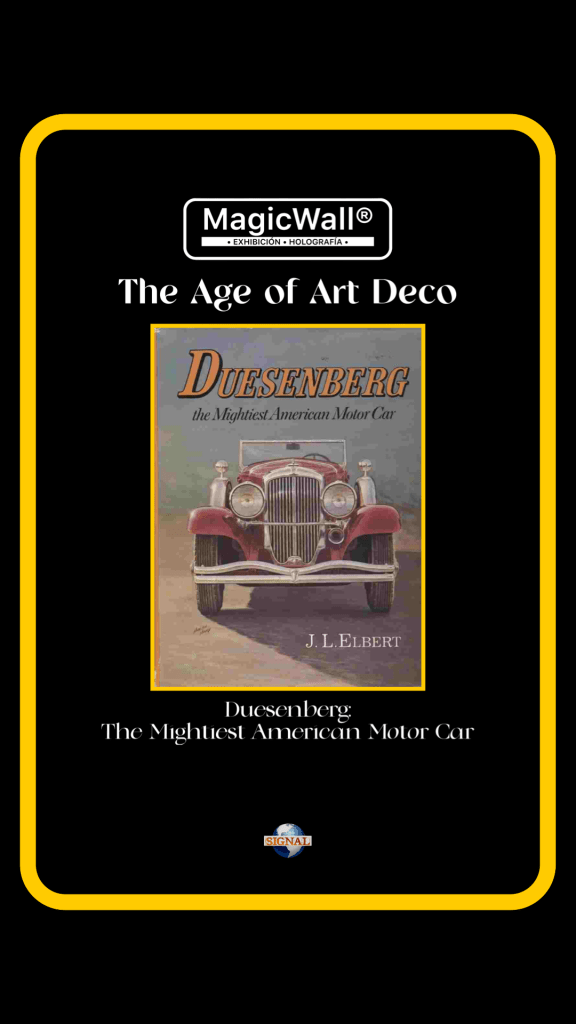
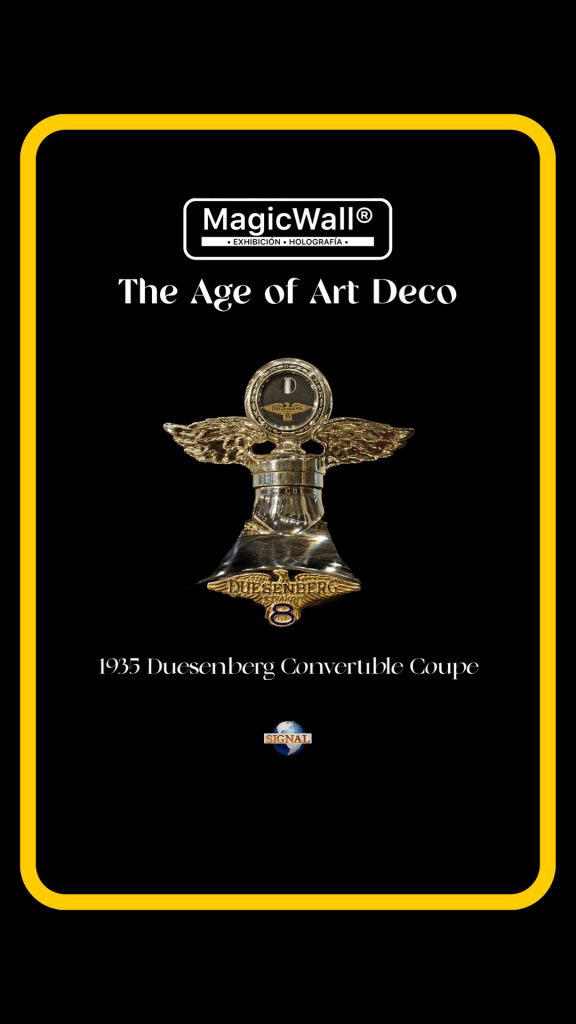
In the United States, the name Duesenberg became emblematic of luxury, exceptional engineering excellence, and unmatched prestige.
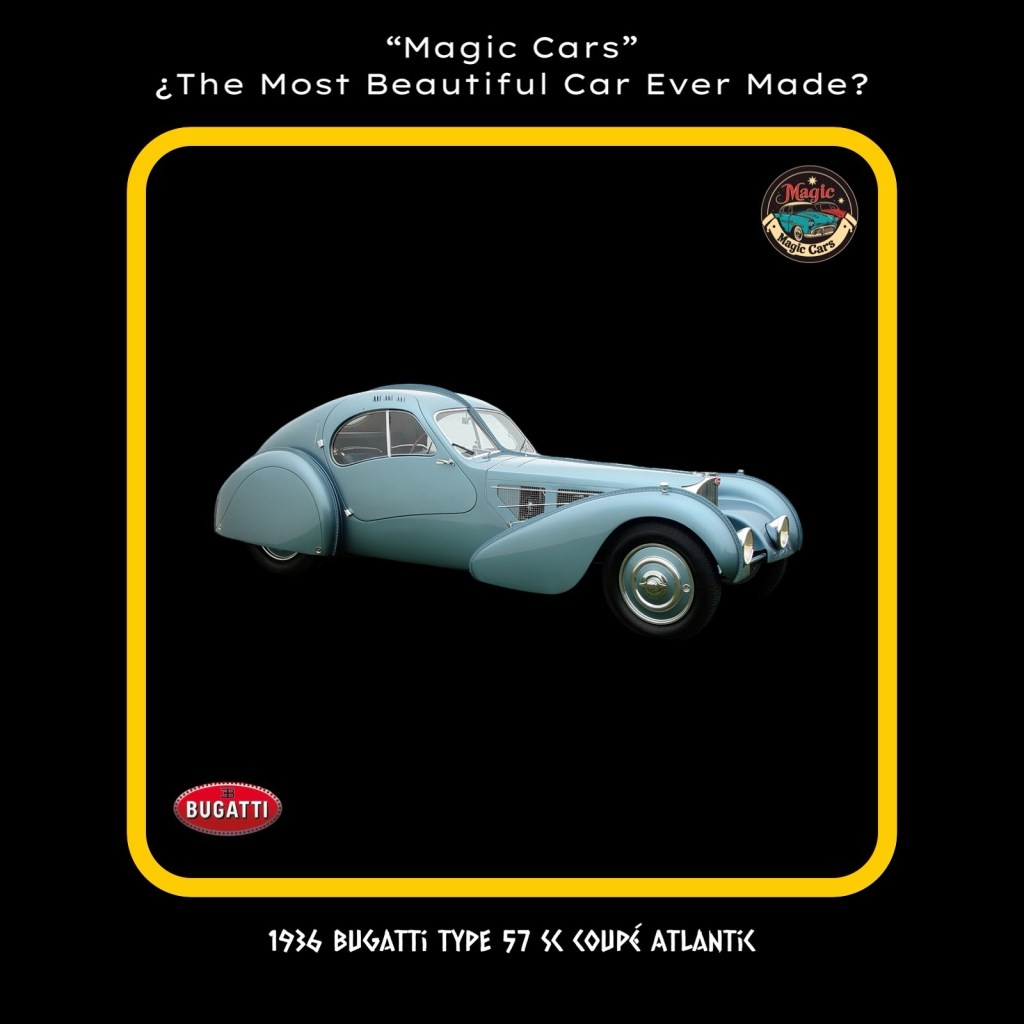
During this period, Bugatti, led by Ettore Bugatti, emerged as a significant counterpart in Europe.
They introduced groundbreaking innovations that greatly affected both performance and luxury in the automotive industry.

These innovations established both Bugatti and Duesenberg as technological pioneers.

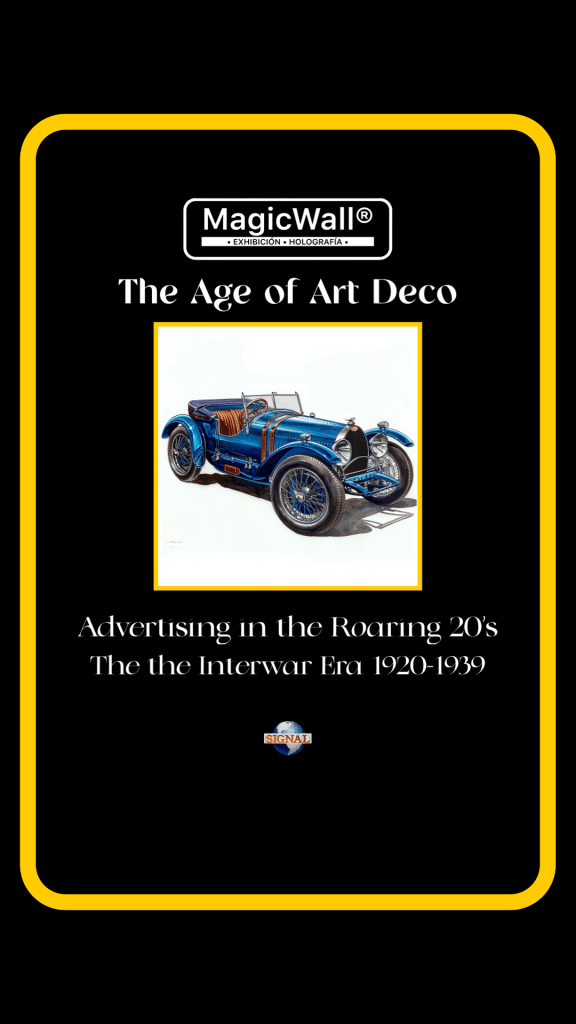
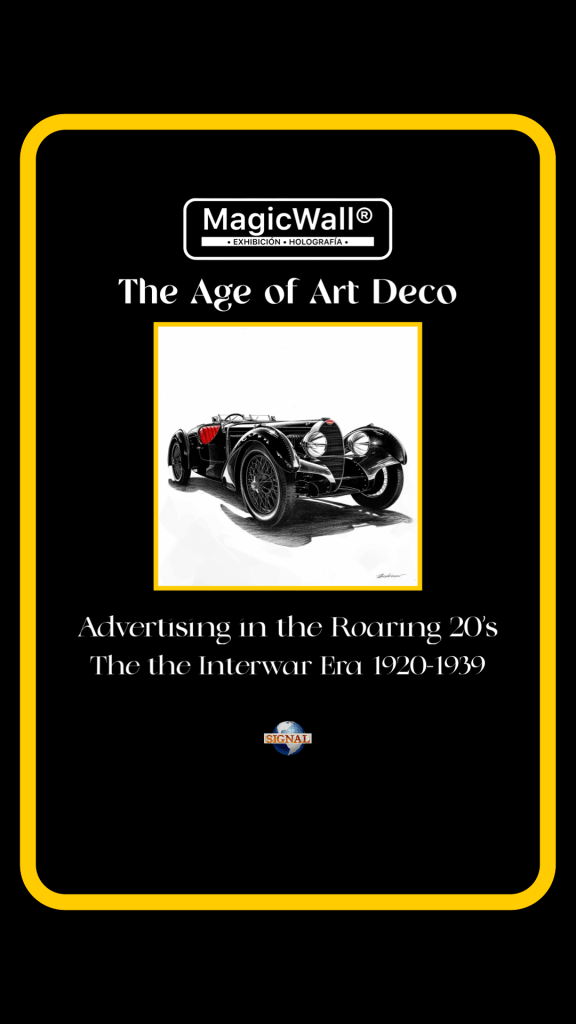
- Bugatti: Known for its lightweight engineering and precision, pioneering aluminum alloy wheels with the Type 35 for improved racing performance. The Bugatti Royale (Type 41) merged luxury with a powerful 12.7-liter straight-eight engine.
- Duesenberg: Duesenberg was known for its engineering innovations, introducing four-wheel hydraulic brakes and an overhead camshaft straight-eight engine. The Duesenberg Model J offered luxury and power. It had up to 320 hp. The car showcased remarkable style. It advanced automotive engineering in the 1920s and ’30s.
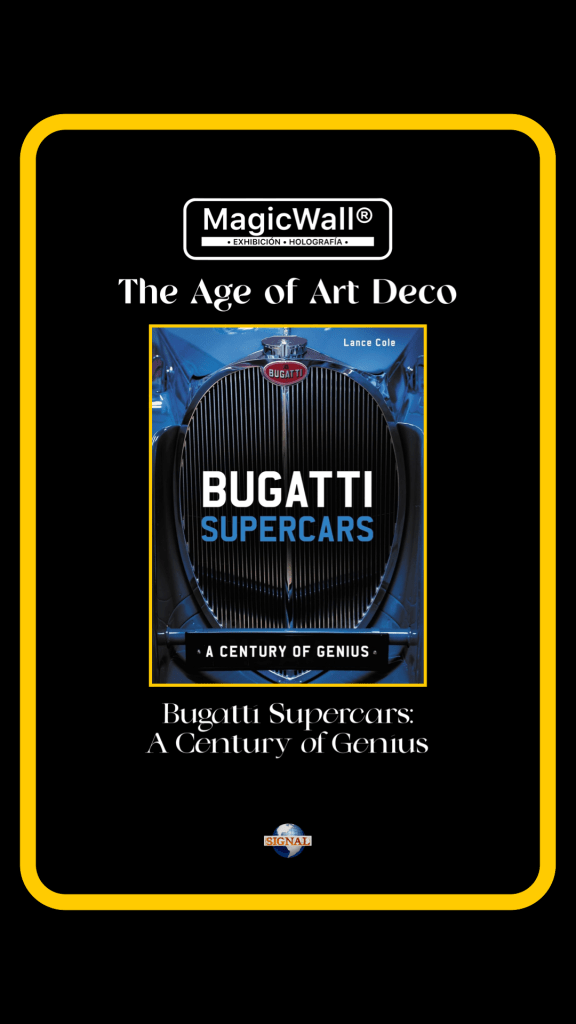
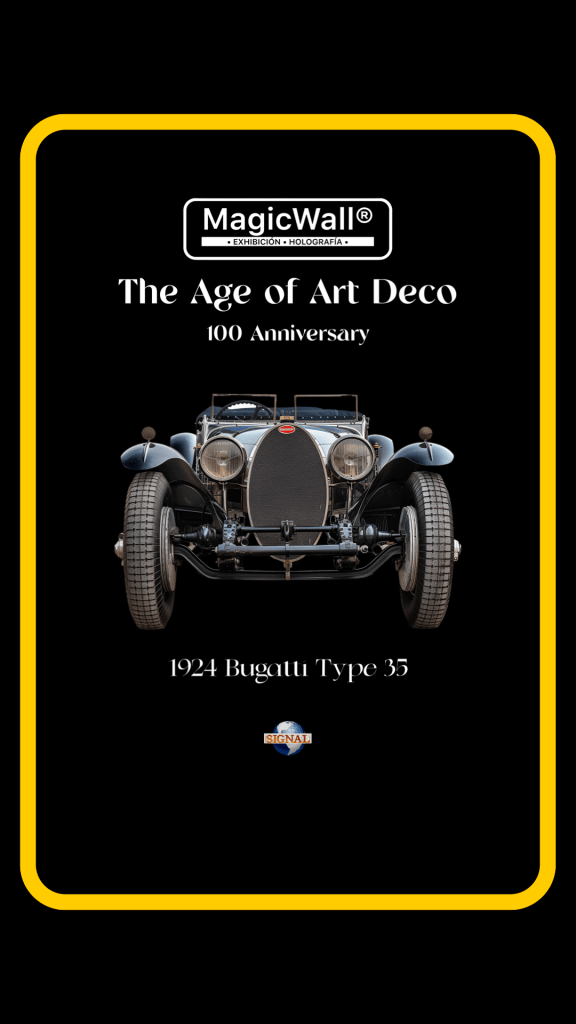
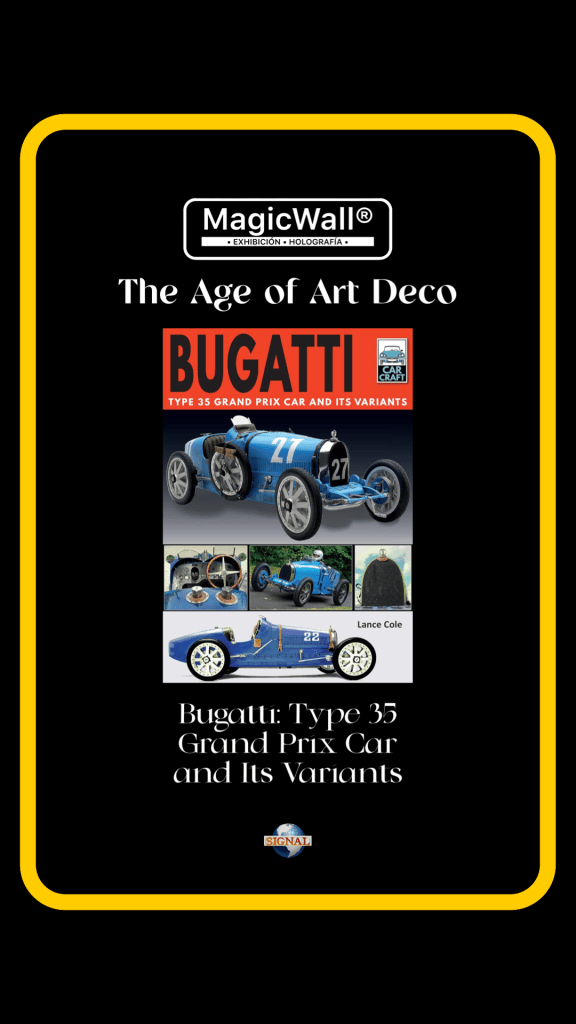
Since its stunning design was revealed at the Lyon Grand Prix more than 100 years ago. The Type 35 was destined to transform ideas about performance.
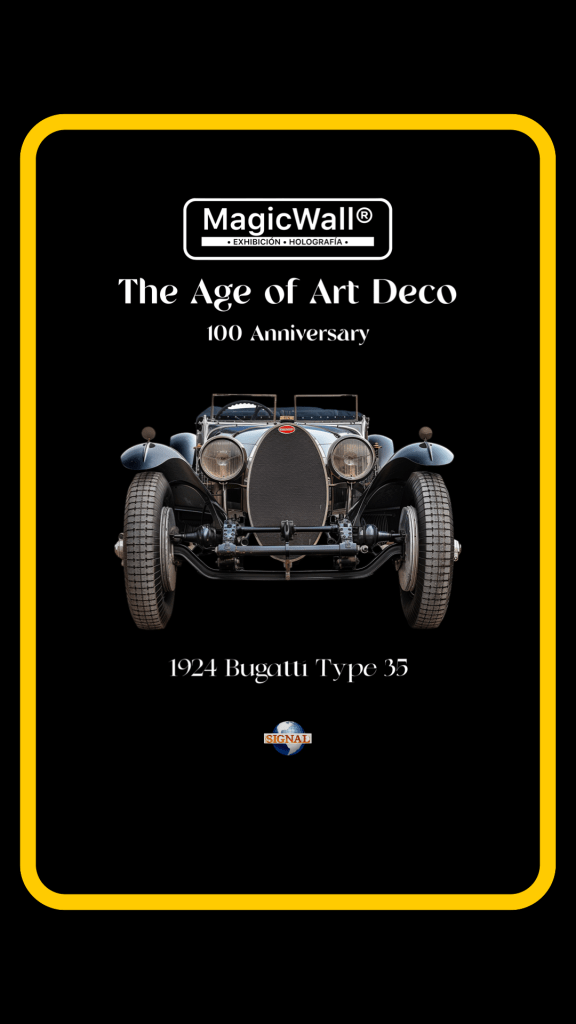
Both brands drew wealthy clients with their unique designs and high-quality craftsmanship, appealing to those seeking luxury and exclusivity.
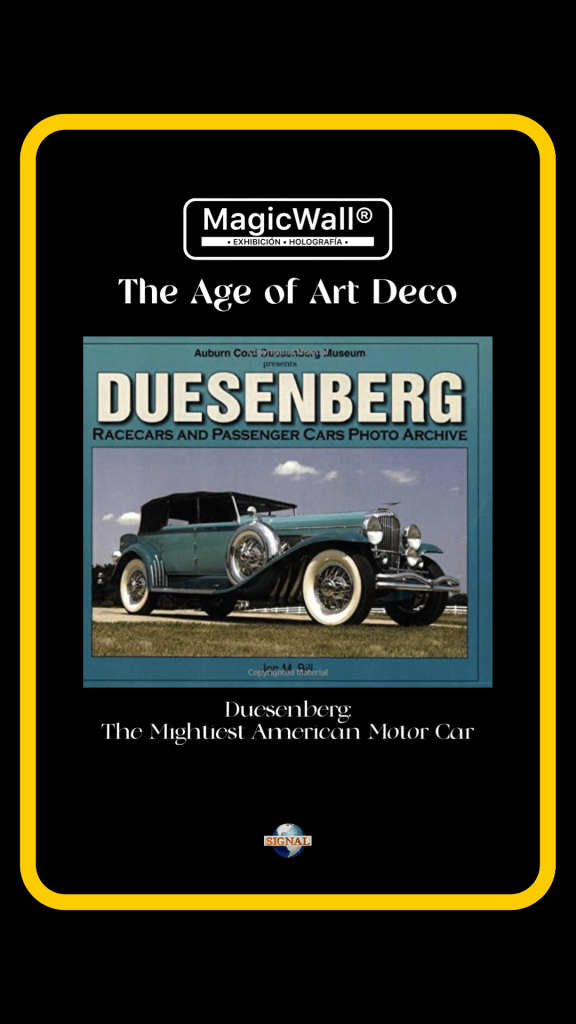
Their differing geographic and cultural contexts offer insights into their design, engineering, manufacturing, and marketing philosophies. This sheds light on the socioeconomic and cultural conditions of that era.
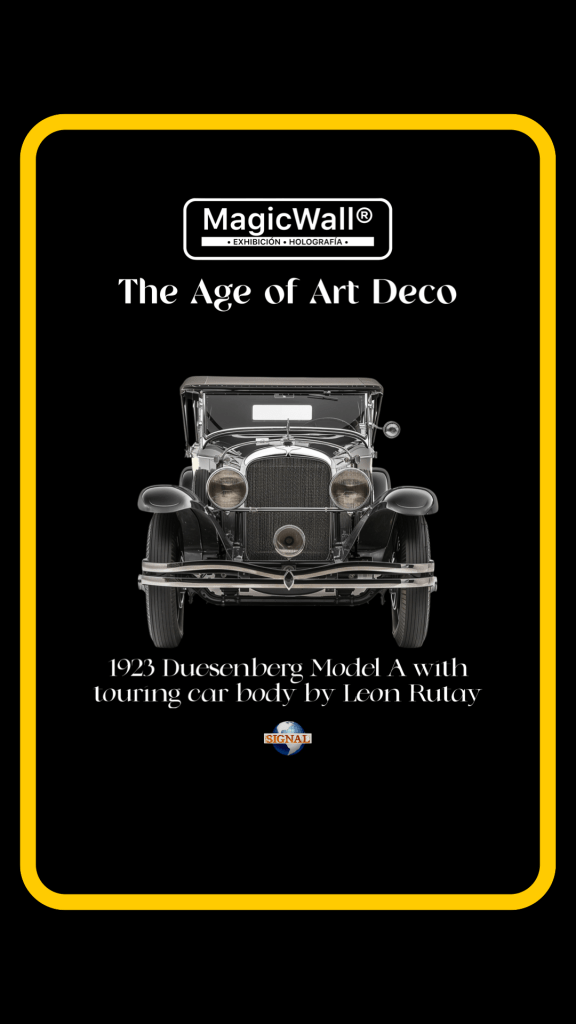
“Nothing is too beautiful, nothing is too expensive.”
Ettore Bugatti
Design: The Pinnacle of Elegance and Performance
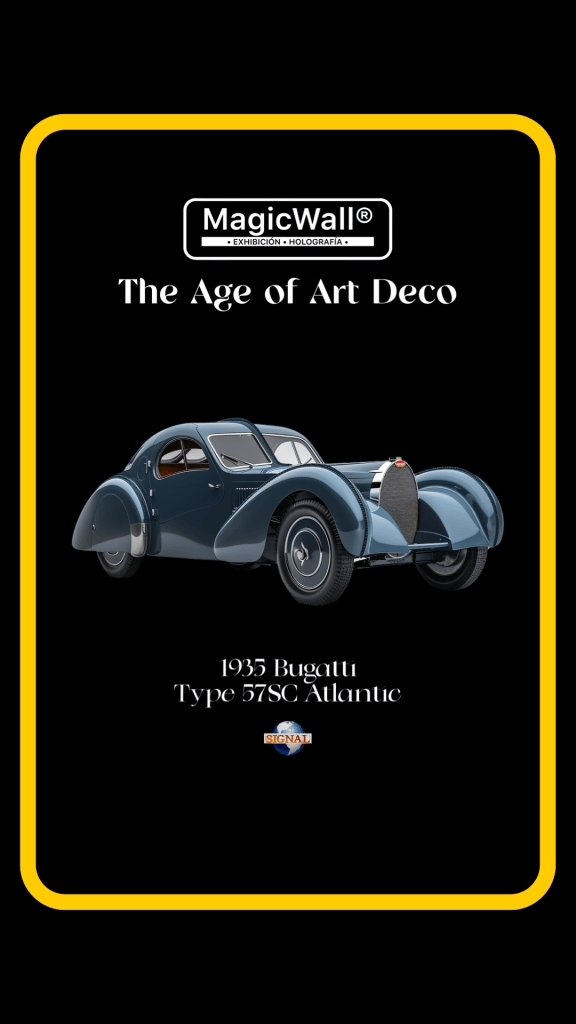
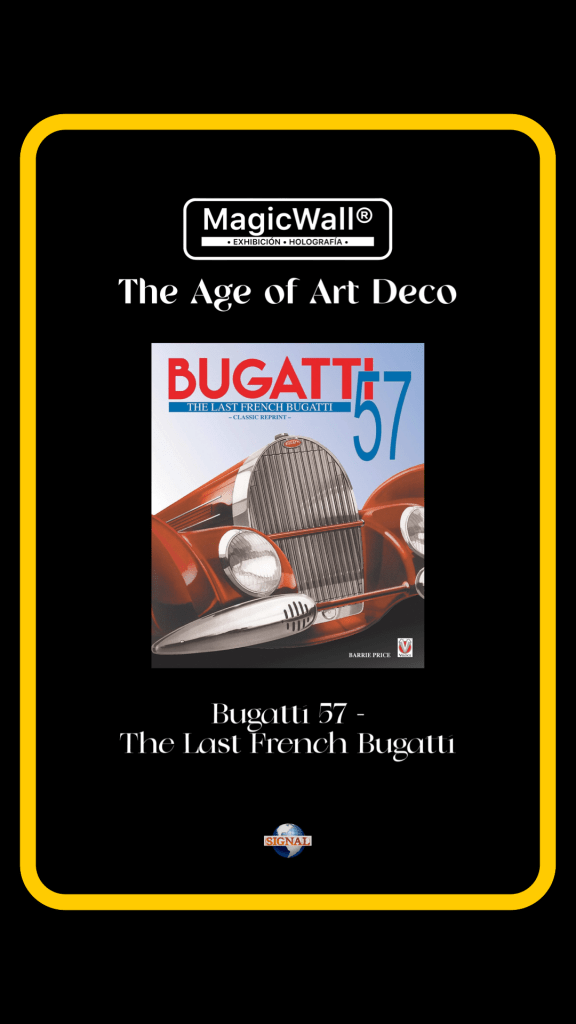
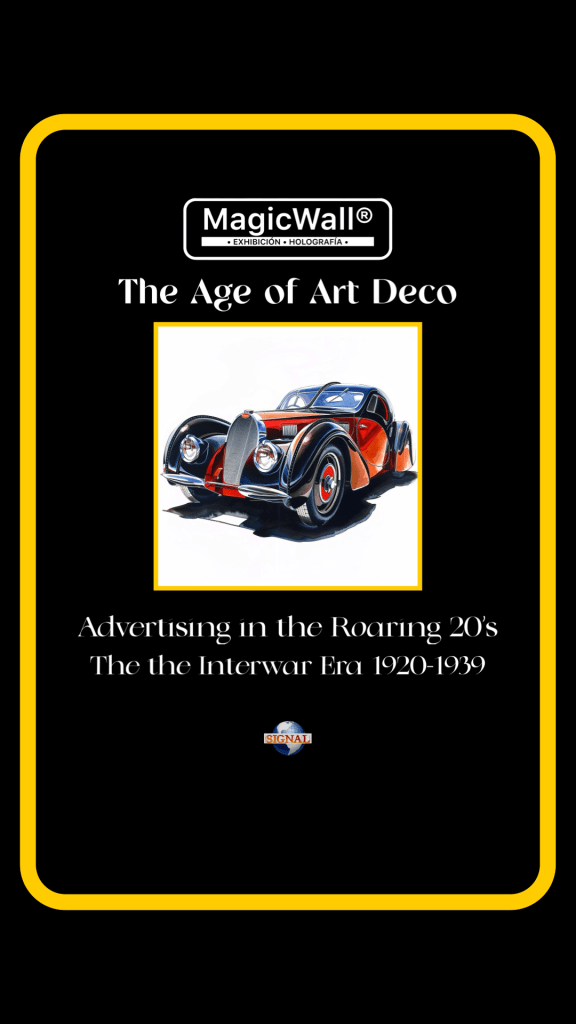
The $40 million Bugatti Type 57 SC Atlantic that won the Peninsula Classics Best of the Best Award has always been regarded as one of the most valuable cars in the world, “The Atlantic represents the pinnacle of everything I adore about French automotive styling and is widely described as the Mona Lisa of the automobile collector world,” From its signature curves to its aviation-inspired rivets, to the Jean Bugatti designed sleek all-aluminum body, the car is truly a remarkable piece of art. There is no question that the three surviving Bugatti Atlantic examples (chassis 57374, 57473, and 57591) would transact for individual sums in excess of $40 million.
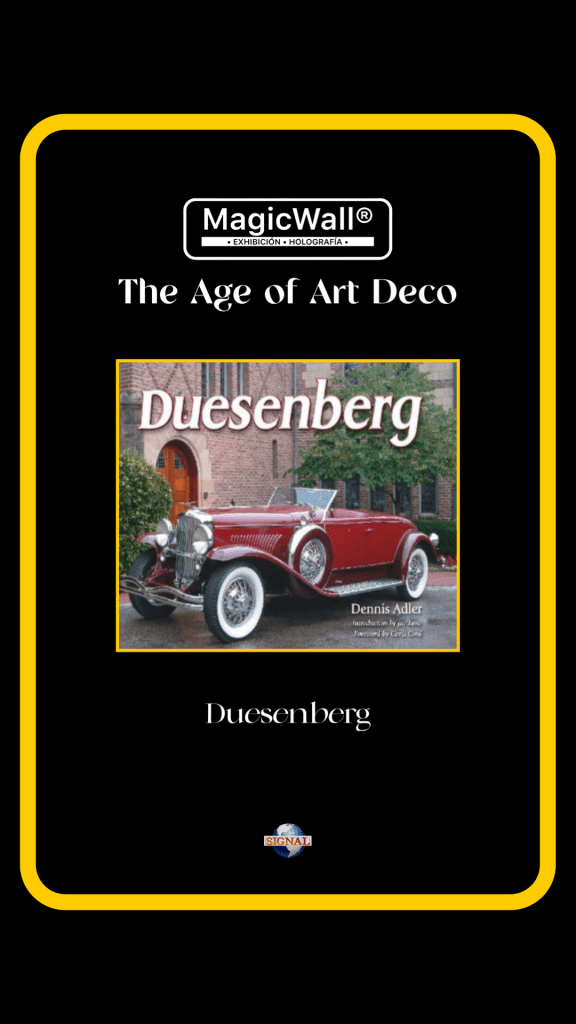
Duesenberg and Bugatti approached automotive design with divergent philosophies reflective of their environments. Duesenberg models epitomized American opulence, marked by their large size and flamboyant design.
“It’s a Duesy!”
This phrase emerged in the 1930s to describe something extraordinary, inspired by the Duesenberg’s unmatched quality and performance.
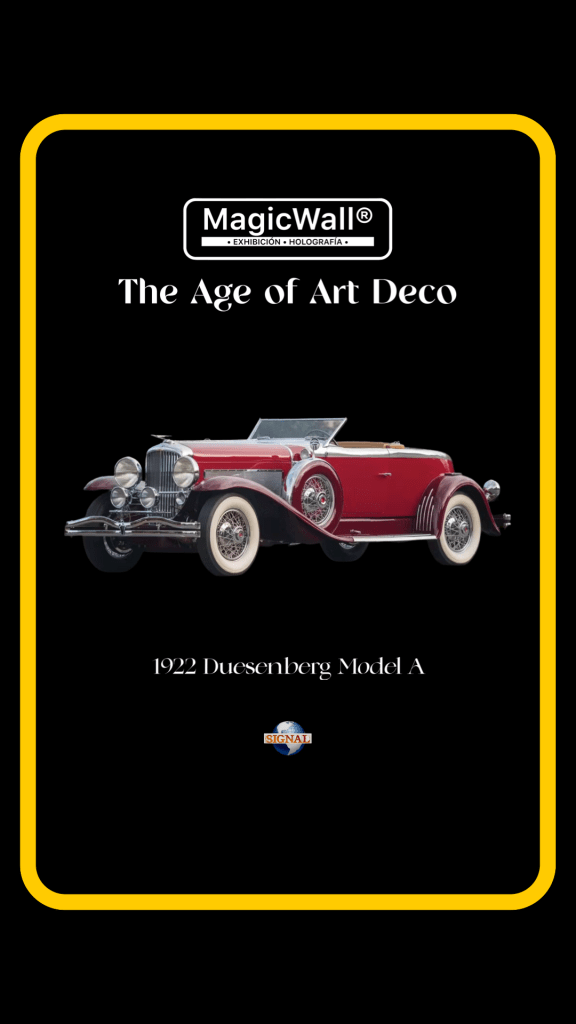
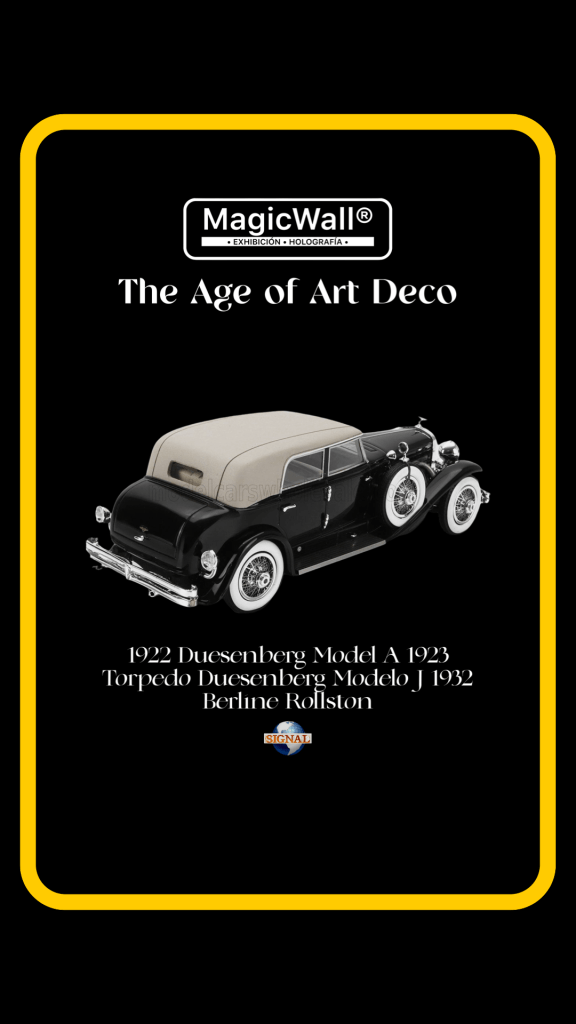
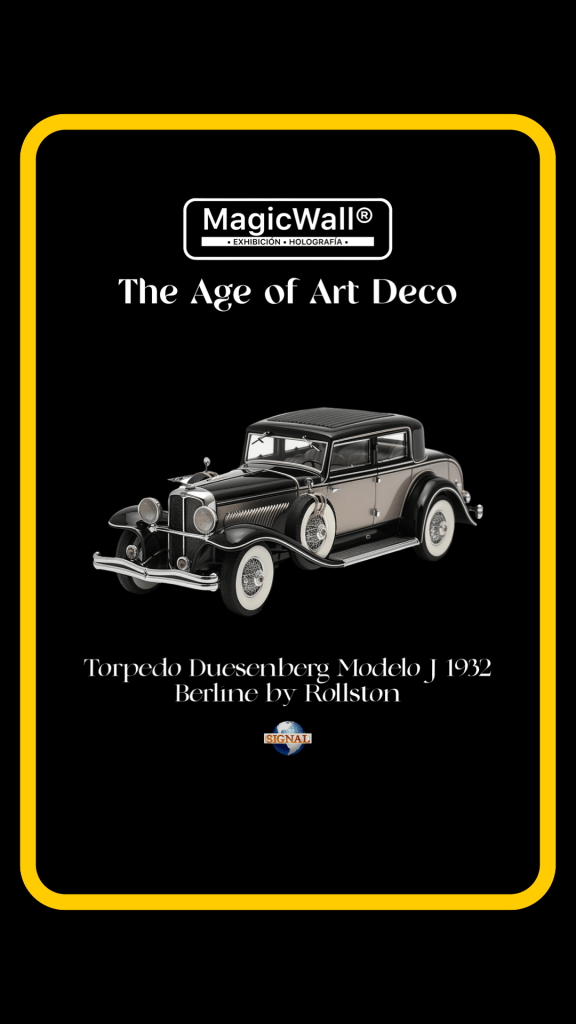
The Duesenberg Model J was famous for its long bonnet, formidable presence and careful craftsmanship.
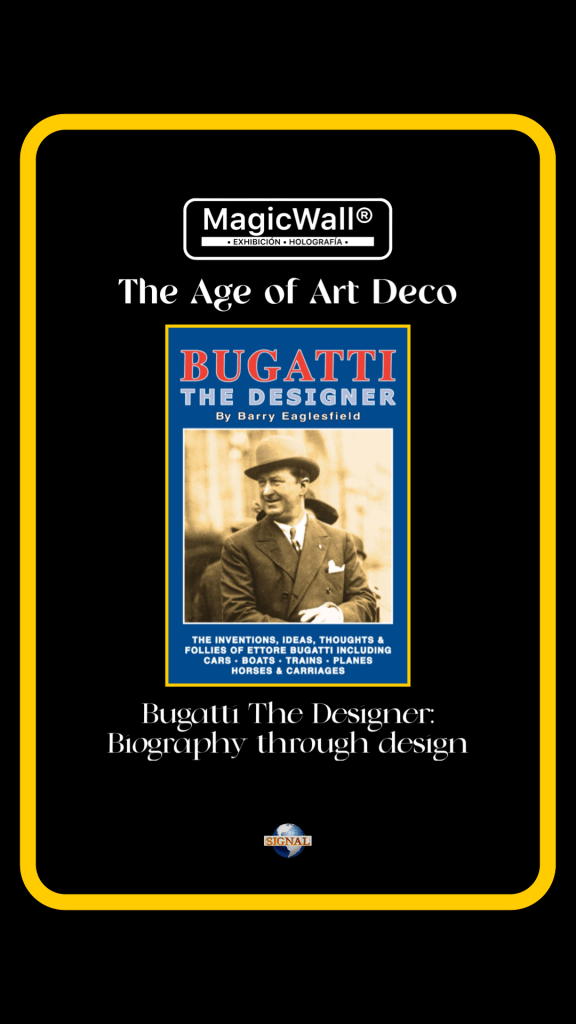
The vehicle’s large size and weight gave it an imposing presence. It was similar to the great skyscrapers on the American skyline of that time.
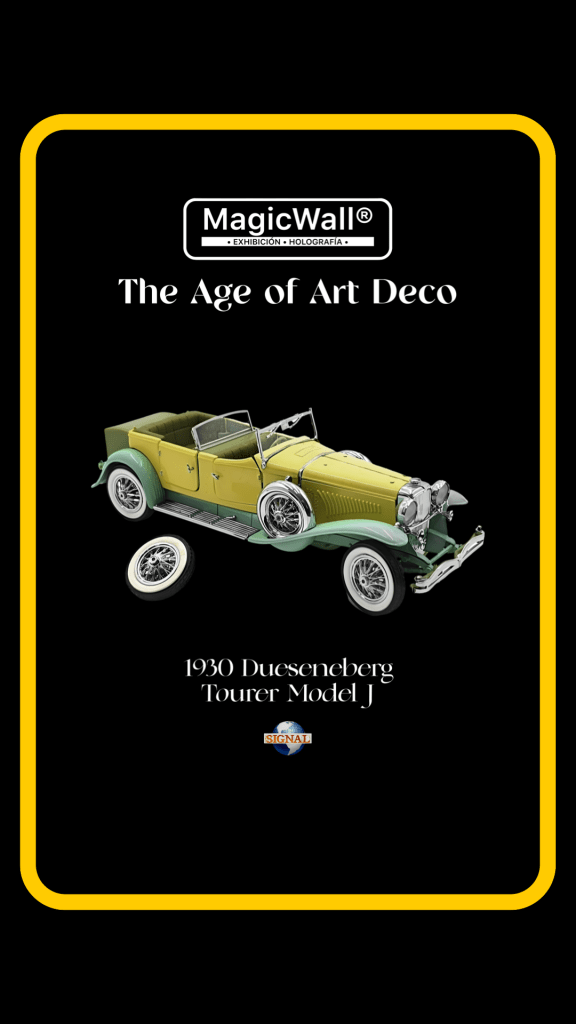
Design in the United States was tailored to accommodate the emerging affluent class. They were eager to show their newly acquired wealth during the economic expansion after World War I.

In contrast, Bugatti adopted a more refined and minimalist aesthetic. Ettore Bugatti, educated in the fine arts and engineering, held the conviction that beauty is achieved through simplicity and precision.
The Type 57SC Atlantic is an iconic Bugatti model. It is noted for its elegant design, refined curves, and minimalist approach. This reflects European craftsmanship and artistic sophistication.
While Duesenberg prioritized luxury and boldness, Bugatti emphasized elegance, efficiency and a delicate interplay of form and function.
These design philosophies were not simply the result of individual visionaries. They also reflected the socio-economic realities of their respective continents.
The United States experienced industrial growth and economic optimism during the Roaring Twenties. Europe, recovering from World War I, took a more reserved and traditional approach.
“The only car that could pass a Duesenberg is another Duesenberg—and that was with the first owner’s consent.”
A marketing slogan highlighting the exceptional power and prestige of Duesenberg cars
The Art Nouveau aesthetic of Bugatti
This innovative aesthetic was primarily introduced in the 1920s. It played a significant role in shaping the design philosophy of the brand.
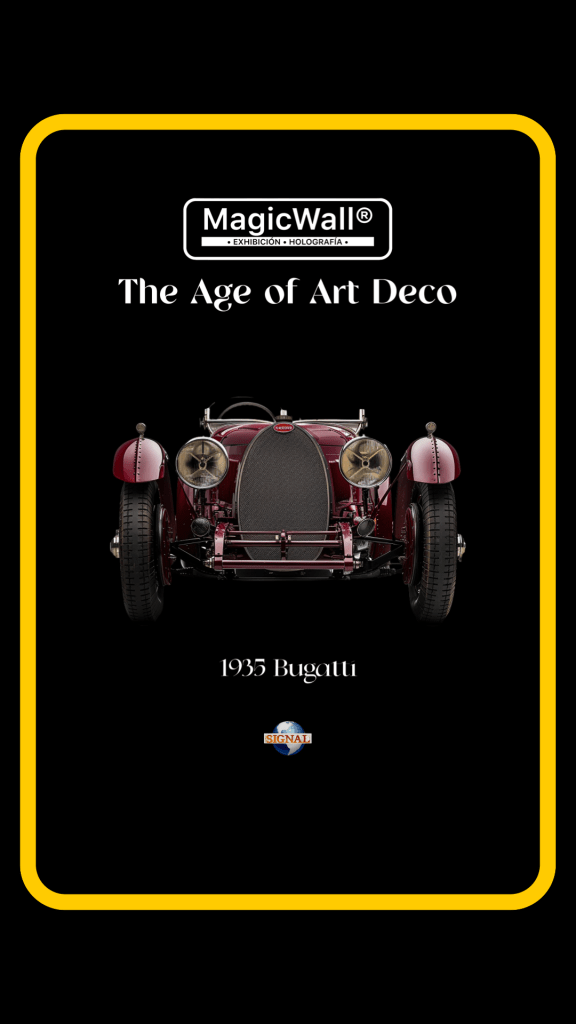
Before this transition, Bugatti’s designs were more traditional and focused on engineering and mechanical innovation.
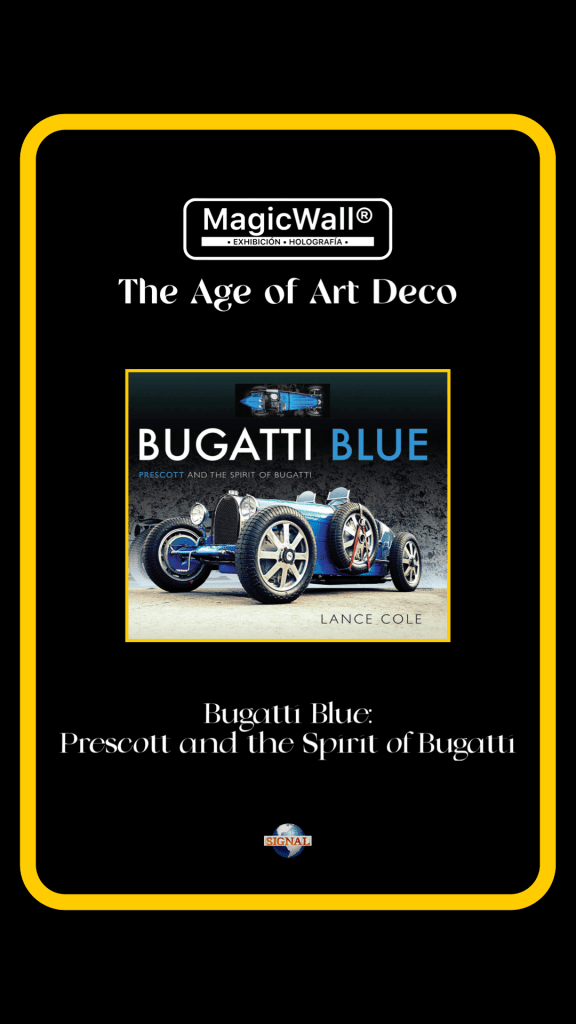
Ettore Bugatti, the brand’s founder, was influenced by the Art Nouveau movement, known for its organic lines and intricate details.
History of automotive innovation from 1769 to 1945
The 1924 Type 35, along with the Type 41 Royale and Type 57 Atlantic, showcased the brand’s design hallmarks. These hallmarks include graceful curves and sculptural elegance.
Both brands faced the impacts of war and economic decline. Bugatti thrived due to its strong legacy and brand identity. Additionally, the market valued luxury and performance.
Duesenberg, by contrast, was too deeply tied to a specific time and place. Pre-Depression America was its era. It never found a way to reinvent itself for the post-war world.
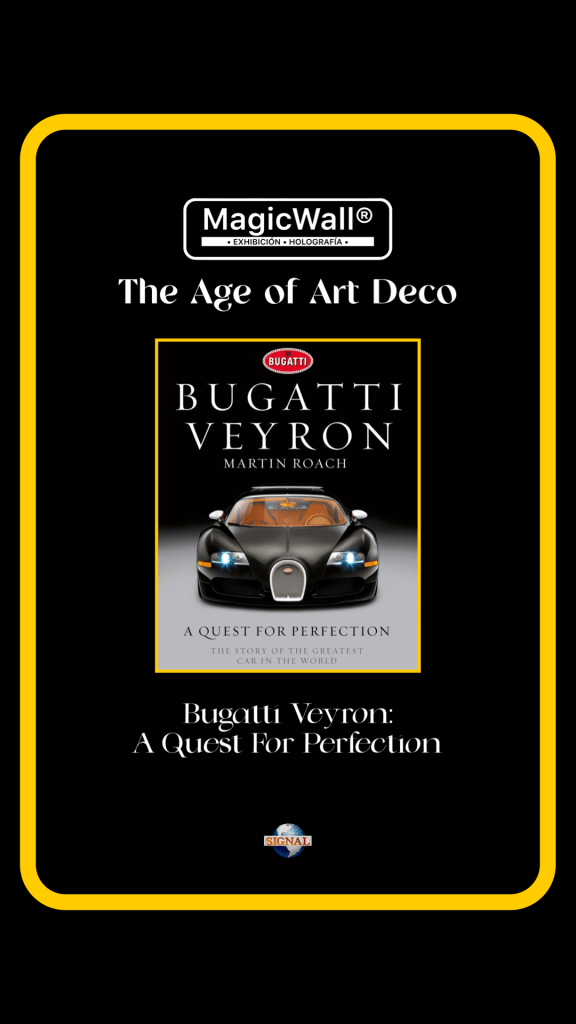
Bugatti excels through innovation and inspiration for new generations. With cutting-edge technology, exceptional design, and relentless performance, Bugatti captivates automotive enthusiasts and collectors.
Duesenberg is a nostalgic symbol of the past, reflecting the elegance and craftsmanship of a bygone era, appealing to classic automobile enthusiasts.
Before the 1920s, European automotive design, exemplified by early Bugatti models, emphasized utility and mechanical efficiency. The designs featured angular and functional forms.
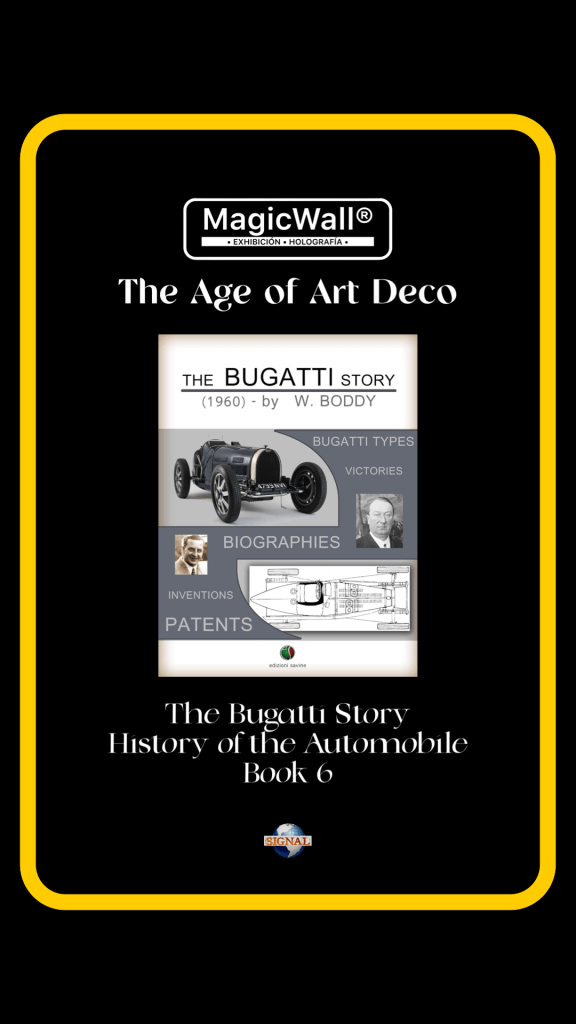
This shift in Bugatti’s aesthetic was a key factor. It established the brand’s reputation as both an engineering and design icon during the pre-World War II era.
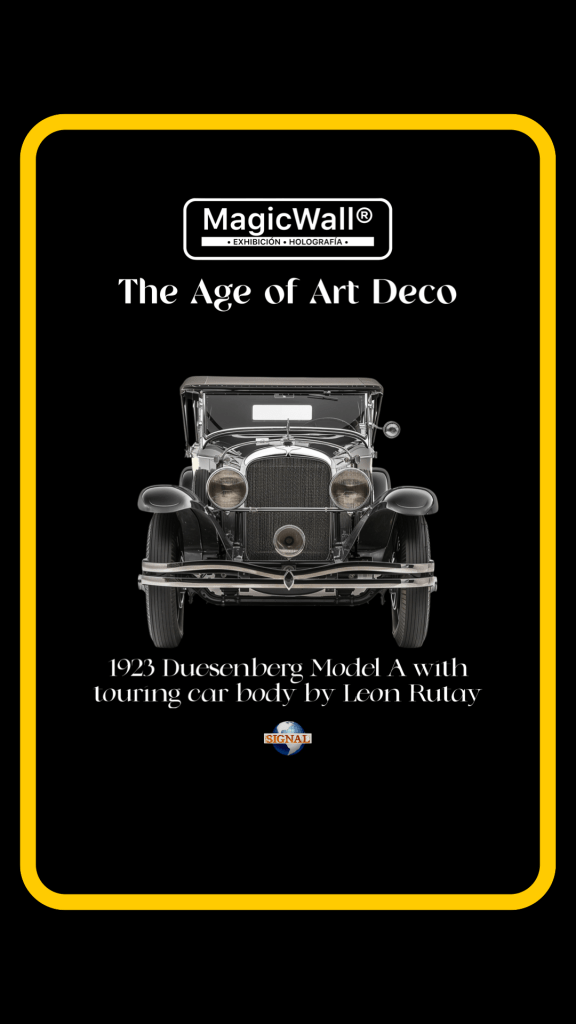
Engineering: The Convergence of Human Intellect and Machinery
Both Duesenberg and Bugatti set high engineering standards. Their approaches differed significantly. Duesenberg engineers, led by Fred Duesenberg, focused on performance.
Known for their prowess on the racetrack, Duesenberg cars incorporated cutting-edge technology for their time. They featured dual overhead camshafts and supercharged engines.
The Model J, launched in 1928, featured a powerful 265-horsepower engine. It was the fastest luxury car in America. Duesenberg merged speed, power, and luxury for a clientele desiring top performance and status.
Bugatti cars were known for their lightweight design and finesse. This is clear in models like the Type 35. Ettore Bugatti believed that “Weight is the enemy.” This approach contrasted with Duesenberg’s emphasis on power, highlighting the difference between America’s industrial strength and Europe’s craftsmanship values.
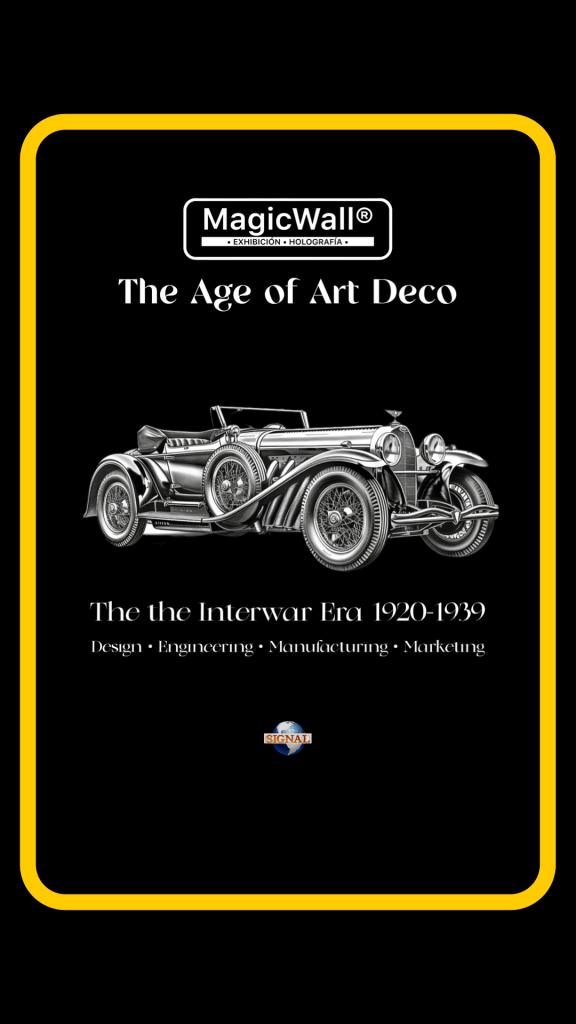
Manufacturing: An Examination of Scale and Craft
The manufacturing processes of Duesenberg and Bugatti show their distinct cultural and industrial backgrounds. Duesenberg embodies American industrial ambition and large-scale production.
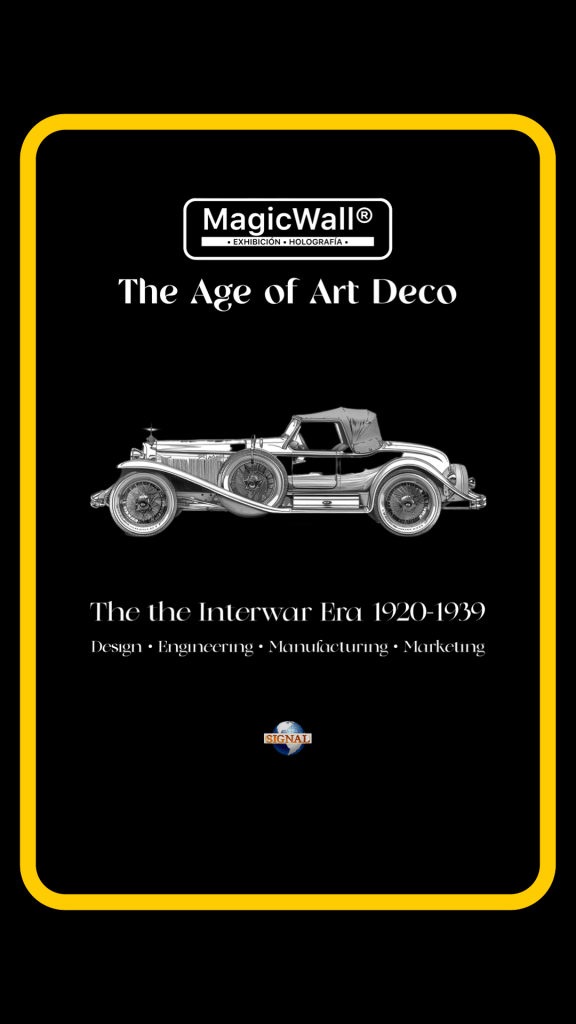
Duesenberg cars merged hand-built craftsmanship with mass production in the 1920s. They benefited from efficiencies while retaining exclusivity, much like Ford’s assembly line revolution.
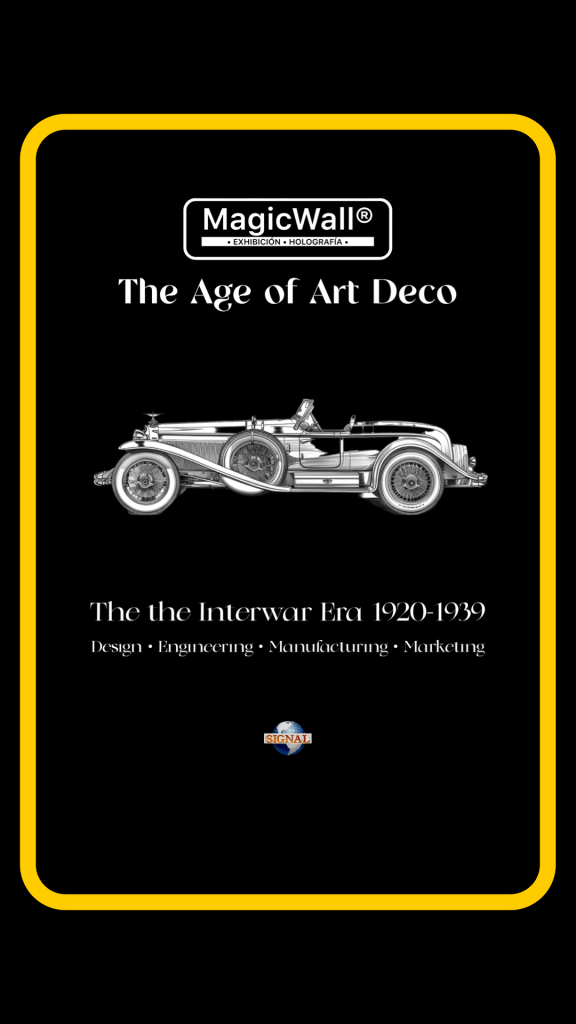
Bugatti used an artisanal manufacturing approach. They meticulously handcrafted each vehicle in limited quantities. The pronounced emphasis was on craftsmanship and individuality. This approach is reminiscent of luxury timepieces and exquisite furniture.
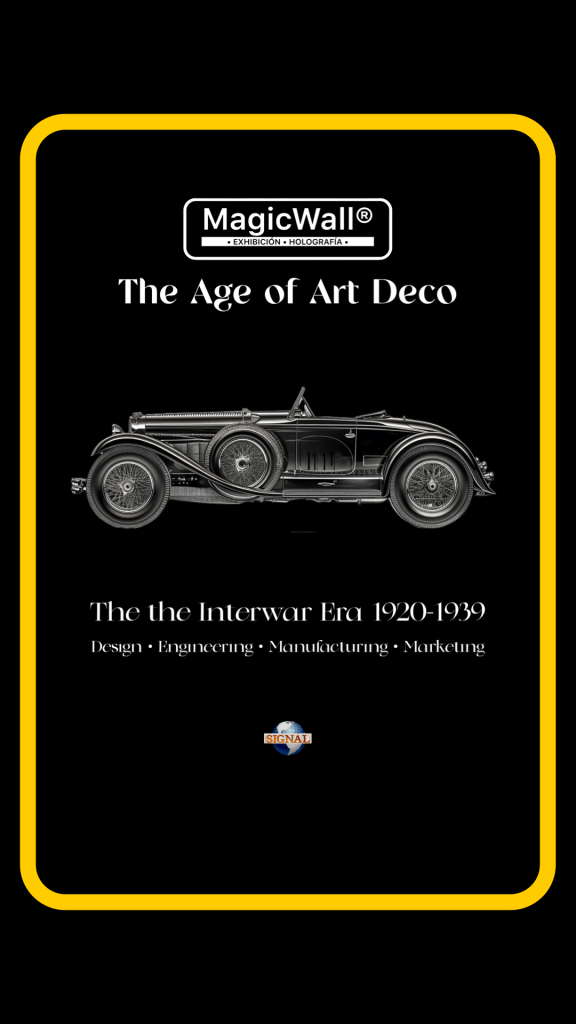
The limited production reflected both the company’s philosophy of exclusivity. It also mirrored the European cultural context. Artisanal traditions remained deeply rooted in the industrial landscape.
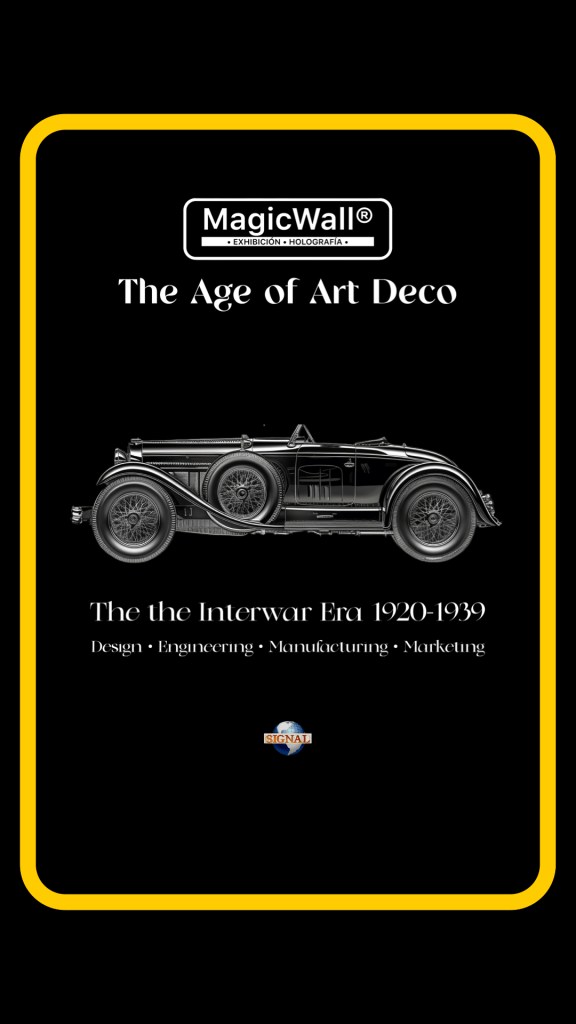
Marketing Philosophies: The Craft of Status Promotion
Both brands attended to the elite of the world. But, their marketing strategies reflected the broader cultural contexts in which they operated.
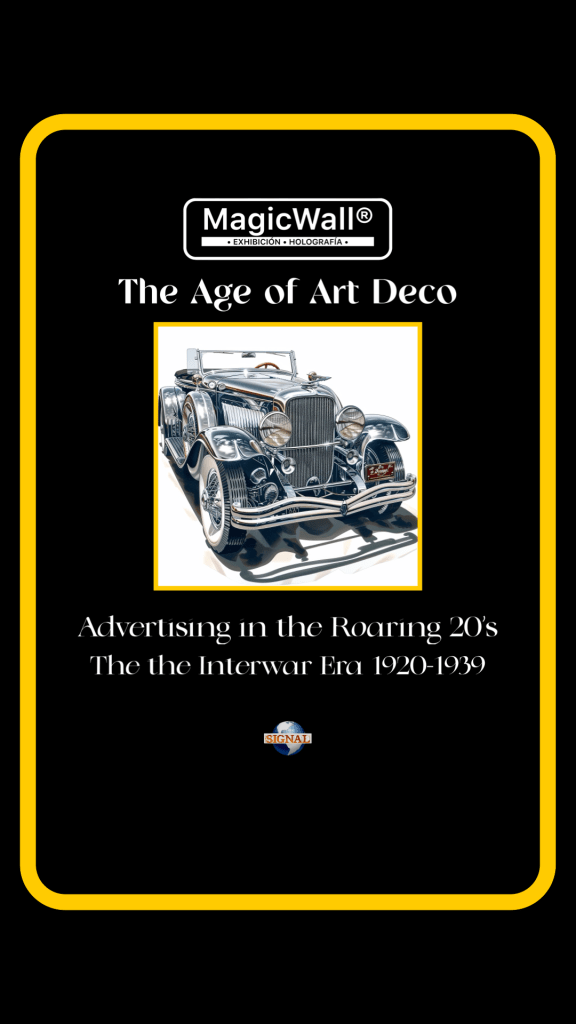
Duesenberg’s marketing strategy was centered on its capacity to offer the utmost in speed, luxury, power, and prestige.
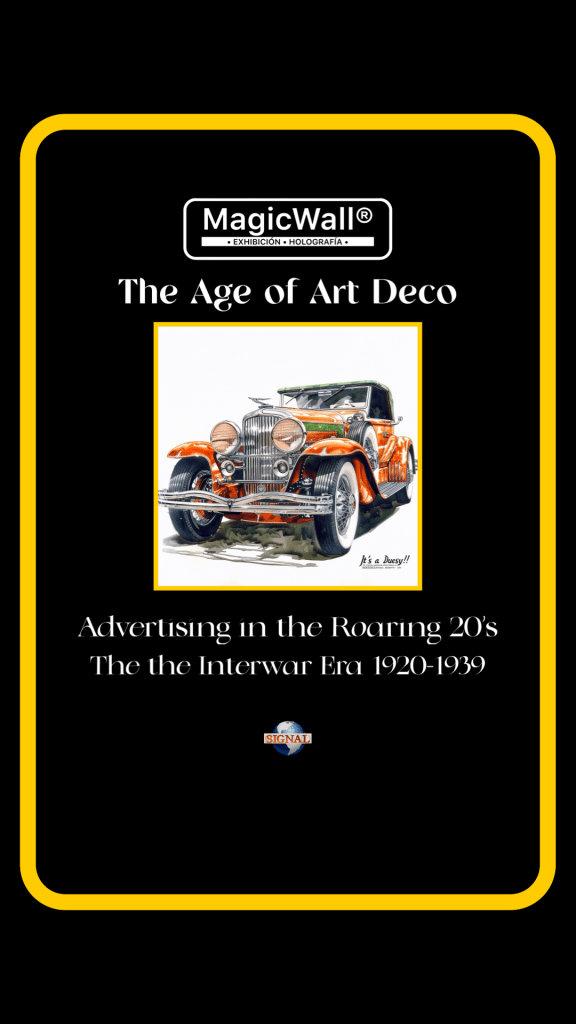
The famous slogan “It’s a Duesy!” cemented its place in the American lexicon, denoting an object or experience of the highest quality.
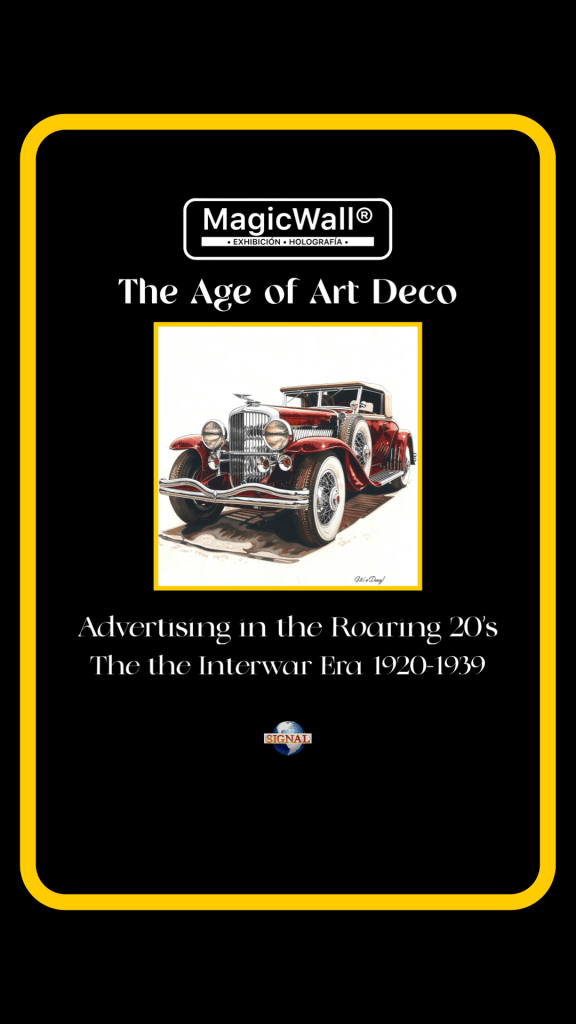
Duesenberg automobiles were marketed as the quintessential status symbol, attracting the attention of movie stars, industrialists, and members of royalty.

Bugatti positioned itself as a blend of art and technical brilliance. It emphasizes sophistication, exclusivity, and engineering excellence. This is prioritized over mere displays of wealth.
Bugatti targeted clients who valued craftsmanship and individuality, with marketing that emphasized this unique appeal.
In Europe, characterized by its historical and aristocratic frameworks, wealth often manifested in a more subdued manner. Bugatti’s marketing strategies were distinctly aligned with this principle.
The Imminent Conflict: A Conclusion to an Epoch
The impending Second World War in the late 1930s brought an abrupt end to both Duesenberg and Bugatti’s production. This marked a turning point not only for these prestigious automotive brands but also for the entire luxury car market.

As tensions mounted in Europe, resources became increasingly scarce. Manufacturers faced overwhelming challenges. They were forced to pivot their focus away from the craftsmanship and innovation that had defined their vehicles.
Factories that once thrived on creating high-performance machines now manufactured for war efforts. This change significantly altered the landscape of automotive engineering for decades to come. The cessation of production signified the end of an era. Enthusiasts and collectors mourned the loss of these iconic brands. They had become synonymous with speed, luxury, and timeless design.
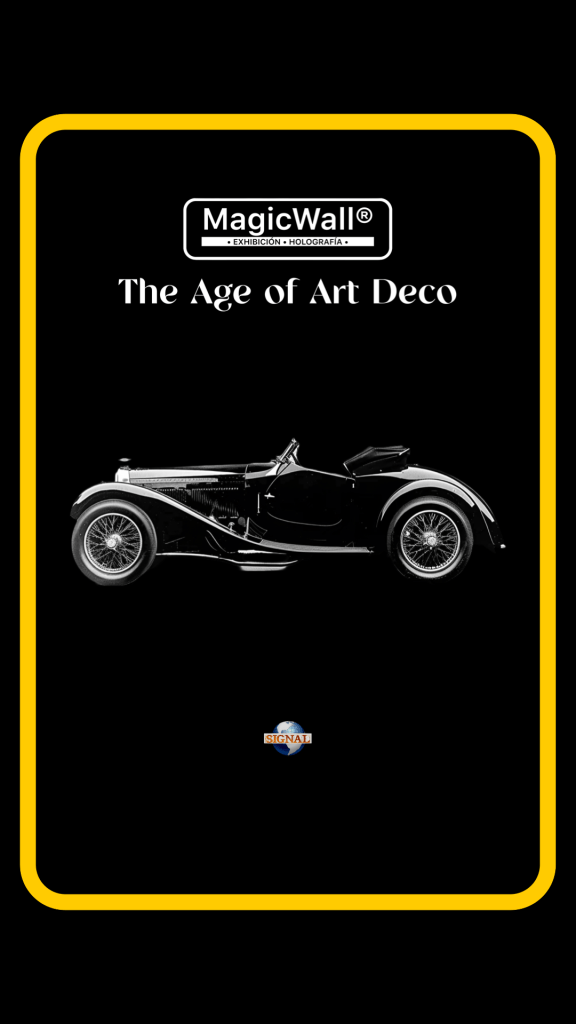
The Great Depression severely affected the luxury market in the United States. This resulted in the closure of Duesenberg in 1937. This occurred despite its respected status.
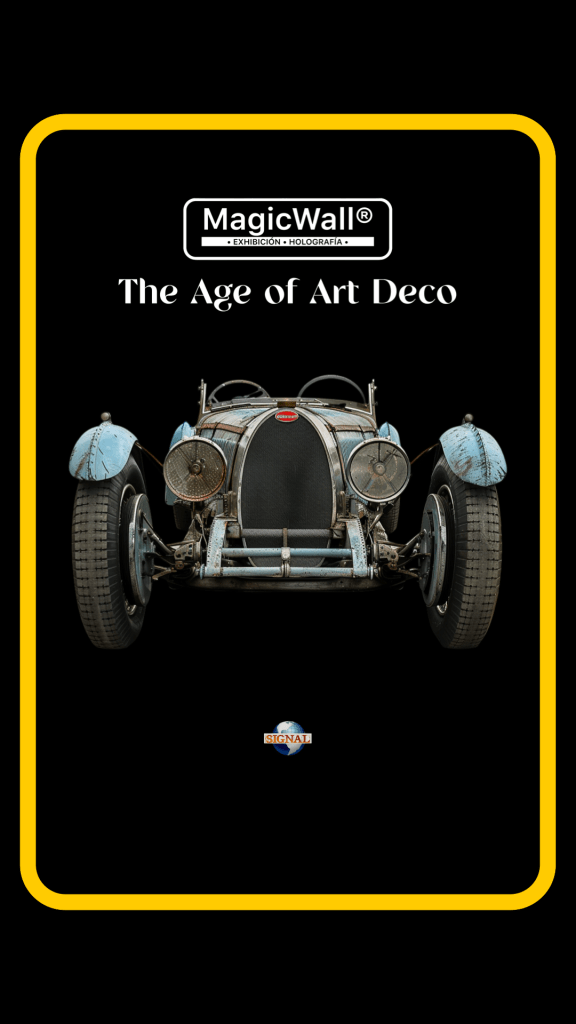
In Europe, Bugatti was similarly affected by economic difficulties and, later, the war’s devastation. The war redirected resources and industrial capacity toward military production, halting the golden age of luxury cars.
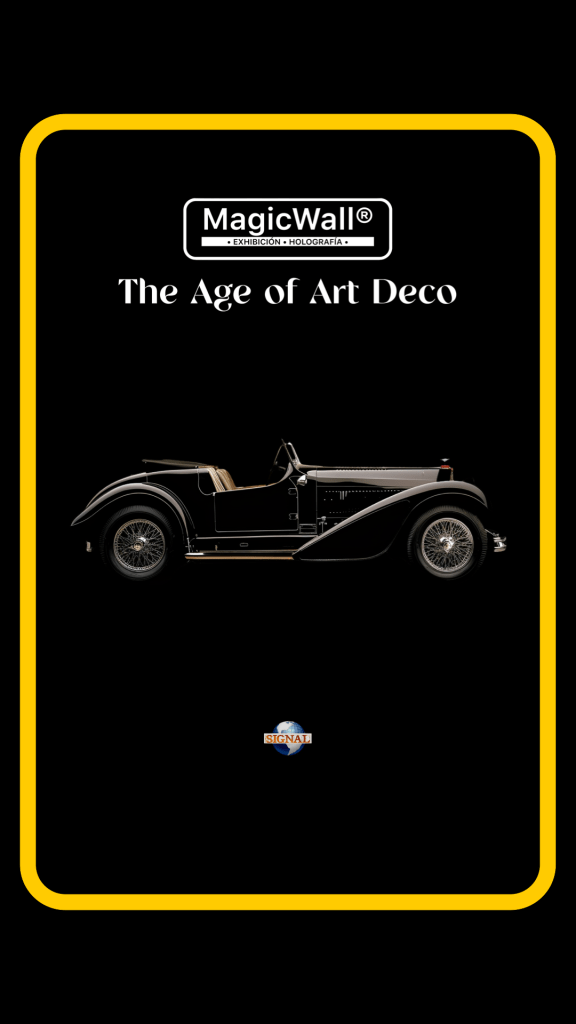
It is sorrowful to recognize that global forces of war and depression drastically affected the world and the automobile industry.
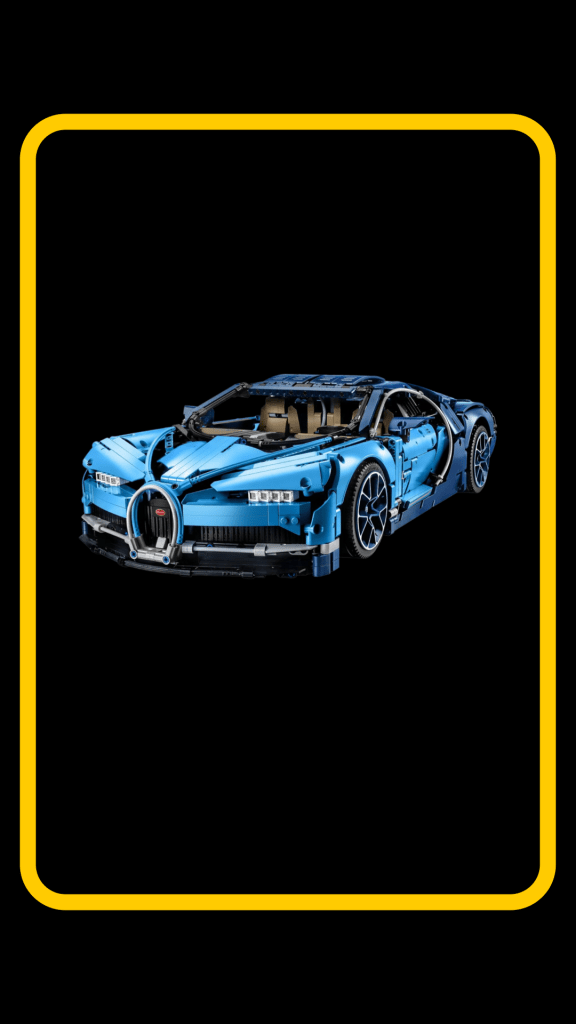
In the final analysis, the vehicles manufactured by Duesenberg and Bugatti elicit sentiments that surpass the confines of mere machinery. They are revered artifacts from an era characterized by innovation and prosperity. They are revered artifacts from an era characterized by innovation and prosperity.
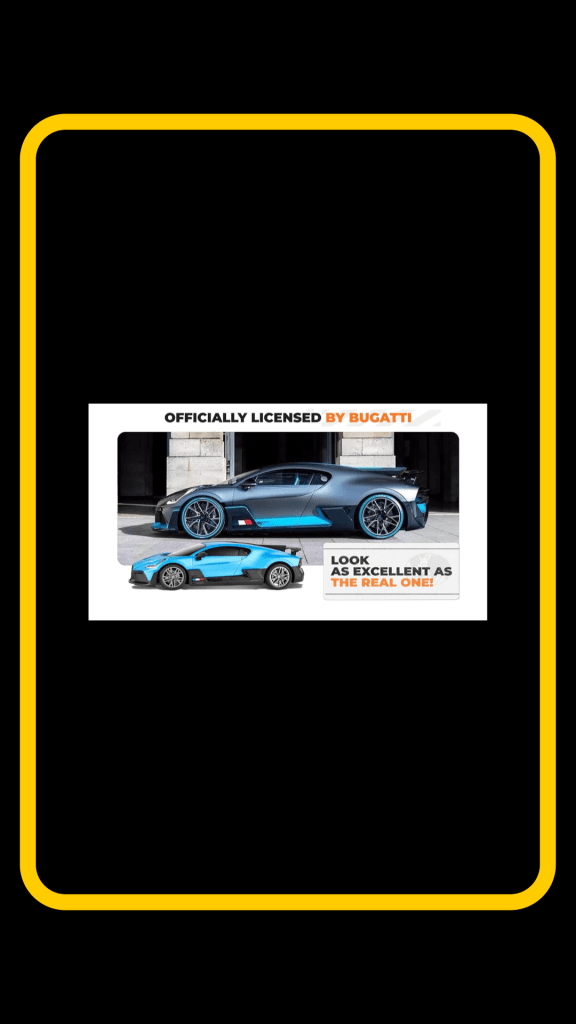
Bugatti – Auto a control remoto
Bugatti Remote Control Car: Officially authorized by Bugatti, the remote control car has all the functions of a real car.
Both marques propelled advancements in design, engineering, and luxury while encapsulating the quintessence of their respective continents—America’s industrial expansion and Europe’s commitment to artistry.
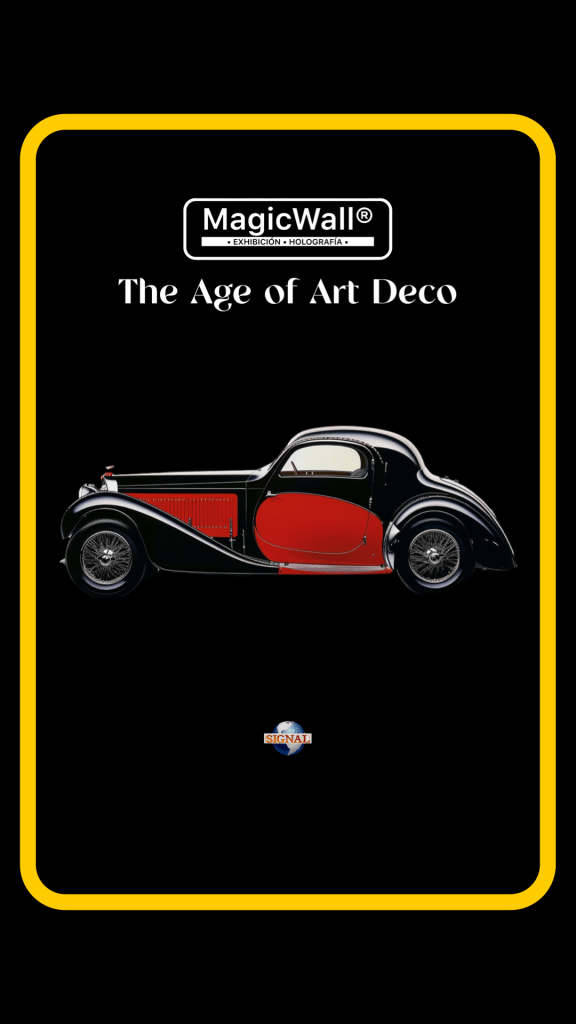
Unleashing the Spirit of the Bugatti Brand: Vive La Marque!
The story of Bugatti and Duesenberg illustrates the impact of brand identity. It also shows the effect of market conditions and corporate strategy on renowned automotive brands.

Bugatti is synonymous with luxury and performance, while Duesenberg is noted for its craftsmanship and appeal to the elite.

These brands illustrate how consumer expectations and corporate vision influence a brand’s success in the automotive industry. Economic and cultural shifts also play a role.

The Strength of Brand Identity and Legacy
Bugatti has a cohesive brand identity, intertwined with its founder, Ettore Bugatti. Known for blending artistry and engineering, Bugatti cars were more than vehicles—they were art.
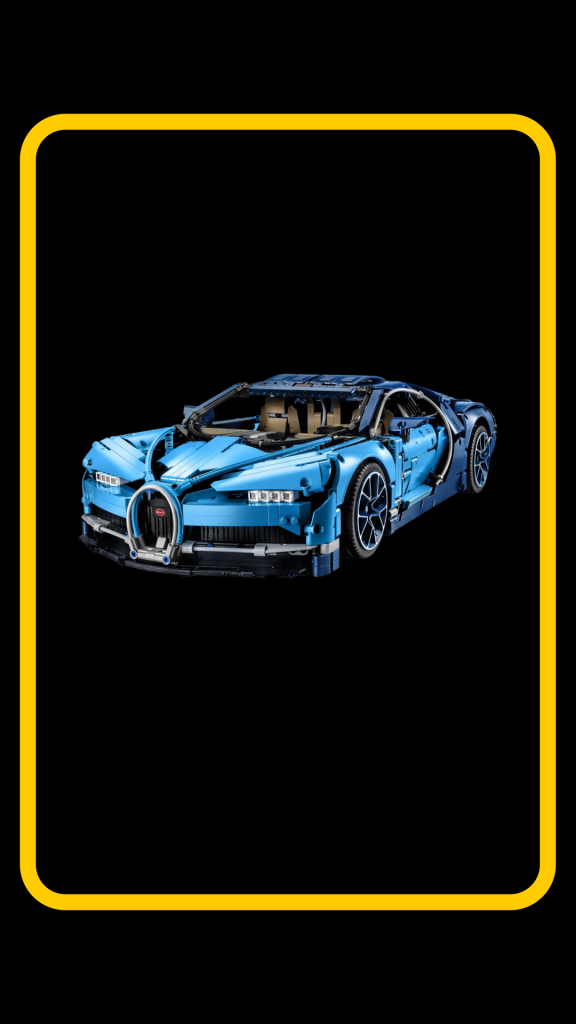
Bugatti’s identity as a symbol of elegance and innovation gave it a mythic status. It maintained an aura of prestige even after production ceased. Its racing heritage, particularly with the Type 35, reinforced its association with performance and exclusivity. This heritage kept the brand in the public consciousness for future revitalization.

Duesenberg, noted for its engineering, had a less cohesive identity than Bugatti. While linked to luxury and speed, its cultural significance was connected to the Roaring Twenties. The Great Depression made its extravagant image a liability, hindering its ability to adapt as the luxury car market shrank.

Post-War Opportunities and Industrial Shifts
In the post-World War II era, Europe saw an economic recovery, sparking interest in luxury goods and high-performance cars. The Bugatti brand was revived in the late 1980s by Italian entrepreneur Romano Artioli with the EB110 supercar launch.

Duesenberg struggled in the postwar American luxury market, overshadowed by mass-market manufacturers like General Motors and Ford that prioritized affordability. The shift in public preference for ultra-luxury diminished demand for Duesenberg, which lacked the cultural support for a revival.

An Analysis of the Evolution of the Luxury Automobile Market
The luxury automobile sector in Europe has thrived post-war, fueled by heritage and technological advancements. Bugatti, revived in the 1990s and acquired by Volkswagen in 1998, emerged as a key player in high-performance luxury vehicles.

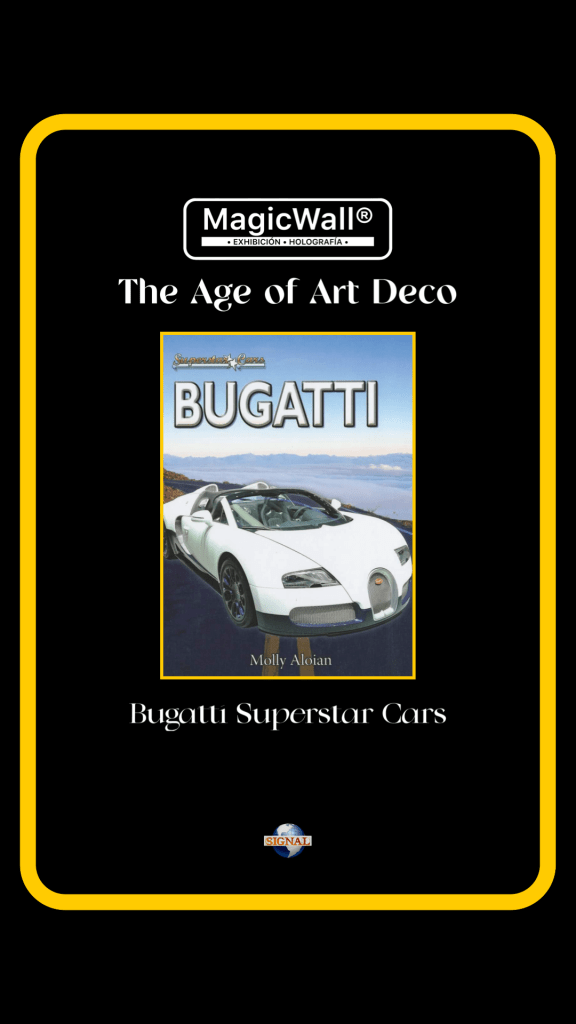
HotWheels 2-Pack Bugatti Veyron
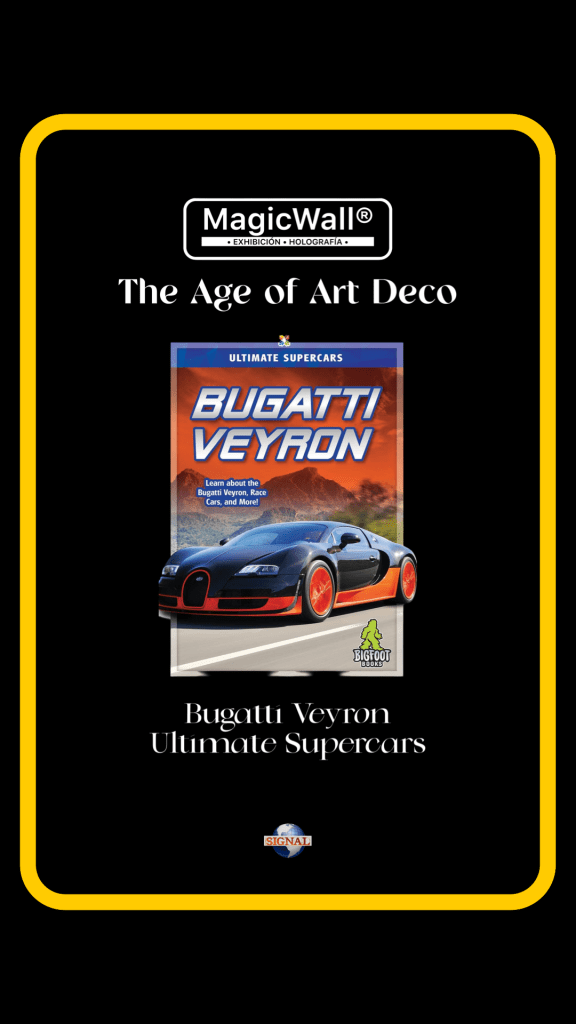
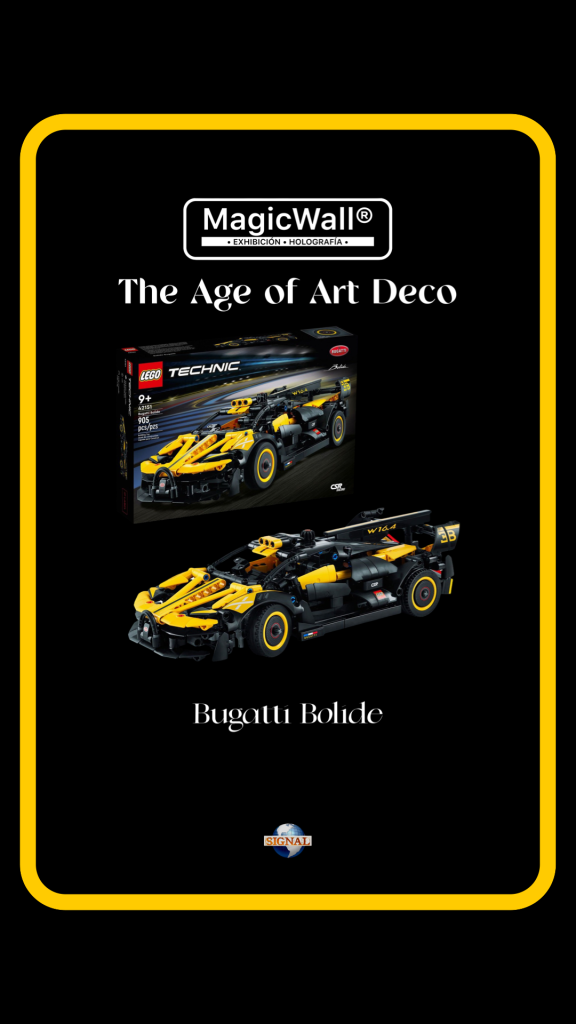
Significant investments resulted in iconic hypercars like the Veyron and Chiron. These cars showcase innovation and focus on luxury and performance. This strategy allows Bugatti to excel in a tech-driven market.

Duesenberg did not create a market niche. Unlike Bugatti, it did not experience a revival after ceasing operations in 1937. The American luxury market gravitated towards brands like Cadillac and Lincoln. This resulted in its obscurity.

Cultural Significance and the Myth of Endurance
Culturally, Bugatti maintained a mystique that kept it relevant during its absence. The brand’s racing dominance, Ettore Bugatti’s artistic engineering, and the car’s beauty ensured its legacy remained alive among enthusiasts. Upon revival, Bugatti had a ready-made narrative to market to a new generation of car lovers.

Duesenberg, admired by classic car enthusiasts, lost prominence. Its ties to the pre-Depression elite faded. The economic landscape shifted towards a democratized vision of wealth in post-war America.

The Role of Corporate Strategy
Bugatti’s survival and success stem from Volkswagen’s strategic acquisition in the late 1990s. This acquisition allowed it to enter the ultra-luxury market and use engineering skills for high-performance vehicles. Meanwhile, Duesenberg, lacking corporate support, struggled to compete in the automotive industry.

Conclusion: A Tale of Two Fates
The story of Bugatti and Duesenberg illustrates how brand identity and adaptability affect the success of automotive brands. Bugatti thrived by evolving and appealing to contemporary markets. Meanwhile, Duesenberg stagnated due to its ties to a bygone era. This resulted in its decline and limited recognition today.
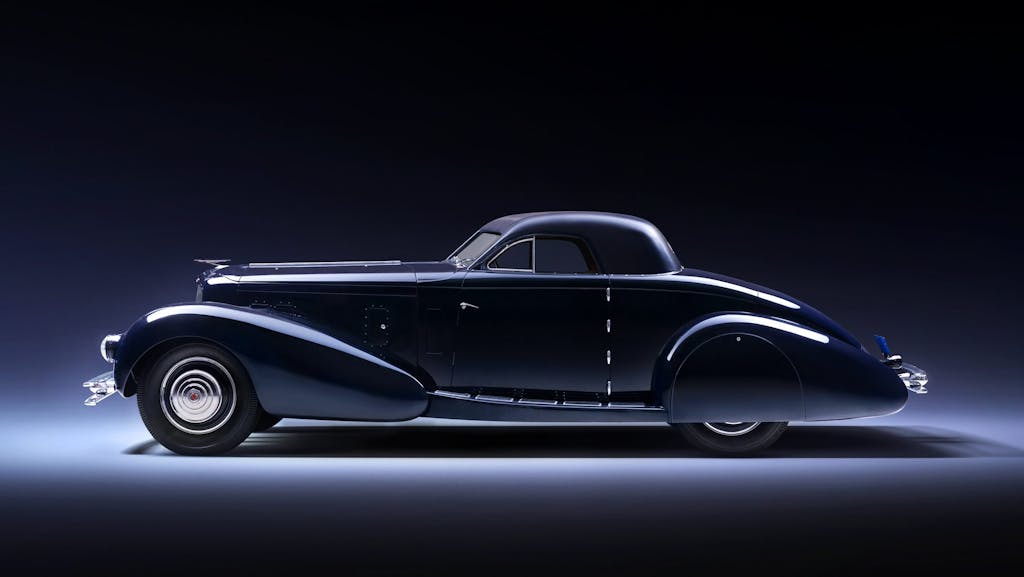
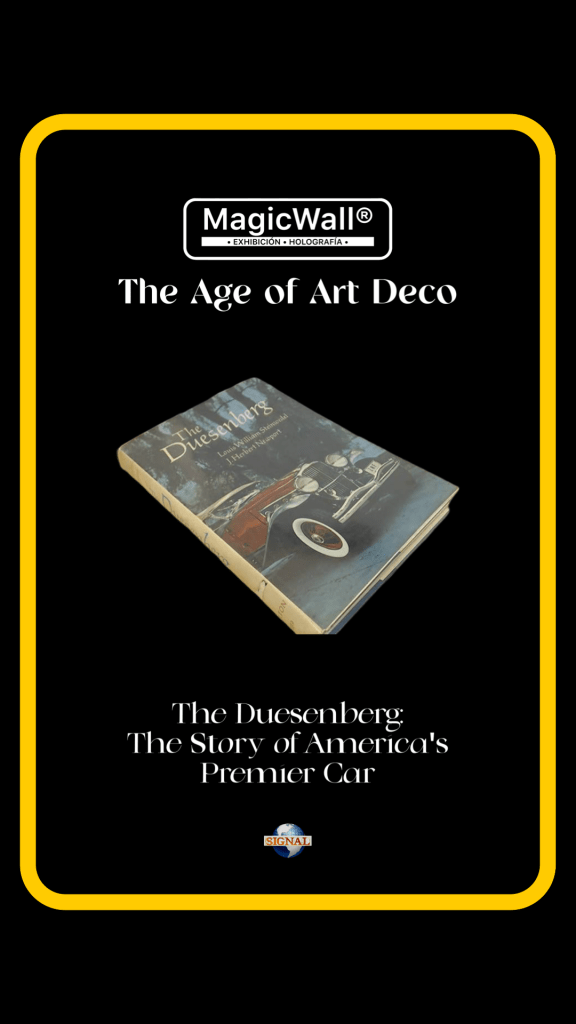
How the Duesenberg Brothers Redefined the Great American Car
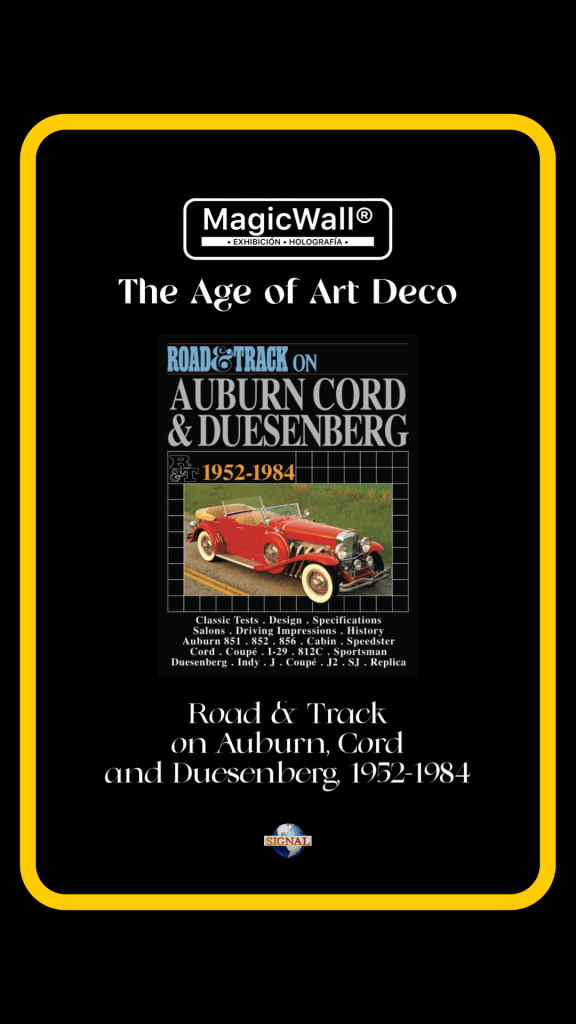
Duesenberg SJ Speedster wins the award for best of the best

🚗✨ Discover the fascinating story of two automotive legends: #Bugatti vs #Duesenberg.
How one brand rose again and prospered while the other was forgotten. What defines the success and fall of an icon? We tell you! 🔥 #BrandIdentity #LuxuryCars #AutomotiveHistory #AutomotiveBlog #MotorLegends #exhibition #collections #collecting #miniatures #miniatures #acrylic #displays #decoration #innovation #branding #retail #retaildesign #retailers #retailinnovation #Style #stores


 SIGNAL GROUP
Leave a comment