
Ing. José María Noriega C.A.S.
Explore how the 1932 Mercedes-Benz SSK W06 and the 1937 Mercedes-Benz Silberpfeil W125 defined automotive excellence in the 1930s, showcasing innovations in speed, style, and luxury in our latest blog post.
The Cultural and Historical Context of the 1930s
The 1930s saw profound global change, with the Great Depression creating economic turmoil and uncertainty. Despite these challenges, the decade became a period of remarkable innovation. It was also a time of artistic expression in various fields, including the automotive industry.
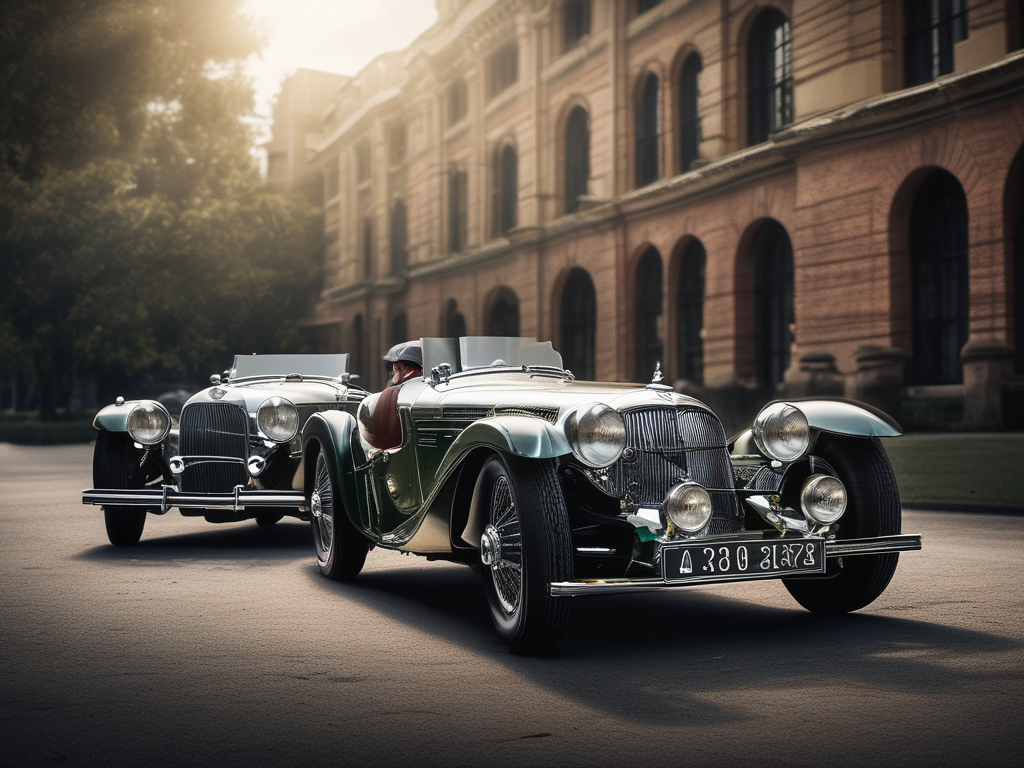
1932 Mercedes-Benz SSK W06
In Europe, the rise of totalitarian regimes and the looming threat of war created an atmosphere of urgency and competition. This was particularly clear in the realm of engineering and technology.
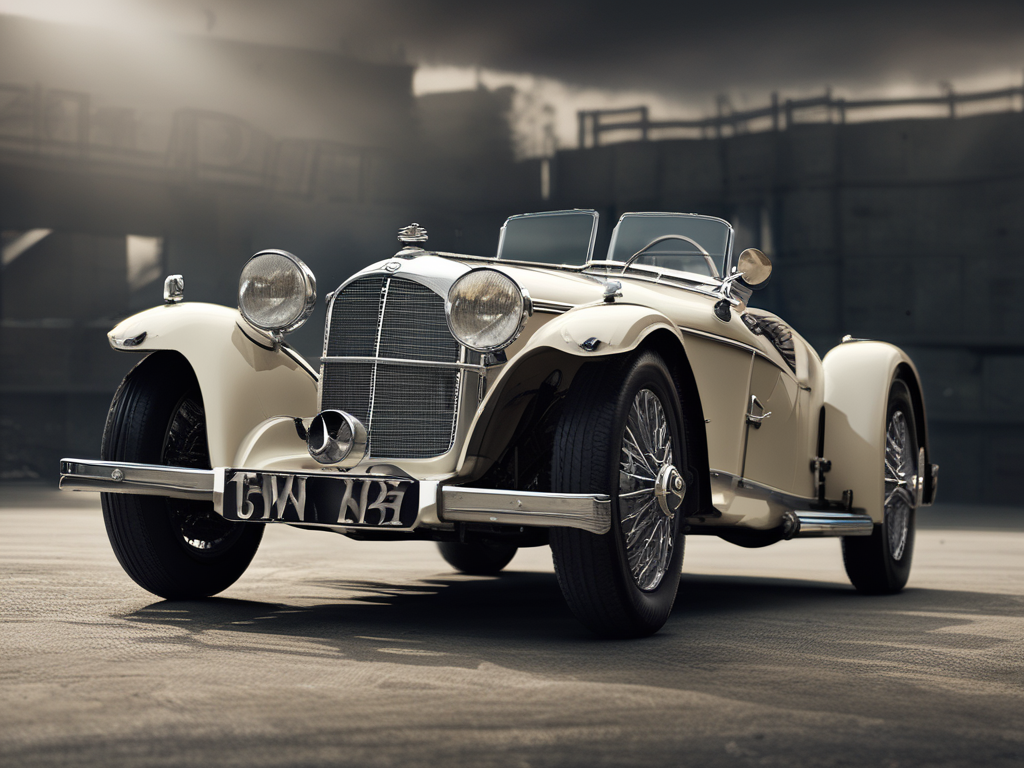
1932 Mercedes-Benz SSK W06
This environment spurred advancements in automotive design. Companies like Mercedes-Benz sought to assert their dominance on both the road and the racetrack. The cars of this era had powerful engines and bold designs. They reflected the resilience and ambition of the time. They stood as symbols of hope and progress in a world that was rapidly changing.

1932 Mercedes-Benz SSK W06
The 1930s were a transformative decade for automotive design and engineering. This period was particularly significant for Mercedes-Benz. They produced some of the most iconic vehicles in automotive history.
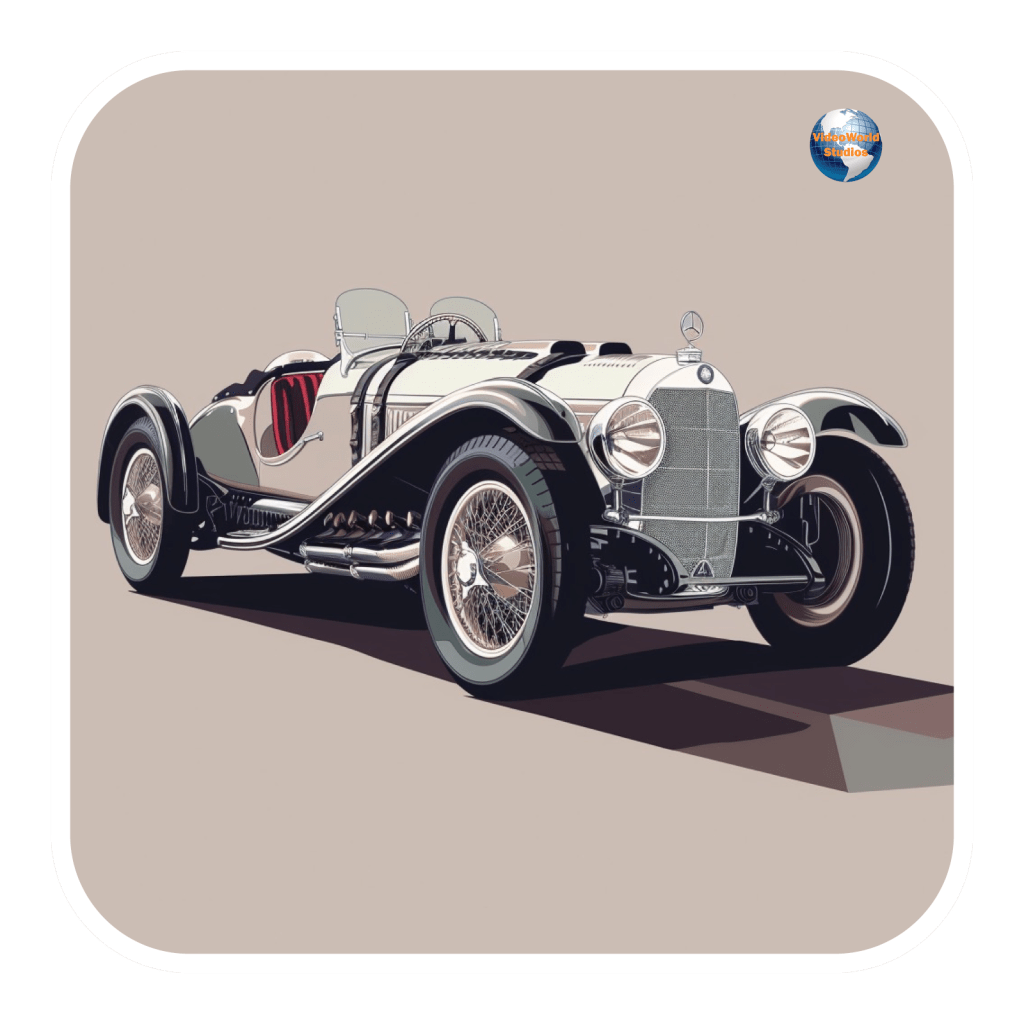
1932 Mercedes-Benz SSK W06
This era saw the birth of models that combined groundbreaking performance with breathtaking aesthetics. They set new standards in both racing and luxury.
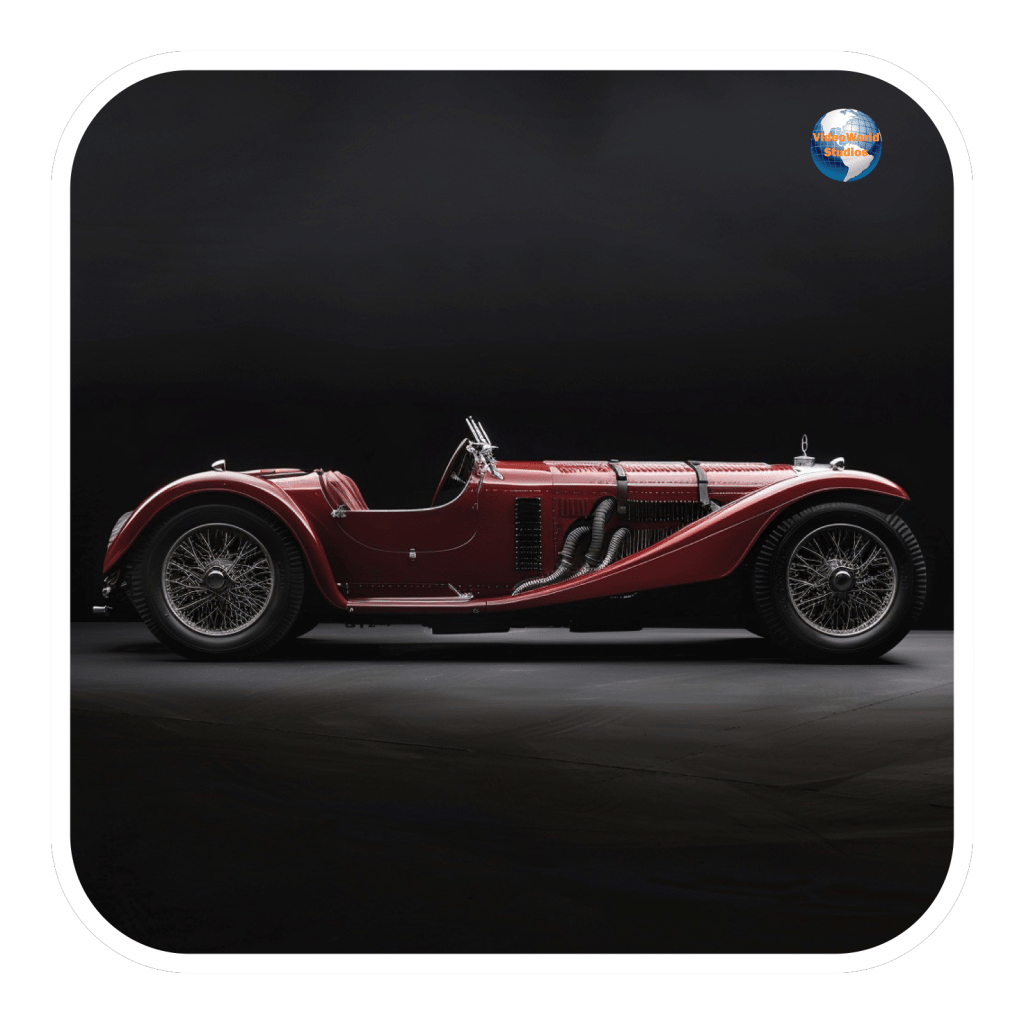
1932 Mercedes-Benz SSK W06
Two of the most revered and iconic cars from this era are the 1932 Mercedes-Benz SSK W06. Another revered car is the 1937 Mercedes-Benz Silberpfeil W125.
The SSK W06 boasted a supercharged 7-liter straight-6 engine. It roared with an impressive 300 horsepower. This secured its position as the swiftest road car of its time.

1932 Mercedes-Benz SSK W06
Meanwhile, the W125, powered by a supercharged 5.6-liter inline-8 engine, unleashed an unprecedented 637 horsepower, dominating the world of Grand Prix racing.
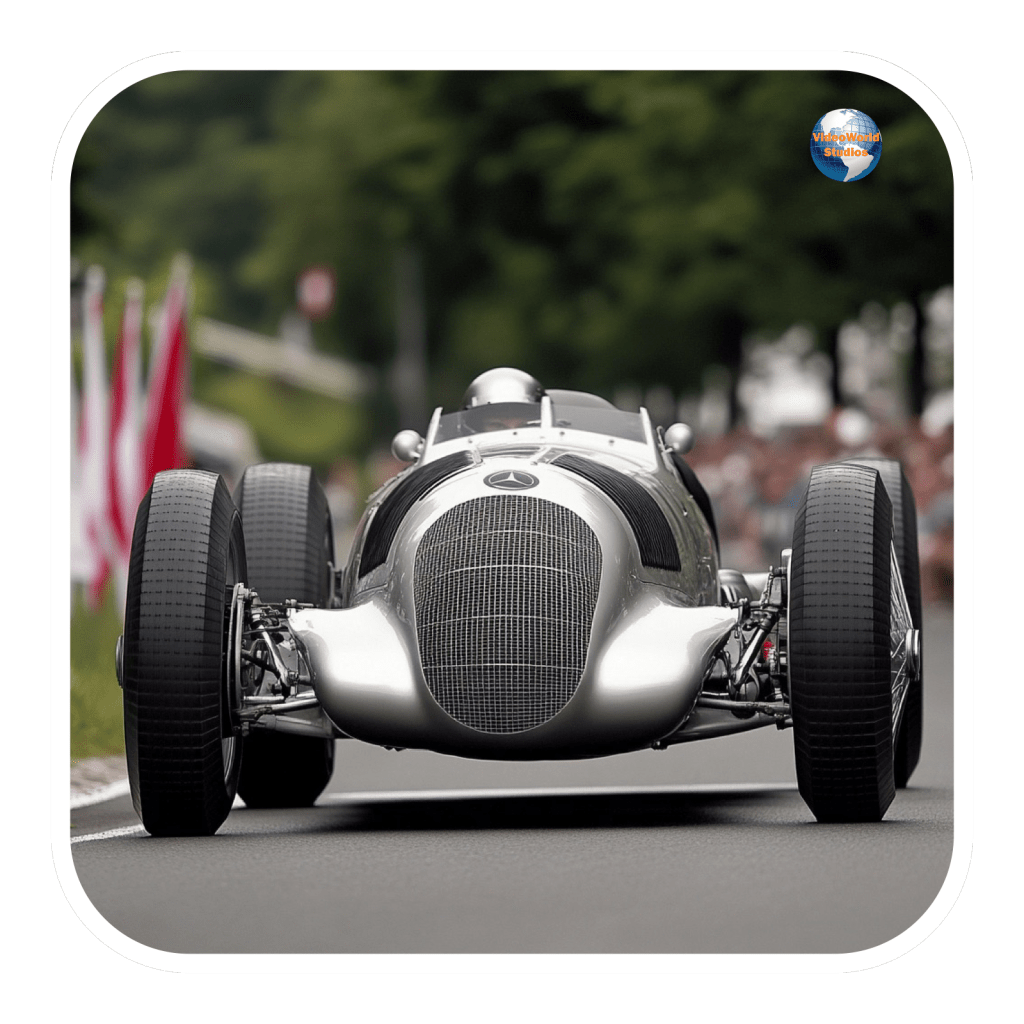
1932 Mercedes-Benz SSK W06
The SSK left an indelible mark on the racing world. It triumphed in legendary events like the 1929 Argentine 500. It also won the Córdoba Grand Prix in 1929 and 1930, and the 1931 Argentine Grand Prix. Guided by the skilled hands of Rudolf Caracciola, it secured glorious victories at the 1929 British Tourist Trophy. It also won the 1930 Irish Grand Prix, the 1931 German Grand Prix, and the 1931 Mille Miglia. The S/SS/SSK model series was a finalist for Car of the 20th Century in 1999. It manifested a true revolution in the automotive realm. It crafted an enduring legacy of innovation and unparalleled excellence.

1935 Mercedes-Benz
The 1932 Mercedes-Benz SSK W06: A Masterpiece of Design and Performance
The 1932 Mercedes-Benz SSK W06, designed by Ferdinand Porsche, exemplifies pre-war automotive engineering as a compact and athletic iteration of the Modell S, highlighting a significant period in automotive history before Porsche left to establish his own legacy.

Its aggressive design features a long hood for its 7-litre supercharged straight-6 engine, allowing the SSK to reach speeds of 200 km/h (124 mph), solidifying its status as a thrilling car. It dominated racing and won many events, earning the nickname “White Elephant” for its size, power, and unique color.
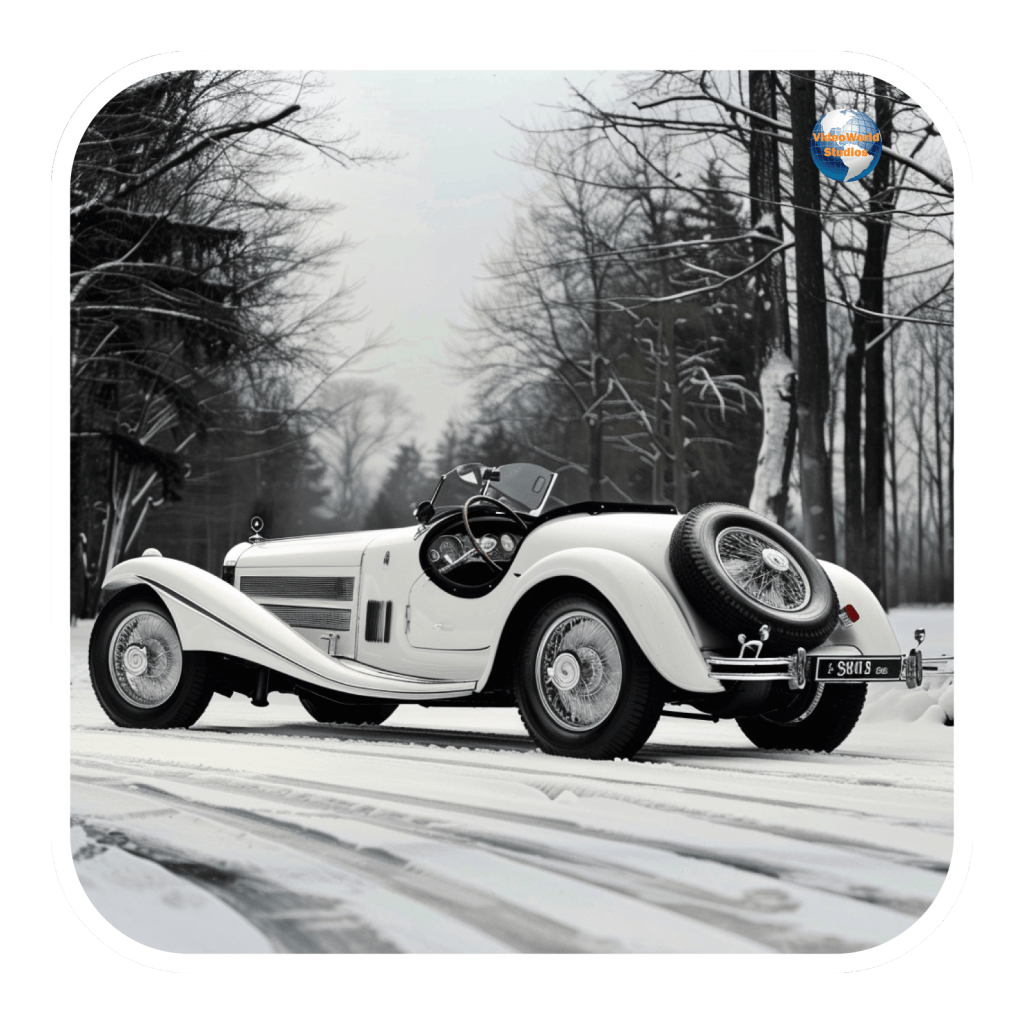
The most famous driver of the SSK was Rudolf Caracciola. He became a legend in the sport and a national hero in Germany.

He won the 1931 European Drivers’ Championship, driving the SSK, and set multiple speed records, including the fastest average speed of 197 km/h (122 mph) on the autobahn between Frankfurt and Heidelberg.

The SSK was a limited production vehicle, with just 31 units manufactured from 1928 to 1932, and was very expensive at around 50,000 Reichsmarks, approximately 10 times the average German worker’s annual income.
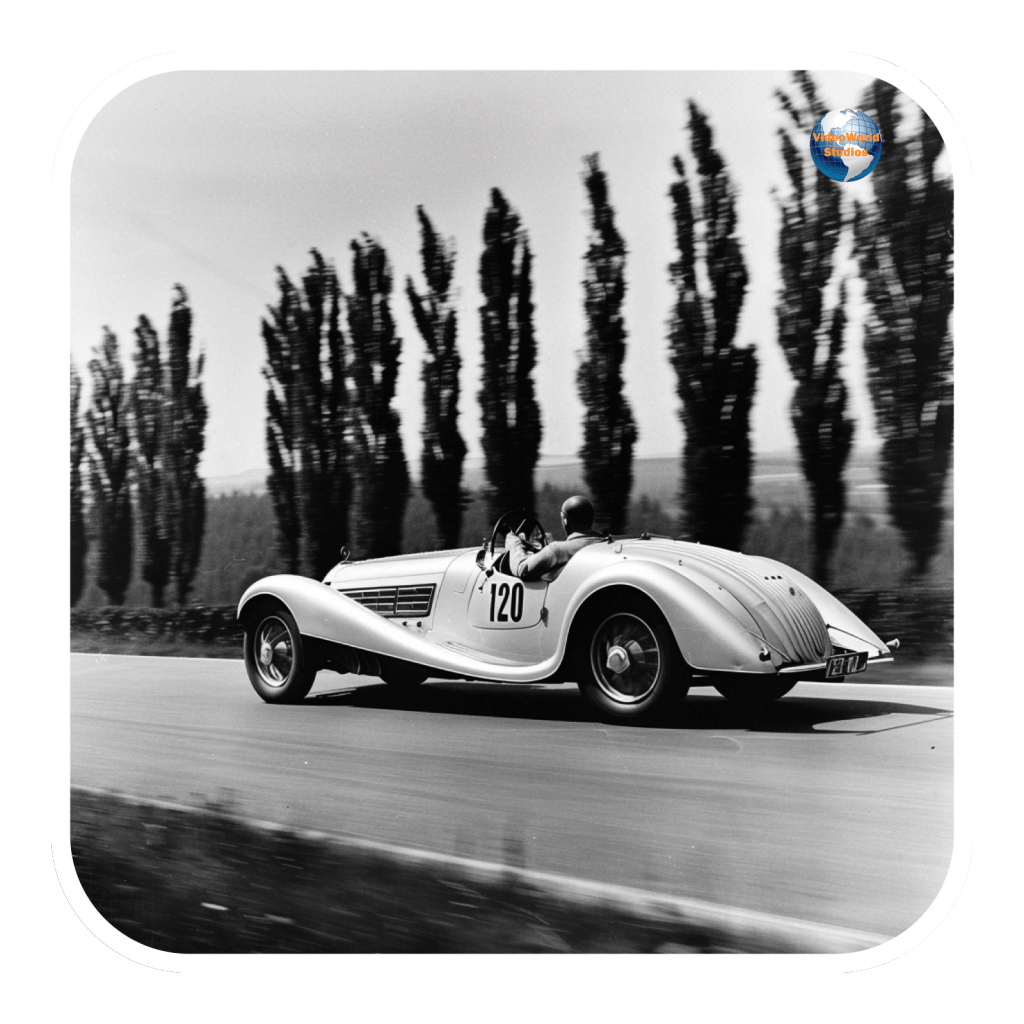
The SSK is a rare, valuable car, prized by the elite, with few surviving examples found in museums and private collections.
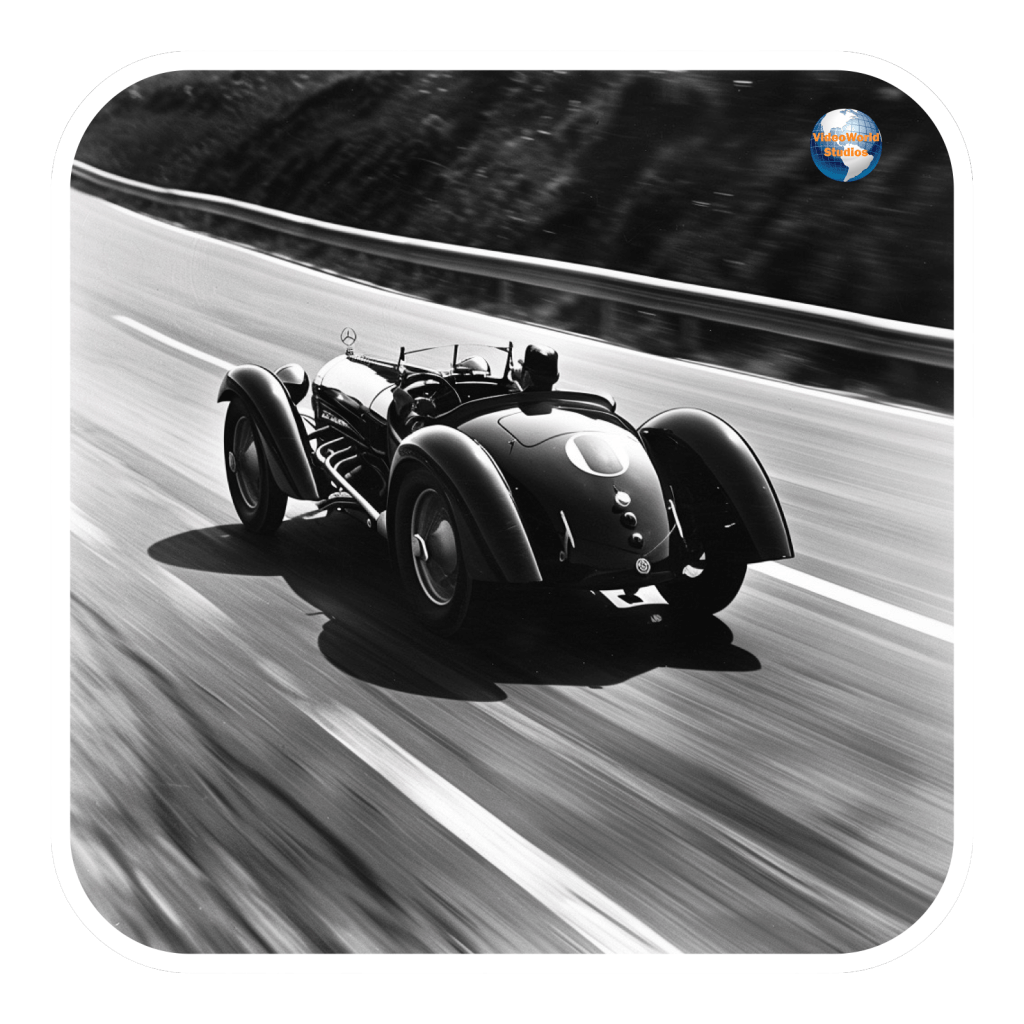
Rudolf Caracciola, a legendary driver of the era, described the W125 as “a car that felt like flying,” with its 637-horsepower engine dominating the Grand Prix circuits.
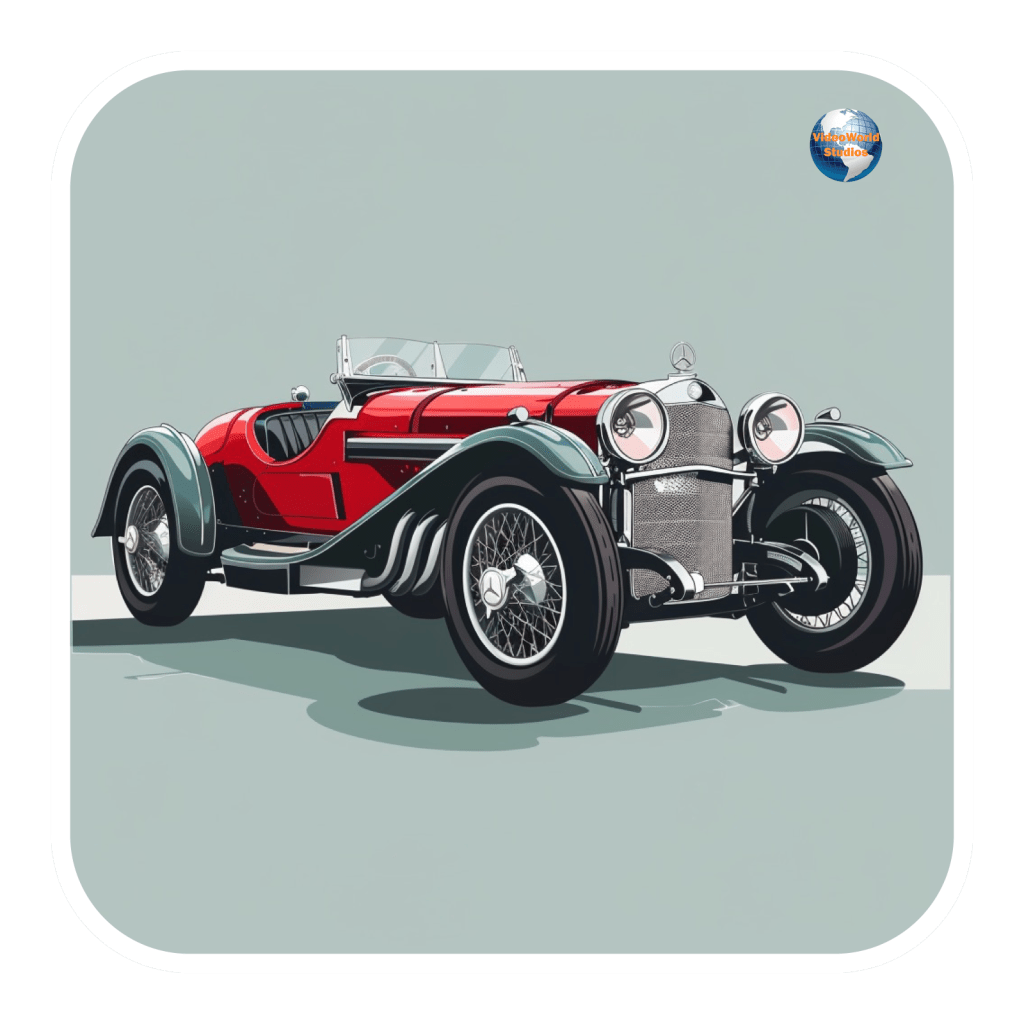
1932 Mercedes-Benz SSK W06
Its design was characterized by a strikingly aggressive stance. It had a long, sweeping hood that housed its formidable 7-litre supercharged straight-6 engine.

1932 Mercedes-Benz SSK W06
This engine was a marvel of its time. It produced between 200 to 300 metric horsepower. This was extraordinary for the early 1930s.
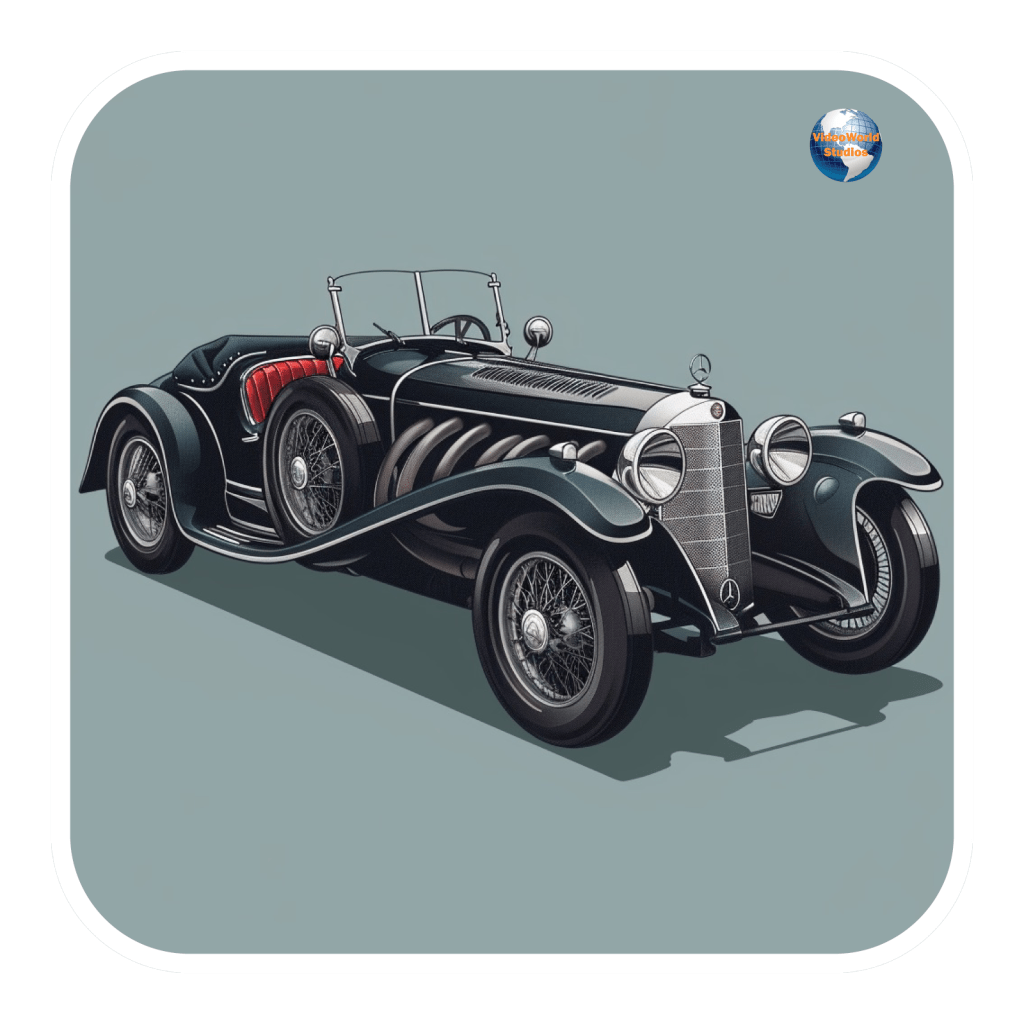
1932 Mercedes-Benz SSK W06
The SSK reach speeds of up to 120 miles per hour. This made it the fastest road car in the world at the time.
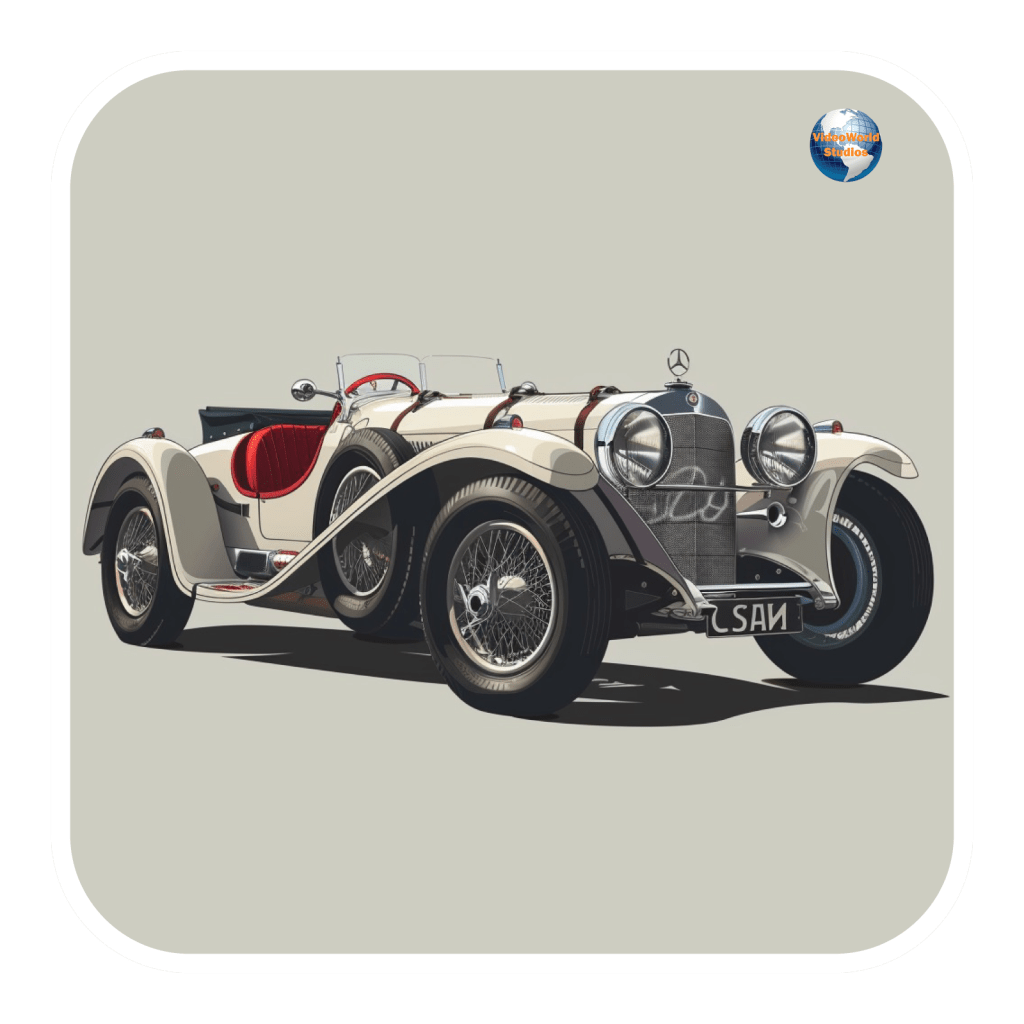
1932 Mercedes-Benz SSK W06
This blend of speed and design made the SSK not just a car. It became a symbol of the high-performance ethos. Mercedes-Benz continues to embody this ethos today.

1932 Mercedes-Benz SSK W06
Beyond its engineering prowess, the SSK was a rare and exclusive automobile, with only about 33 units ever built.
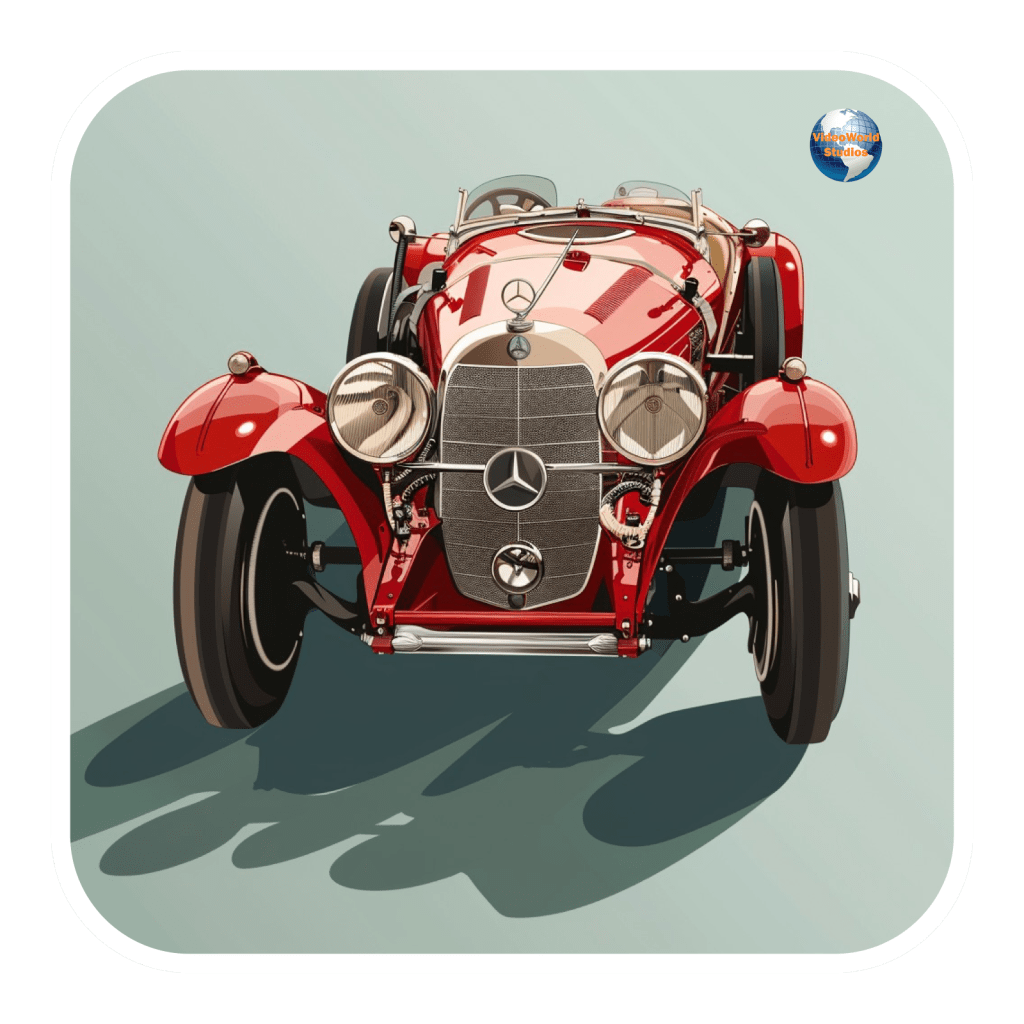
1932 Mercedes-Benz SSK W06
This car’s scarcity stems from its rich racing history and legendary drivers like Rudolf Caracciola, making it a coveted collector’s item valued for its rarity and timeless design, while its engineering legacy captivates enthusiasts globally.

1932 Mercedes-Benz SSK W06
The 1937 Mercedes-Benz Silberpfeil W125: A Record-Breaking Racing Machine
Rudolf Caracciola set the world speed record on February 28, 1938, reaching 432.7 km/h. This record stood for 79 years until the Koenigsegg Agera RS achieved an astonishing 457.94 km/h in 2017.

1937 Mercedes-Benz Silberpfeil W125
The 1937 Mercedes-Benz Silberpfeil W125 was a racing car that dominated the Grand Prix circuit in its year of debut.

1937 Mercedes-Benz Silberpfeil W125
An intensive development program by Mercedes-Benz aimed to create the ultimate racing machine, adhering to regulations that limited the car weight to 750 kg (1,650 lb) without fuel, oil, water, or tires.
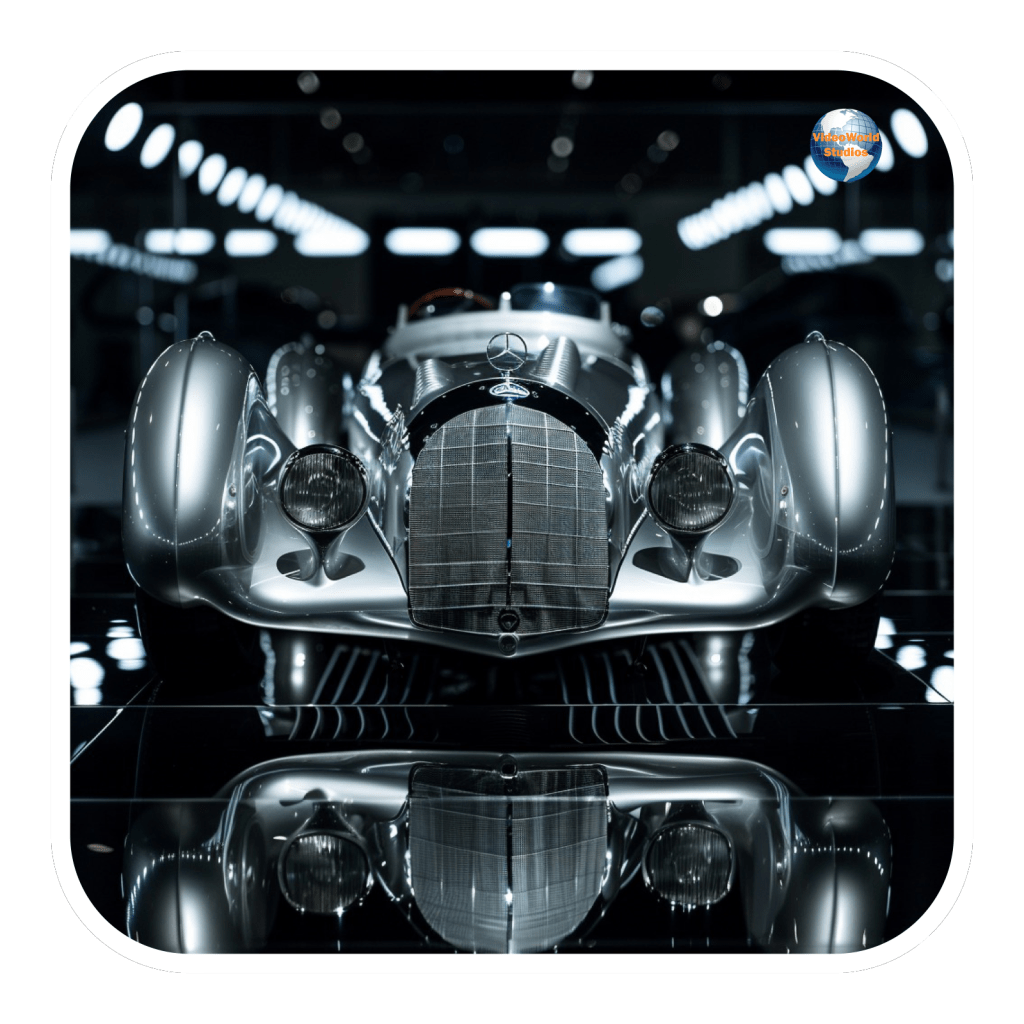
1937 Mercedes-Benz Silberpfeil W125
The Silberpfeil, designed by Rudolf Uhlenhaut, was a powerful and lightweight car with a top speed of 320 km/h.
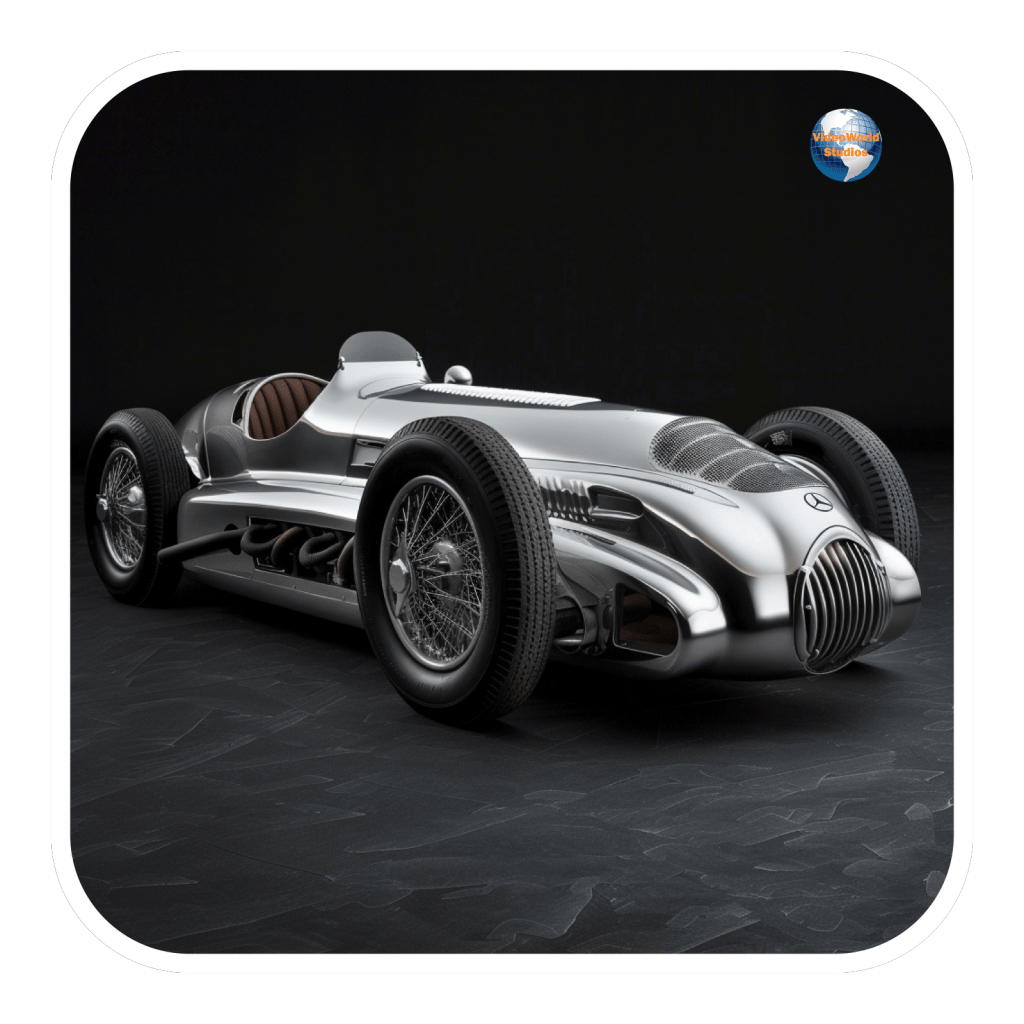
1937 Mercedes-Benz Silberpfeil W125
The car, driven by skilled racers, won 6 out of 12 races, achieving notable records like the fastest Grand Prix lap and highest speed, leaving a lasting impact on the racing world.
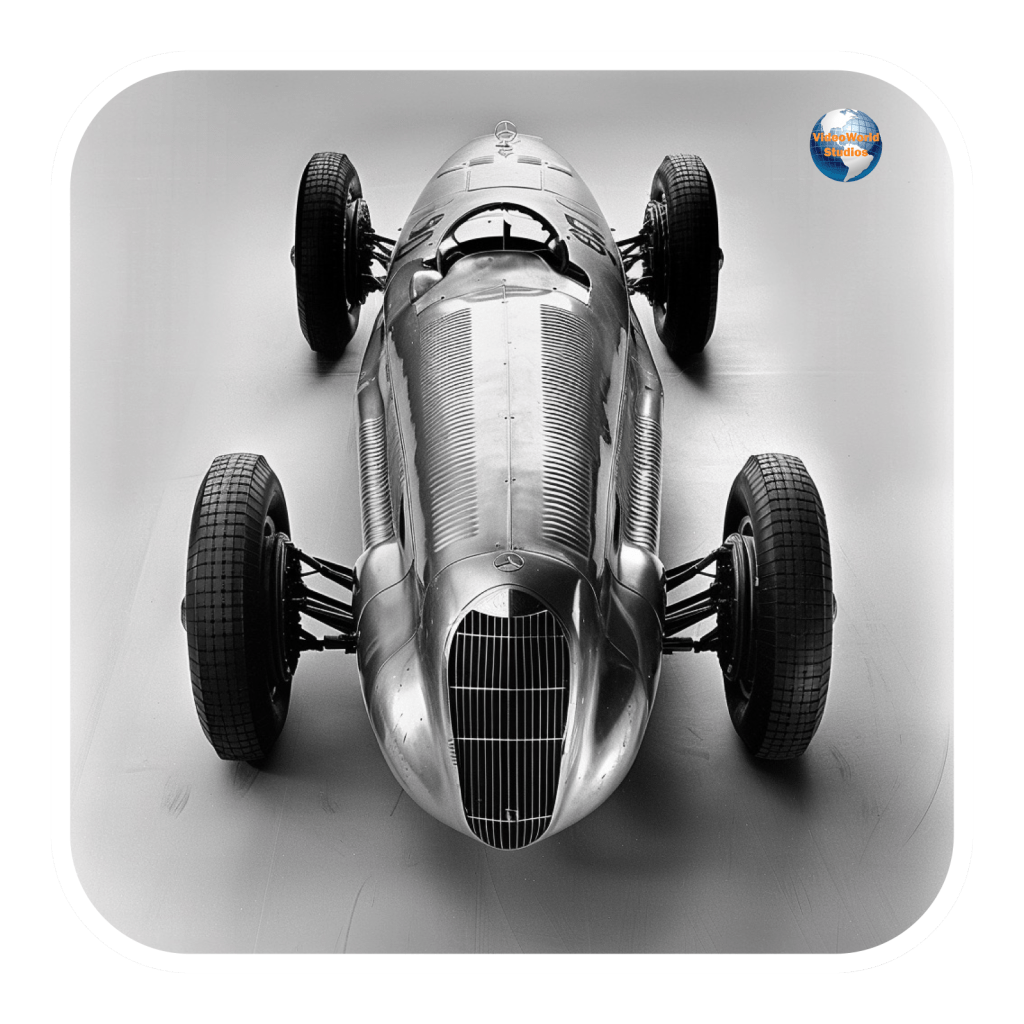
1937 Mercedes-Benz Silberpfeil W125
The car symbolized the political rivalry between Nazi Germany and Fascist Italy, highlighting their technological and military strength, and hinting at the outbreak of World War II.

1937 Mercedes-Benz Silberpfeil W125
While the SSK dominated the roads, the 1937 Mercedes-Benz Silberpfeil W125 (Silver Arrow) took the racetracks by storm.

1937 Mercedes-Benz Silberpfeil W125
This vehicle was developed specifically for the 1937 Grand Prix season. It quickly became a symbol of Mercedes-Benz’s dominance in motorsport during the pre-war era. With its sleek, aerodynamic body and powerful engine, the W125 was a beast on the track.
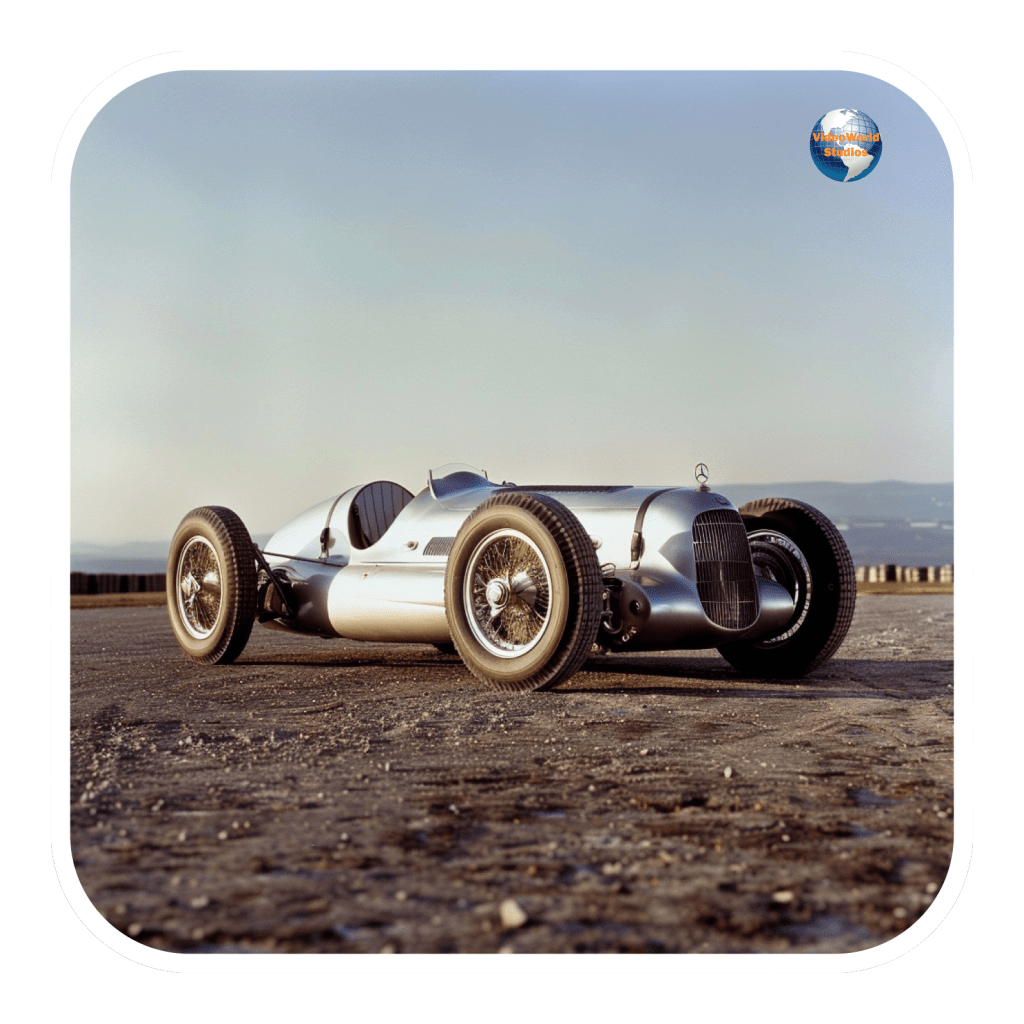
1937 Mercedes-Benz Silberpfeil W125
The W125 was powered by a supercharged 5.6-liter inline-8 engine that produced an astonishing 637 horsepower, a figure that remains impressive even by modern standards.
Engine
- Layout: front longitudinal
- Displacement: 5,660 cc
- Cylinders: 8 cylinders in line
- Bore x stroke: 94.0 × 102.0 mm
- Compression: 8.8 to 1
- Cooling: water
- Power/speed: 592 hp 5,800 rpm
- Torque/speed: 926.0 Nm 3,000 rpm
- Specific power: 105 hp/L
- Feed: two suction carburettors
- Aspiration: Roots compressor
- Distribution: DOHC, four valves per cylinder
- Fuel: mixture of methanol, benzene and gasoline

1937 Mercedes-Benz Silberpfeil W125
This immense power allowed the W125 to reach speeds of up to 193 mph on the Spa-Francorchamps circuit in Belgium. It made it one of the fastest racing cars of its time.
Transmission
- Drive: rear
- Gearbox: 4-speed manual
- Frame
- Body: racing single-seater made of aluminium
- Chassis: tubular nickel-chrome-molybdenum steel
- Front suspension: independent, double wishbone with springs and hydraulic shock absorbers
- Rear suspension: De Dion axle with torsion bars and hydraulic shock absorbers
- Brakes: 400 mm drums on all four wheels
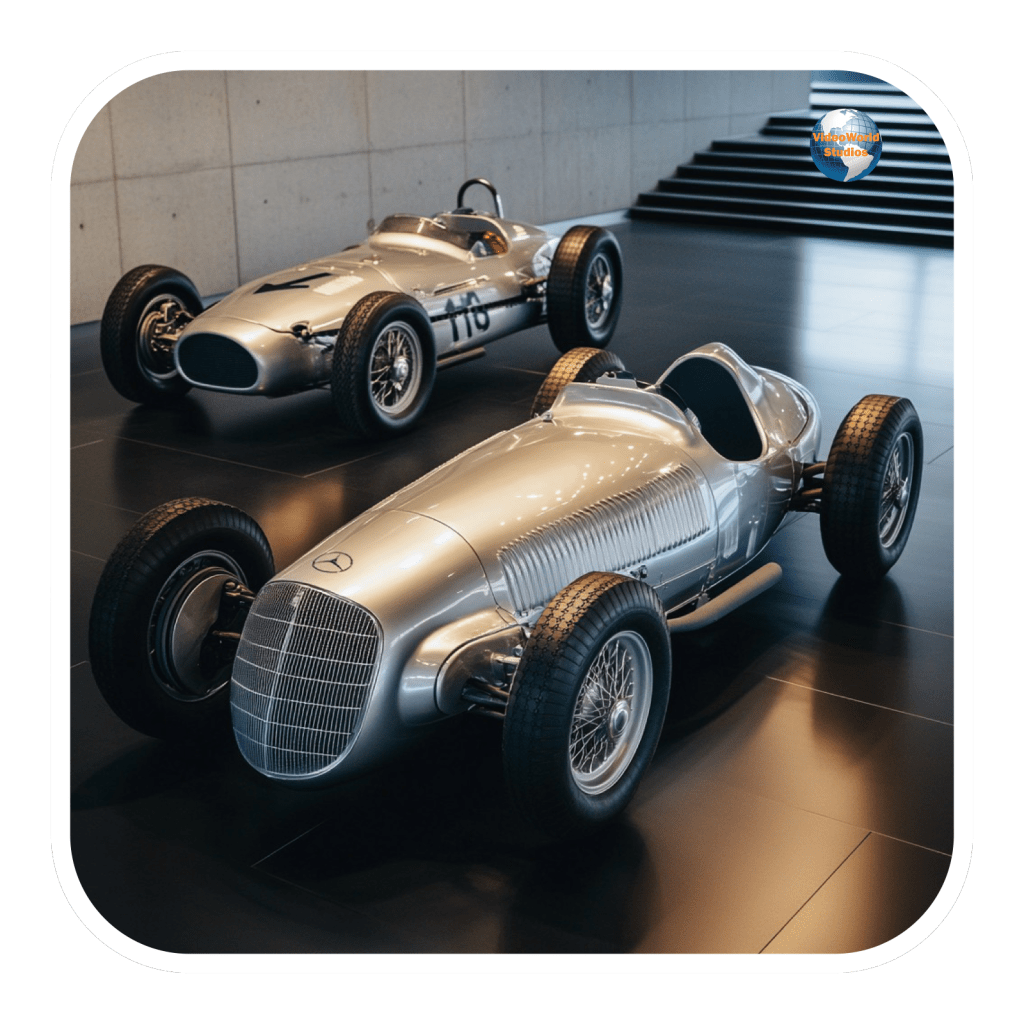
1937 Mercedes-Benz Silberpfeil W125
The aesthetics of the W125 were just as remarkable as its performance. The car’s streamlined design was a perfect match for its raw speed. Its body seemed to glide through the air effortlessly. The W125 was not just a racing car.
Measurements

- Length/Width/Height: 4,200/1,750/1,200 mm
- Tracks and wheelbase: 1,473 (front)-1,412 (rear)/2,798 mm
- Empty weight: 750 kg
- Wheels: 5.25×17 (front) / 7×19 (rear)
- Performance
- Maximum speed: 330 km/h
It was a statement of intent from Mercedes-Benz. It showcased the brand’s commitment to pushing the boundaries of automotive technology and design.
The Legacy of 1930s Mercedes-Benz Cars
The SSK and W125 are celebrated not only for their technical achievements but also for their cultural and aesthetic impact on automotive design, characterized by bold curves and meticulous details that continue to influence car design today.

1935 Mercedes-Benz
Moreover, these cars exemplify innovation during the challenging 1930s, a time marked by global upheaval. Mercedes-Benz created high-performance vehicles that embodied beauty and elegance, offering a brief escape from the era’s struggles.
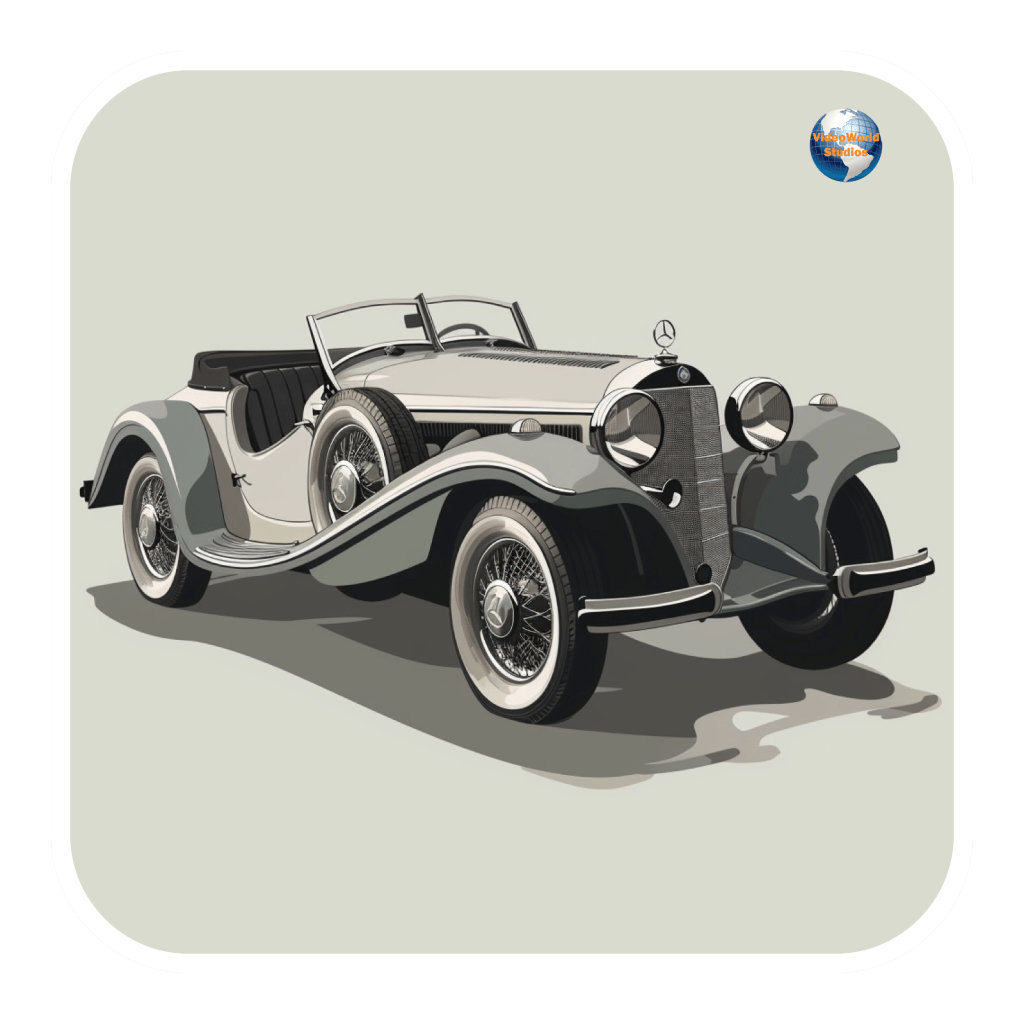
1935 Mercedes-Benz
In conclusion, the 1930s were crucial for Mercedes-Benz, showcasing legendary vehicles like the SSK and W125, which exemplify the brand’s blend of form and function.

1935 Mercedes-Benz
These cars are remarkable creations that highlight the evolution of automotive design and symbolize human achievement in engineering.

1935 Mercedes-Benz
Bibliography and sources
- Mercedes-Benz SSK – Wikipedia.
- 1937 Mercedes-Benz W125
- Classic Mercedes-Benz SSK For Sale
- 1932 to 1939 Mercedes-Benz for sale
- Mercedes-Benz W125
Explore the awe-inspiring era of automotive design! Immerse yourself in our blog post about the legendary 1930s Mercedes-Benz SSK W06 and Silberpfeil W125.
These masterpieces revolutionized speed, design, and innovation while dominating Grand Prix racing and establishing a benchmark for luxury in the automotive industry. 🏆
🏎️ #BrandIdentity #LuxuryCars #AutomotiveHistory #AutomotiveBlog #MotorLegends #exhibition #collections #collecting #miniatures #miniatures #acrylic #displays #decoration #innovation #branding #retail #retaildesign #retailers #retailinnovation #Style #stores#MercedesBenz #ClassicCars #AutomotiveHistory #VintageCars #CarLovers #cursodecoleccionismo #autosminiatura #ai #aiart #RacingLegends


 SIGNAL GROUP
Leave a comment