

The Dodge Daytona, born from the Charger model, has etched its name in automotive history.

Through a combination of bold design, and innovative aerodynamics, the 1969 Dodge Charger Daytona achieved remarkable racing achievements.

In this blog post, we will delve into its fascinating origin, the groundbreaking aerodynamic research of the late 1960s.


https://amzn.to/49EVrm4 
https://amzn.to/3T0b6XB 
https://amzn.to/48nJ8JR 
https://amzn.to/3SFs1xj 
https://amzn.to/3SYEU6R 
javascript:void(0) 
https://amzn.to/3SFs1xj 
https://amzn.to/3uNdMOR 
https://amzn.to/3uNdMOR 
https://amzn.to/49krWWI 
https://amzn.to/49Hku87 
https://amzn.to/3wstbEI 
https://amzn.to/48kUQ7Z 
https://amzn.to/3SFs1xj 
https://amzn.to/3OJz1Ij 
https://amzn.to/3uNe5sZ 
https://amzn.to/3uGBrAz 
https://amzn.to/3I2Ix5l
You will get technical specifications, videos of its fierce competitions, the record-breaking runs on the Bonneville Salt Flats, cinematic appearances, and its present-day legacy with a glimpse into the future as an electric model.
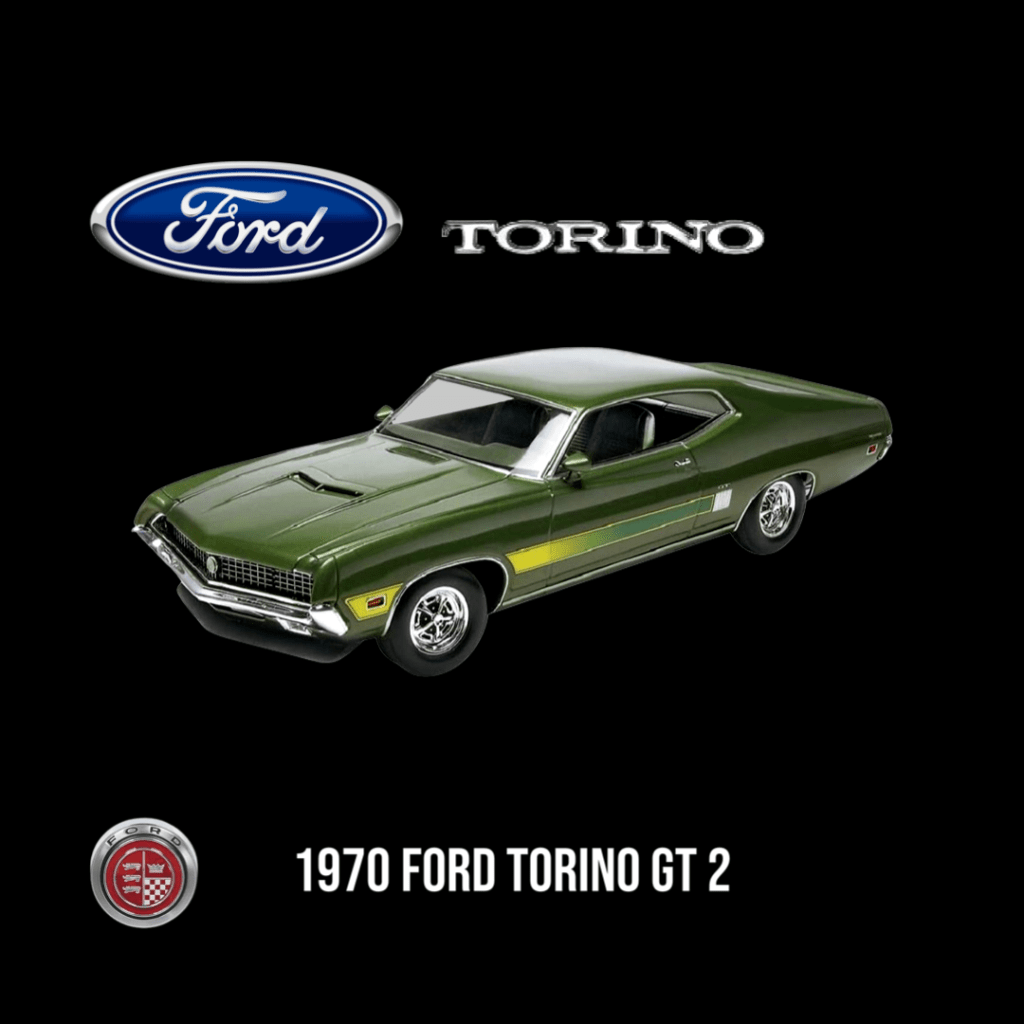
The Dodge Daytona, Ford Torino, and Plymouth Superbird were all designed with aerodynamics in mind to improve their performance on the racetrack.

The Ford Torino Talladega and Mercury Cyclone Spoiler were developed in response to the Mopar aero car, and featured longer noses and a more aero-forward design.
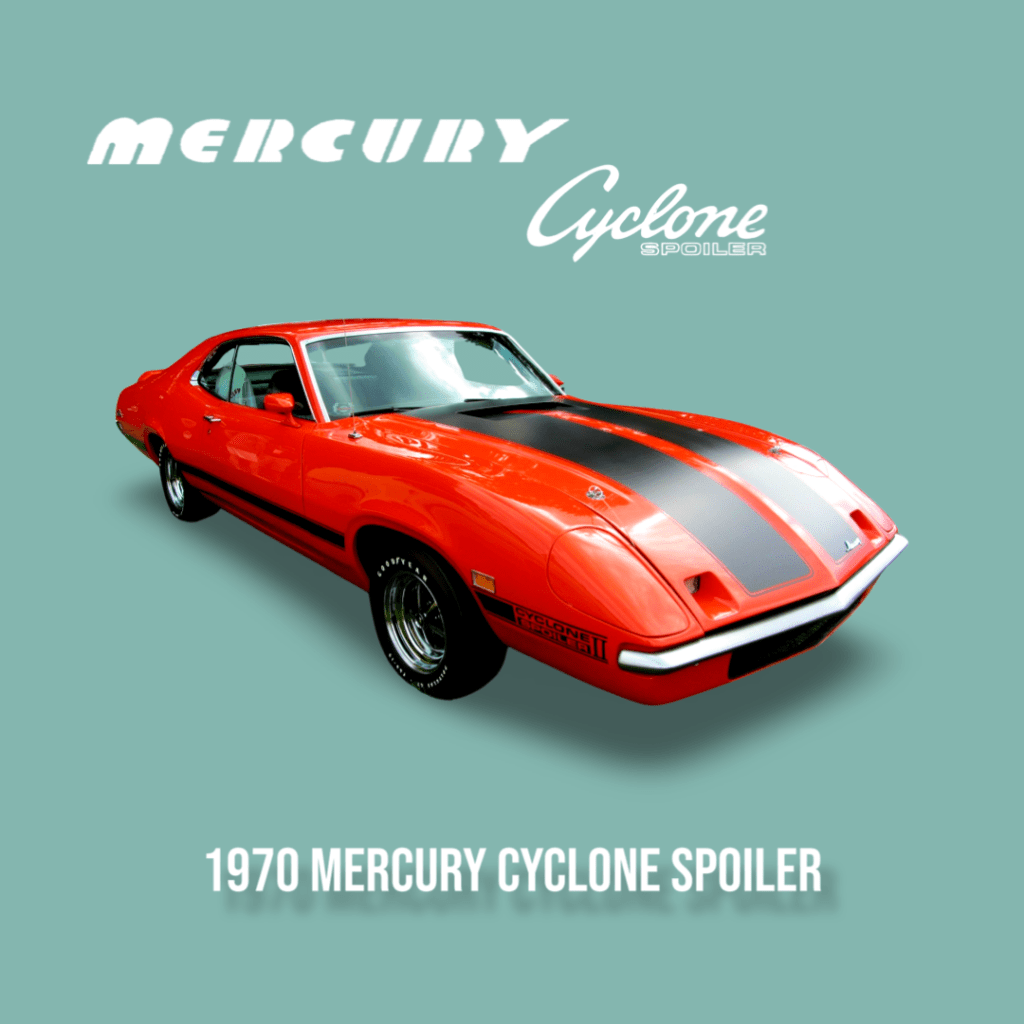
The Torino Talladega had a drag coefficient of around 0.28, which makes it more aerodynamically advanced than the McLaren P1.

The Plymouth Road Runner Superbird had a drag coefficient of around 0.28 as well, which was achieved through its sloped nose cone, flush-mounted grille, and high rear wing.
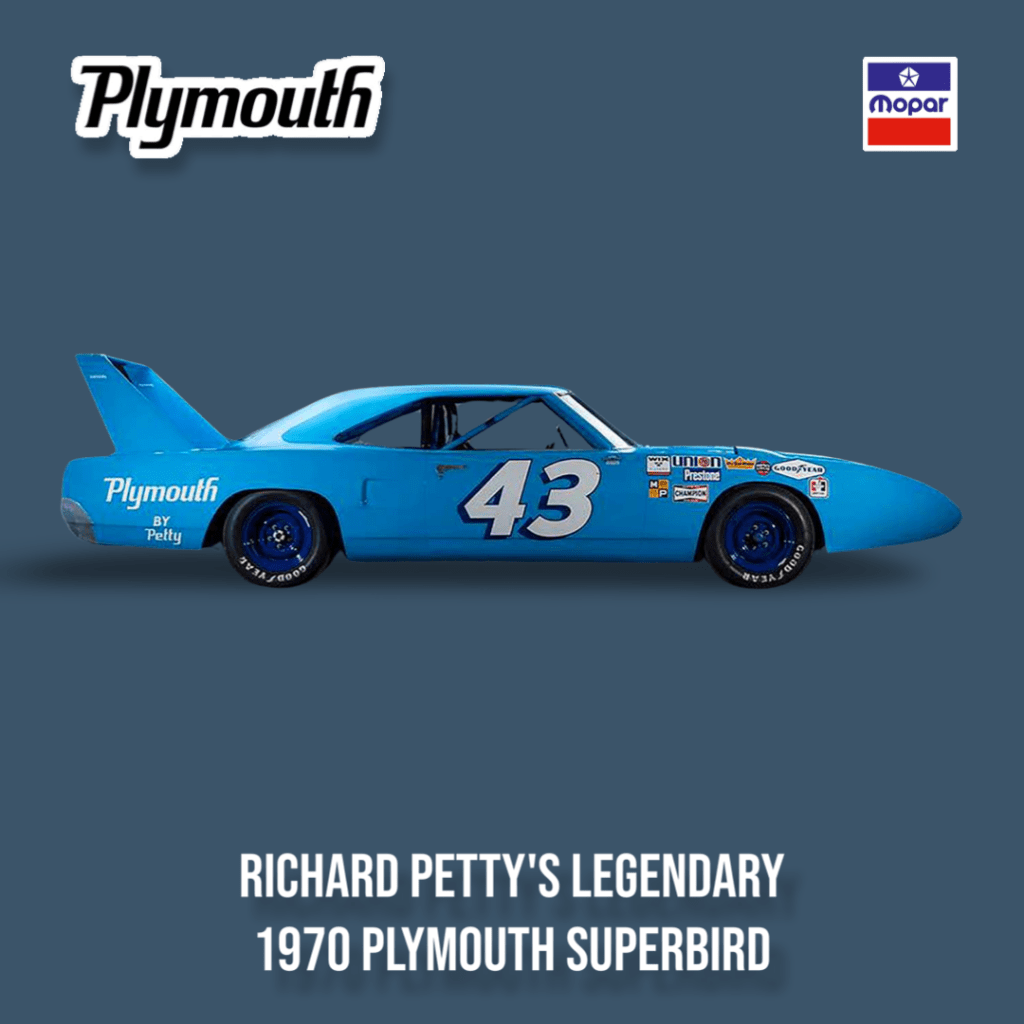
These cars were all designed to be faster and more stable on the racetrack, and their aerodynamic features helped them achieve that goal.

In the late 1960s, Dodge aimed to dominate NASCAR racing, leading to the birth of the Daytona model.

Originally an extension of the Charger, the Daytona underwent significant transformations to enhance aerodynamics and speed.

Un negocio billonario: Hot Wheels • Matchbox • Mattel
Origin and Evolution:
The quest for speed pushed engineers to explore aerodynamics like never before. The iconic pointed nose and towering rear wing were results of meticulous research and testing.
The 1969 Daytona marked a turning point in NASCAR with its streamlined design, setting new standards for performance.

Aerodynamic Breakthrough:
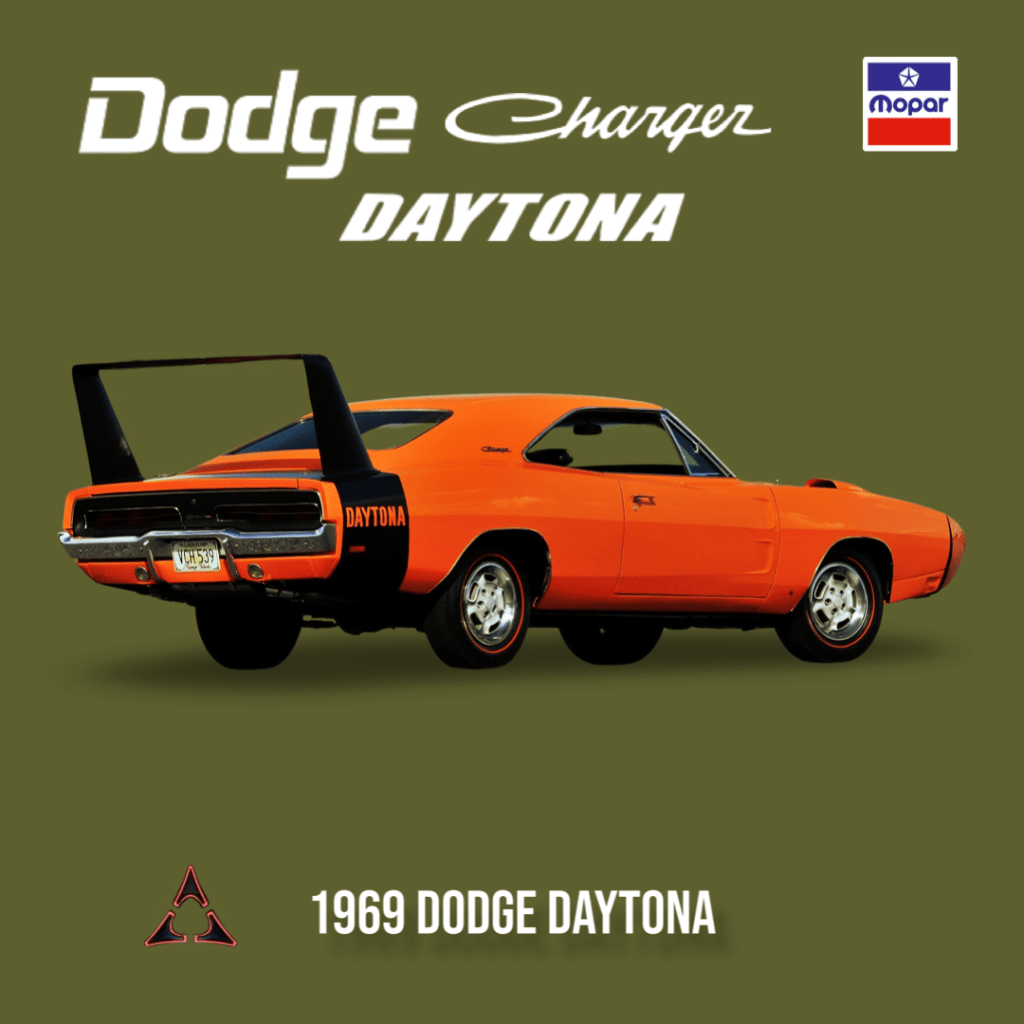
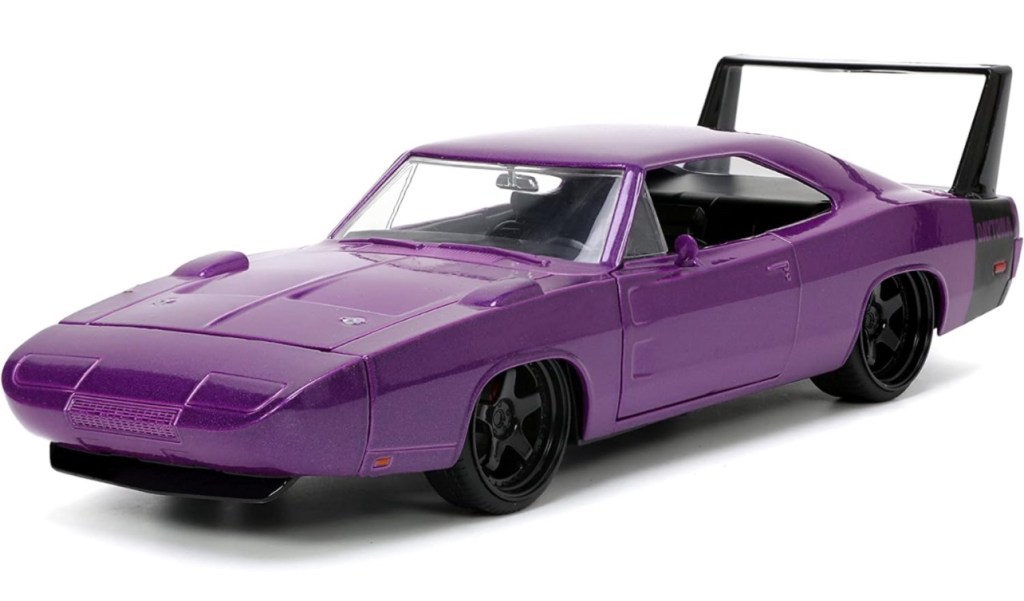
One of the two famous aero-cars, the Dodge Daytona had featured special body modifications that included a 23-inch-tall (584 mm) stabilizer wing on the rear deck.
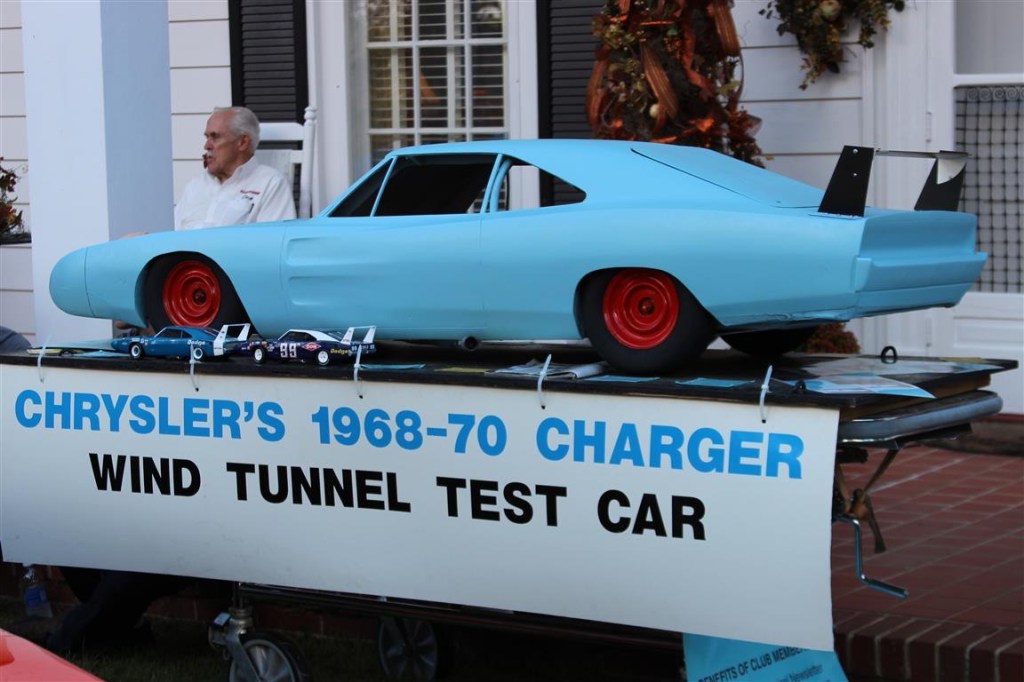
3/8 scale wind tunnel test car model
A special sheet-metal “nose cone” that replaced the traditional upright front grill, a flush rear backlight (rear window area), a ‘window cap’ to cover the original Charger’s recessed rear window.
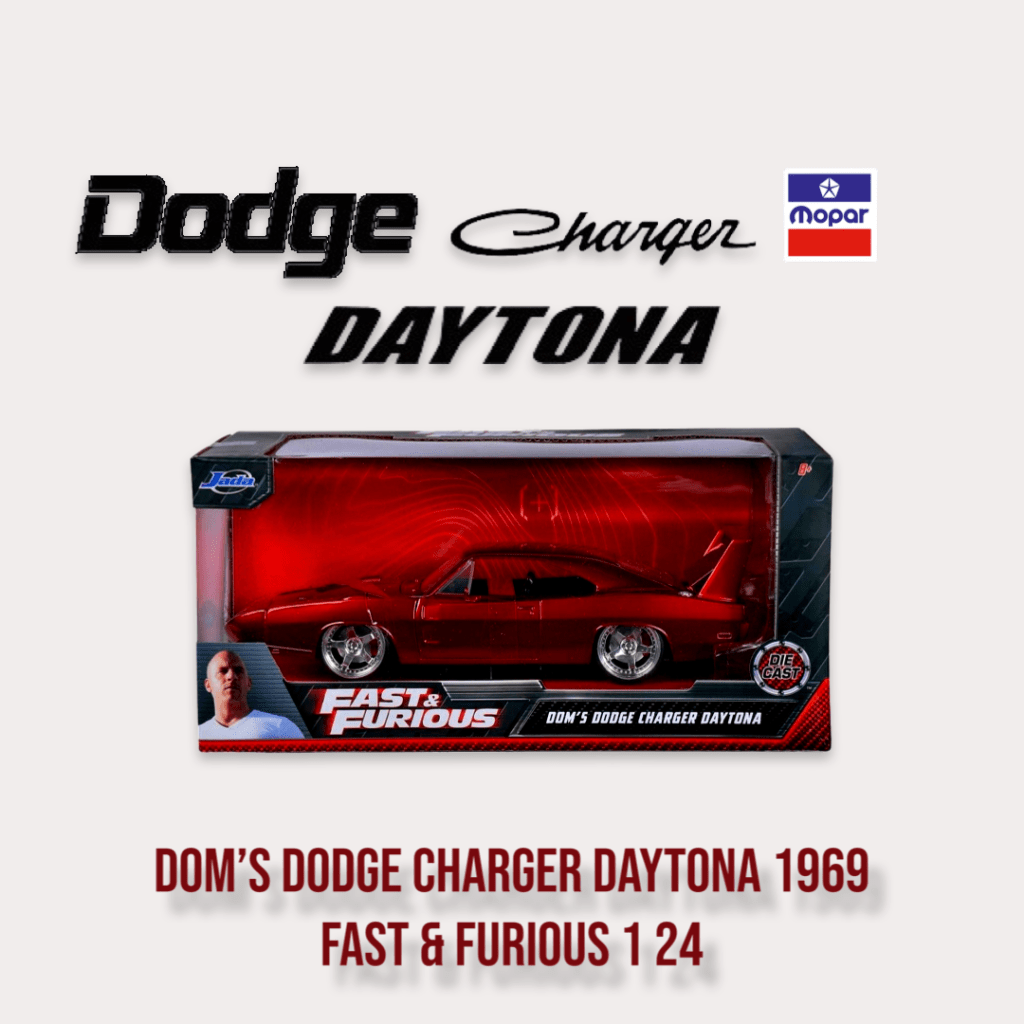
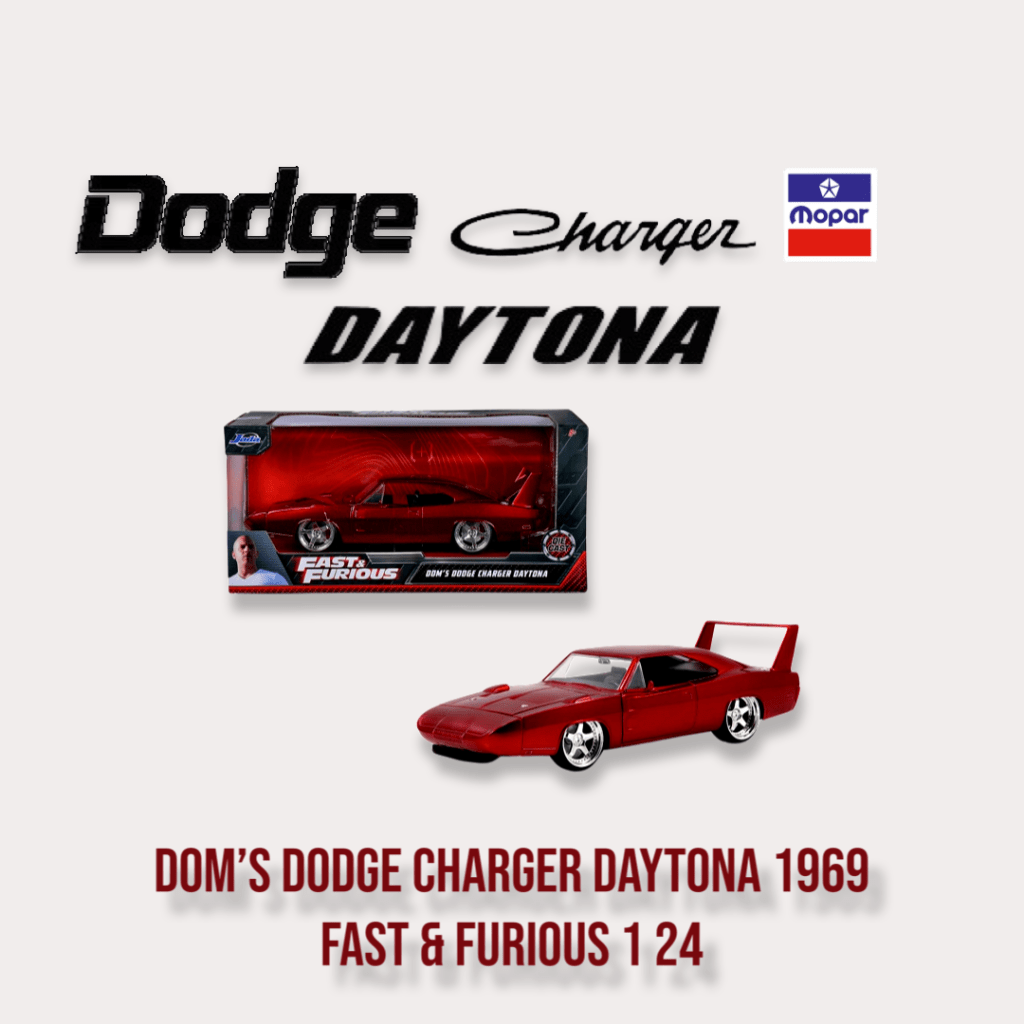
Dodge Charger Daytona 1969 Fast & Furious 1 24
The 1969 Dodge Charger Daytona was rare only 503 were produced


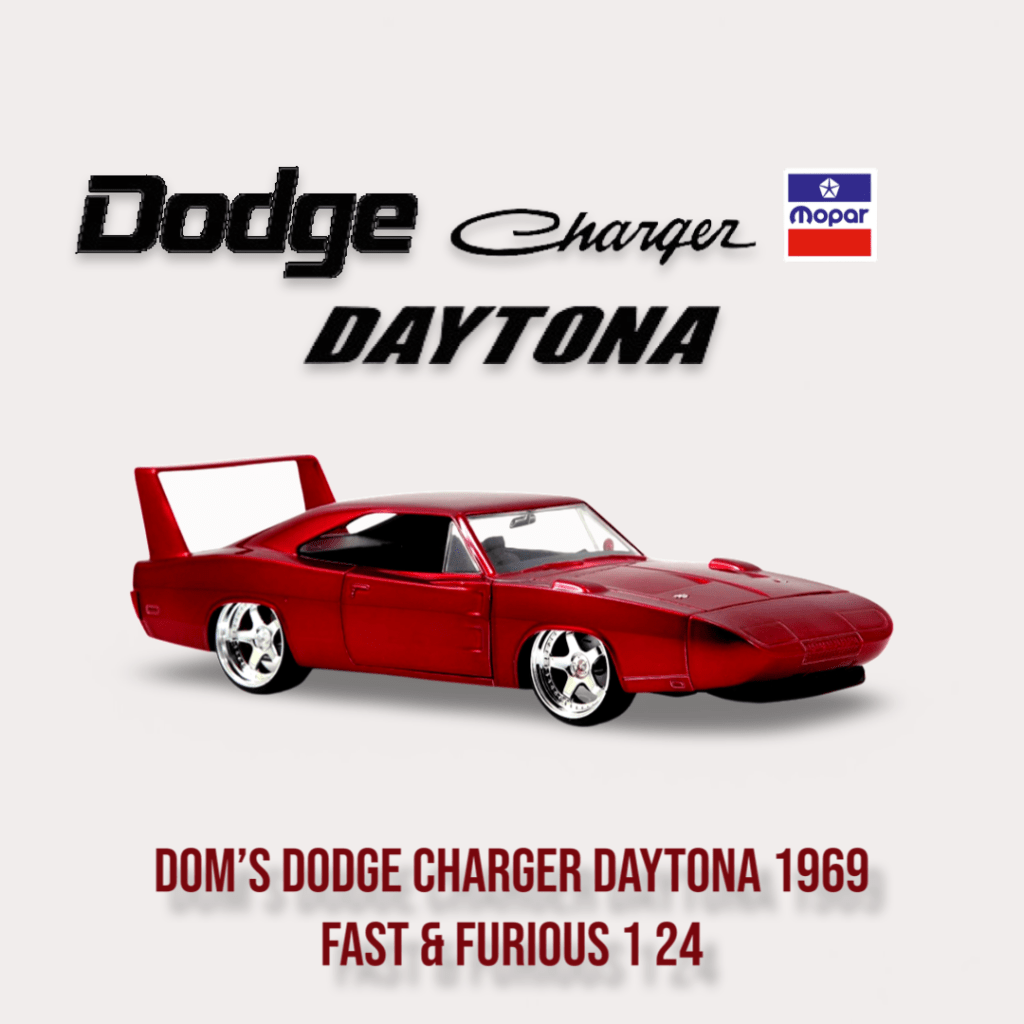

Specific front fenders and hood that were modeled after the upcoming 1970 Charger, stainless steel A-pillar covers and fender mounted cooling scoops.
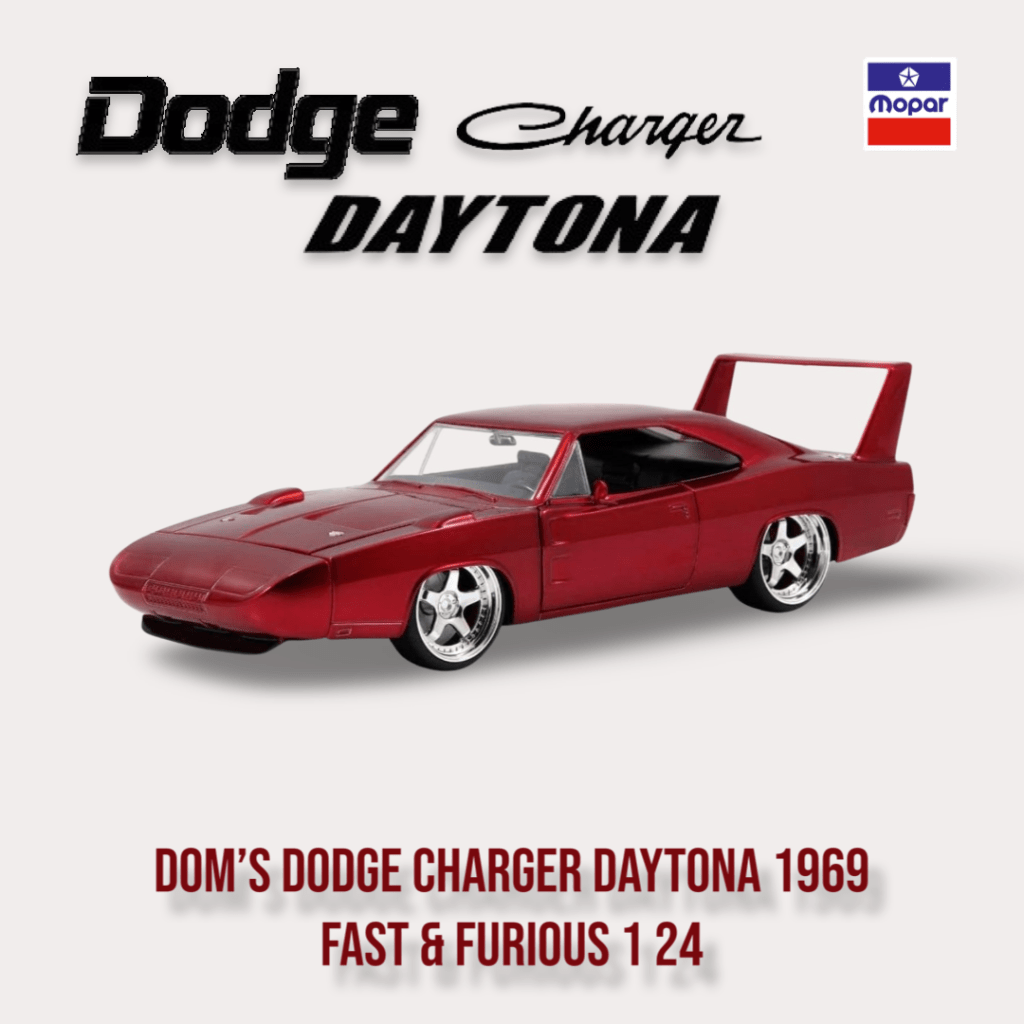
The Daytona was built on the 1969 Charger’s R/T trim specifications, meaning that it carried a heavy-duty suspension and brake setup and was equipped with a 449 cu in (7.2L) Magnum engine as standard.

Technical Specifications
Full Specifications
Power output 390 hp (291 kW), 425 hp (317 kW) and 490 lb⋅ft (664 N⋅m) of torque
Transmission 4 speed manual • 3 speed automatic Torqueflite 727
Dimensions Wheelbase 117 in (2,972mm) • Lenght 226.5 in (5,753mm)
NASCAR Dominance and Rivalries:
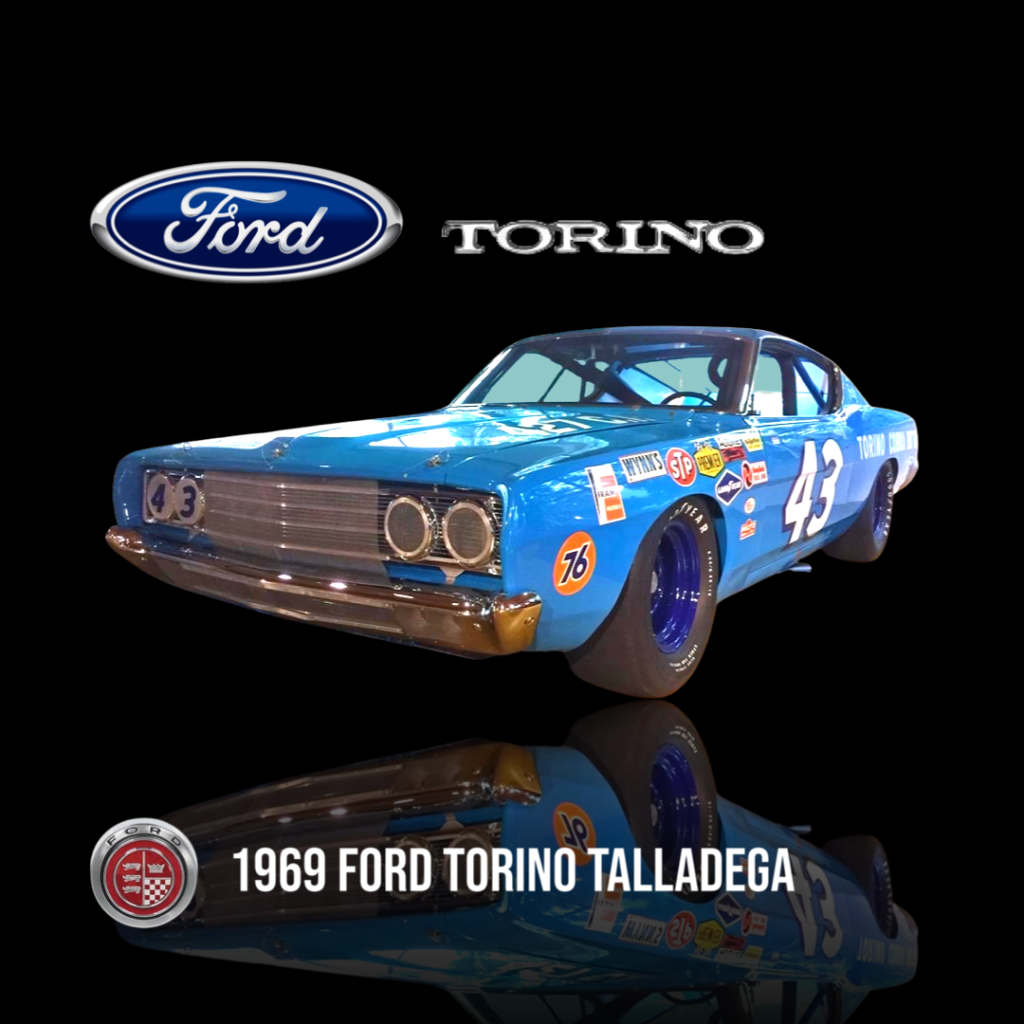
The Daytona faced fierce competition, notably against the Torino Talladega and Plymouth Superbird.
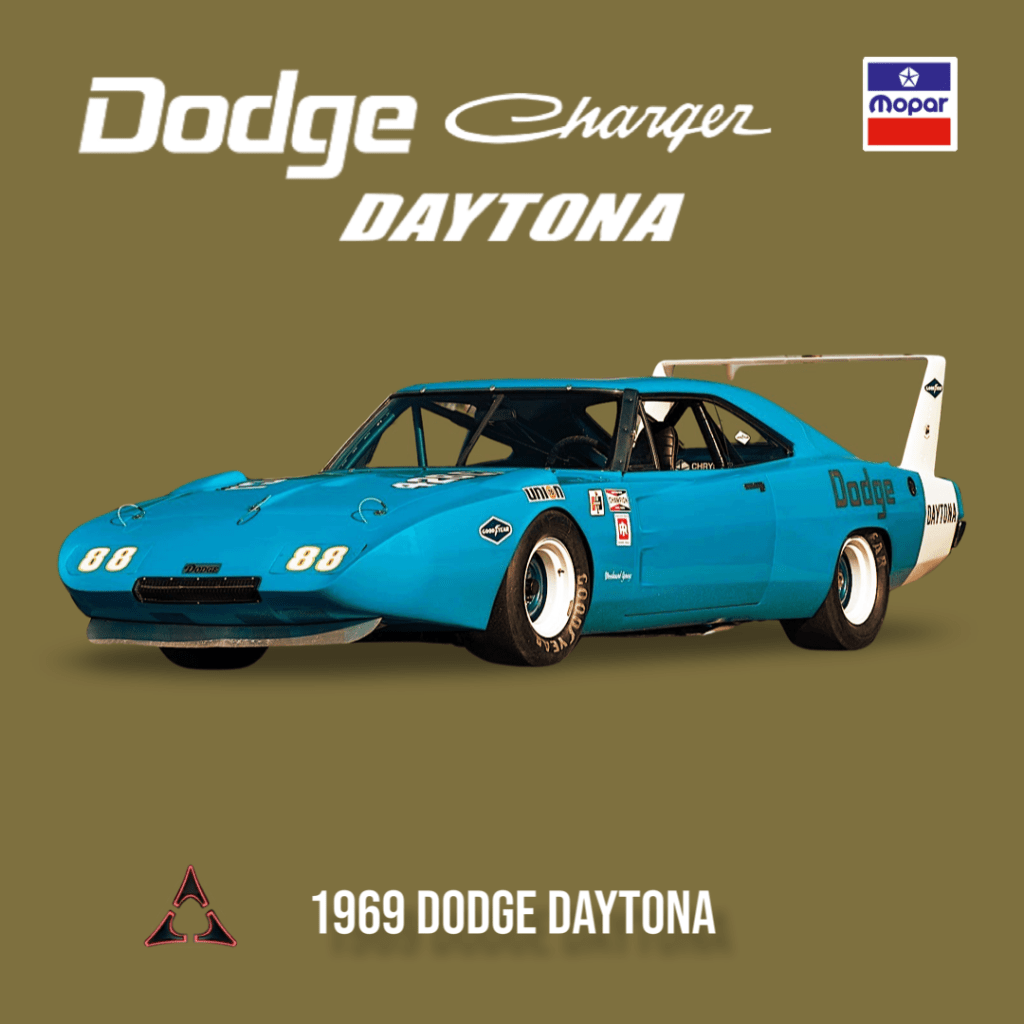
The 1969 Dodge Daytona won two races in 1969 and another four in 1970, for a total of six.
Its successor, the other winged warrior 1970 Plymouth Superbird, won eight races – all in 1970.
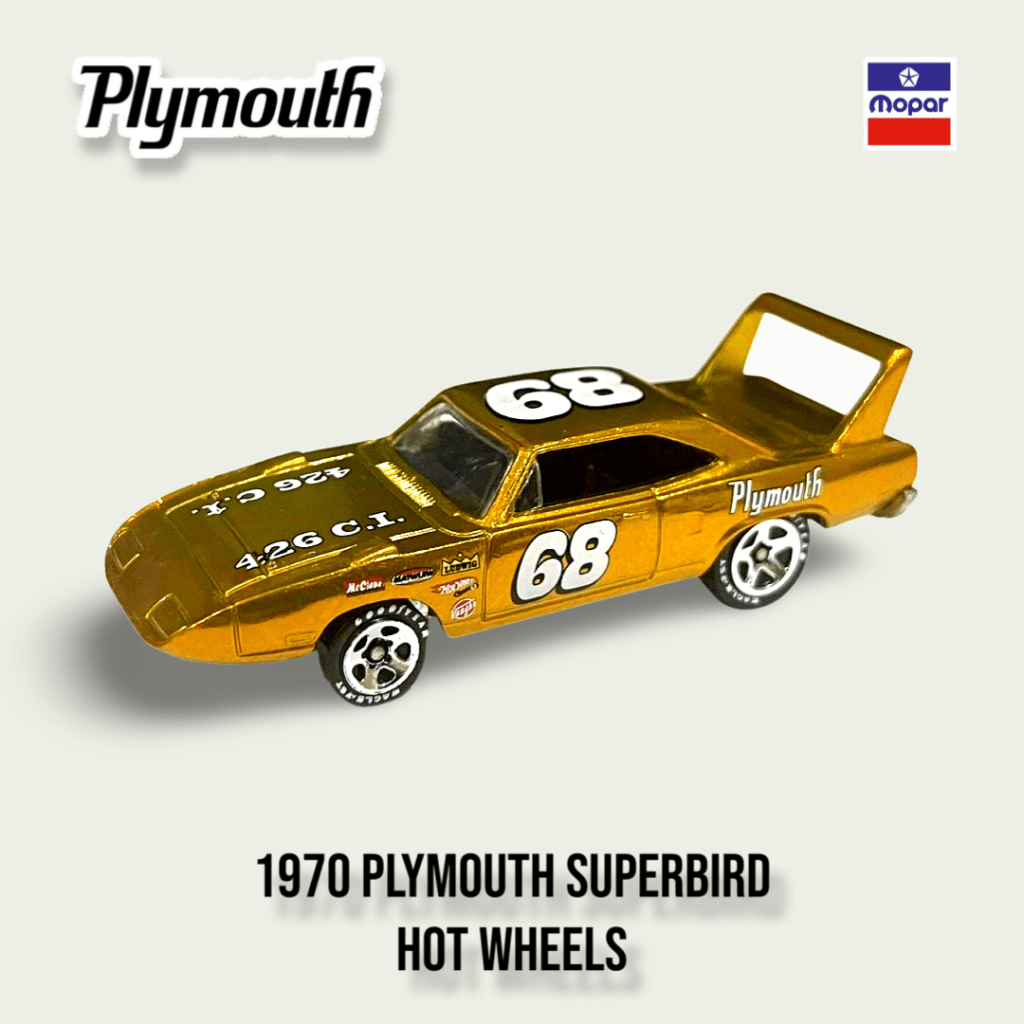
Dodge Daytonas also won on the USAC and ARCA race circuits. They set numerous race and pole records.
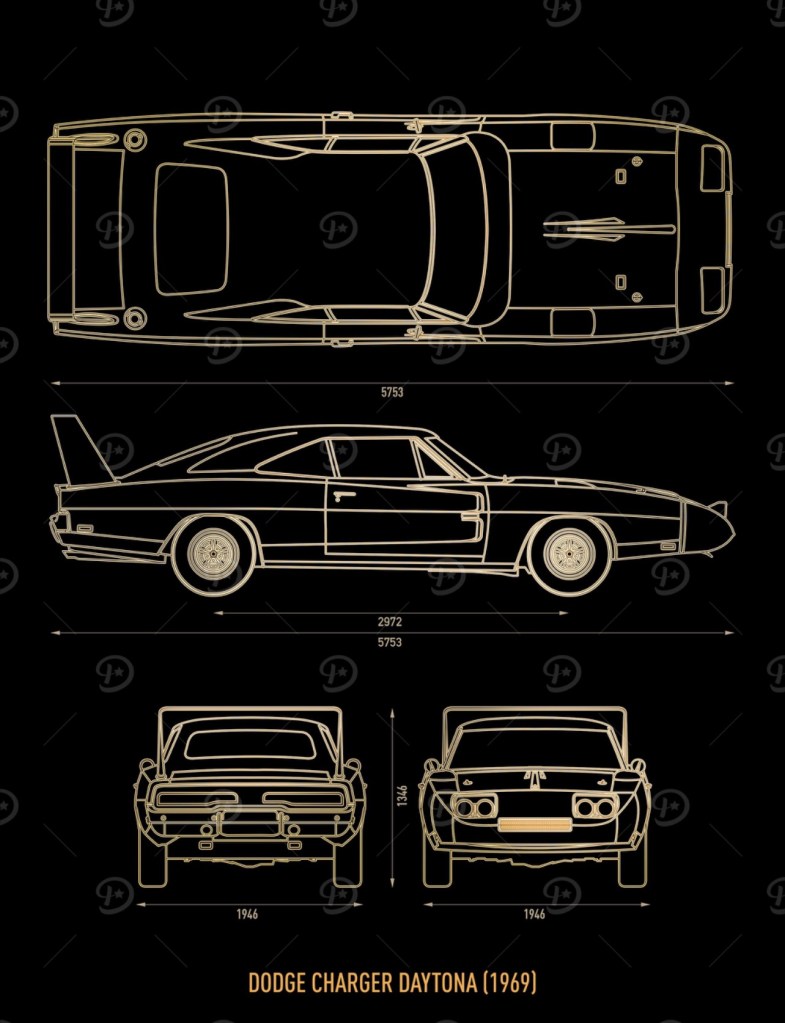
This era witnessed intense battles on the racetrack, with each model striving for supremacy.
The Dodge Daytona’s aerodynamic advantage often proved crucial in securing victories.

Because of their exceptional speed and performance, NASCAR subsequently changed the rule book, effectively banning all four of the Aero Cars from Dodge, Ford, Mercury, and Plymouth from competition by the end of 1970.

A One-of-a-Kind Dodge Charger Daytona sold for over One Million dollars $1,300,000 !
Bonneville Salt Flats Records:
Beyond NASCAR, the Daytona made headlines at the Bonneville Salt Flats, where it shattered records for speed. Buddy Baker, in the No. 99 Chrysler Engineering Dodge Charger Daytona, was the first driver in NASCAR history to break the 200 mph (322 km/h) mark, on March 24, 1970, at Talladega.
These achievements not only showcased the car’s exceptional capabilities but also solidified its place in automotive history.
Cinematic Legacy:
The Daytona transcended the racetrack, making memorable appearances in movies.
A Daytona appeared in the 2013 film Fast & Furious 6, driven by the character Dominic Torretto
Its on-screen presence in iconic films and games, further contributed to its legendary status, leaving an indelible mark on music, videos and popular culture.
EV Future Outlook:
Fast forward to the present, the Daytona’s legacy lives on.
Car enthusiasts continue to appreciate its historical significance, and modern iterations pay homage to its classic design.
Dodge Charger Daytona SRT rebirth as an electric model, combining tradition with innovation Concept previews the brand’s electrified future
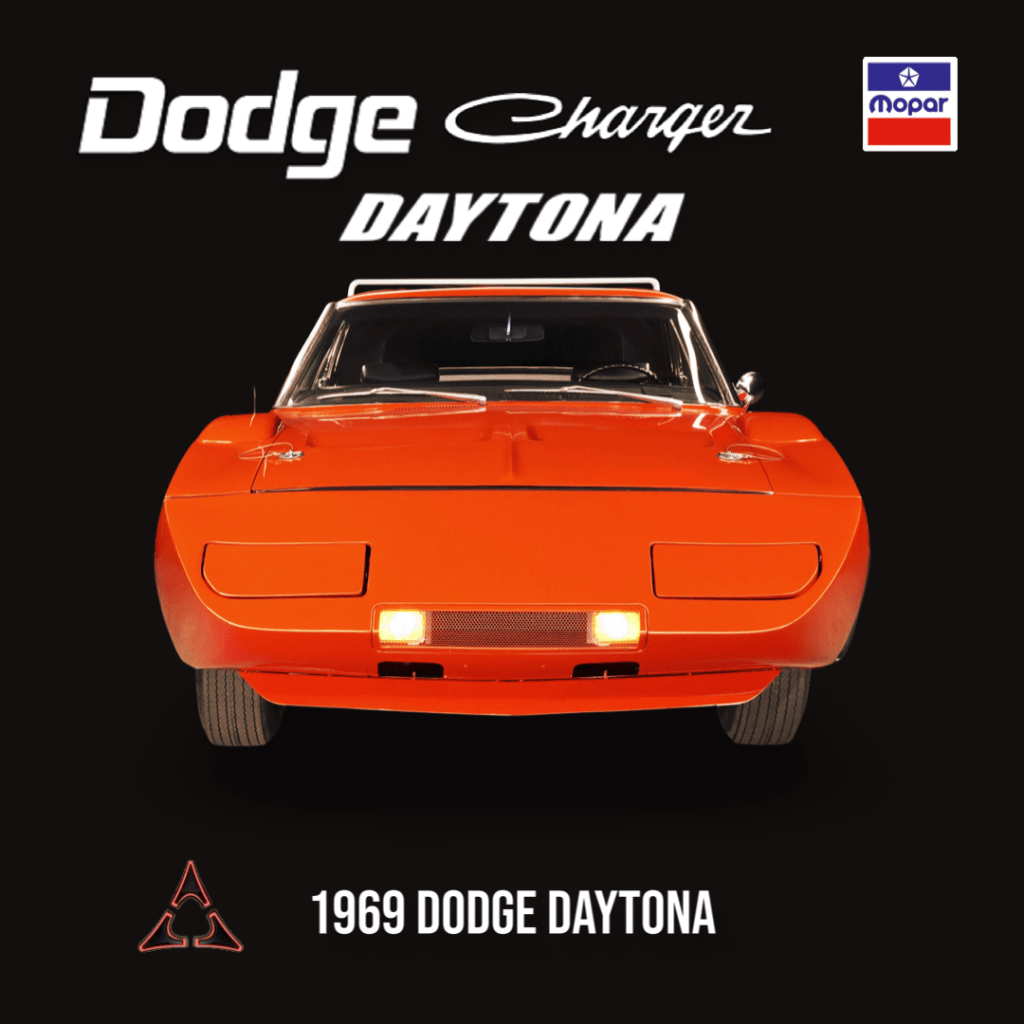
The Dodge Daytona’s journey from Charger variant to aerodynamic marvel, dominating NASCAR and breaking records, has left an enduring legacy.
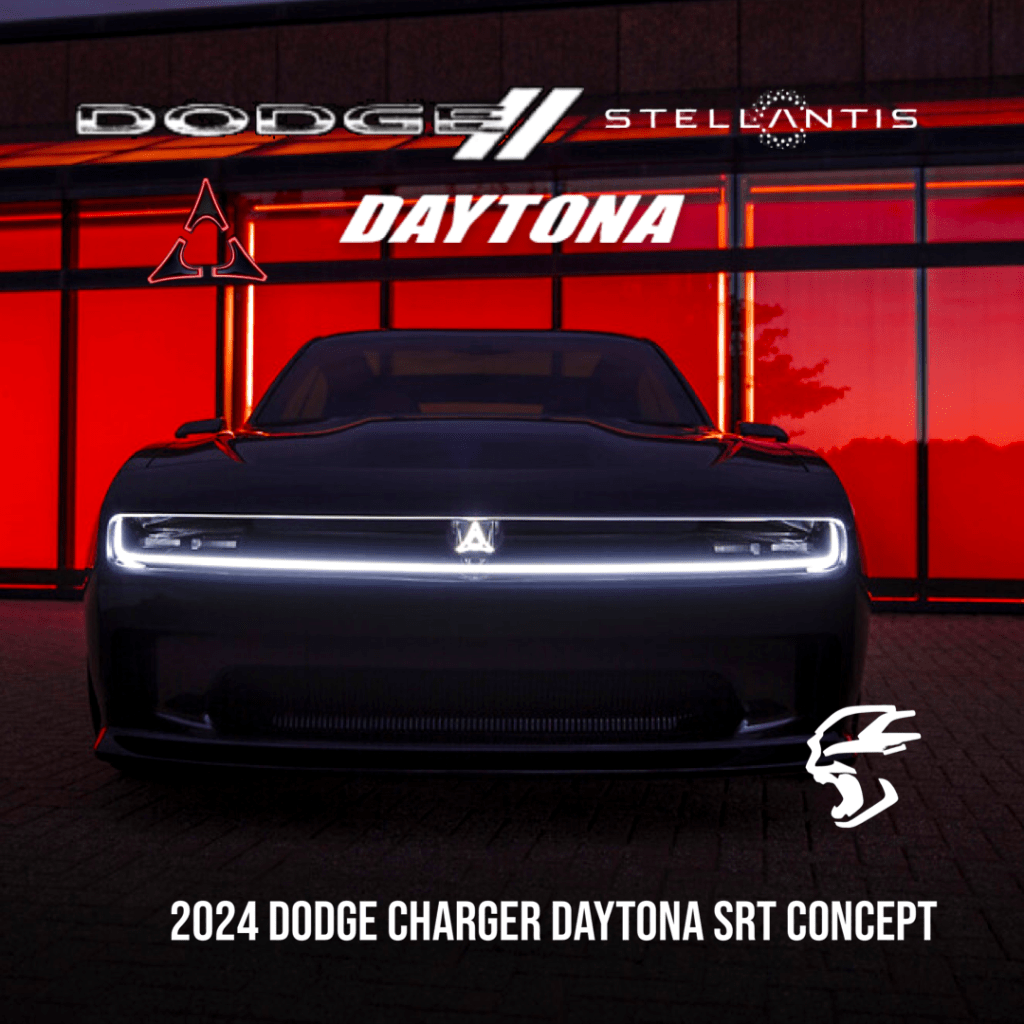
The electric revival adds an intriguing chapter to the ongoing saga of this legendary car.
Other Sources
- How the aerodynamics of the 1969 Dodge Charger Daytona compare to a midern Hellcat
- Insanely Fast Cars of the 1960s and ’70s With Extreme Aerodynamics
- A Look Back At The 1970 Plymouth “Road Runner” Superbird
- Dodge Charger Daytona: 200 mph supercar
- Dodge tapped Chrysler’s missile division for the Daytona and Plymouth
- Ford Torino
- What Made The Ford Torino Talladega Truly Special
- 1 Of 3 Prototypes Ever Made: The 200 MPH Ford Torino King Cobra
- NASCAR’s Age of Aero Wars
Plymouth Superbird - The 1970 Plymouth Superbird: A Marvel of Speed and Innovation
- 1969 Dodge Charger Daytona: The Fastest Car of its Time
- Dodge Daytona vs Dodge Charger
- 1969 Dodge Charger Daytona vs. 1970 Plymouth Superbird


Thanks for sharing! “🏁 Dive into the speed-driven legacy of the Dodge Daytona! From aerodynamic innovations to cinematic fame, this blog post covers it all. 🚗💨 #DodgeDaytona #AutomotiveHistory #RacingLegends #Aerodynamics #NASCAR #ClassicCars #ElectricFuture”


 SIGNAL GROUP
Leave a comment